
Table of Contents
What Is Gum Recession and Why Does It Matter?
If you have noticed in the mirror that your teeth look longer than they used to, or that a yellowish area has appeared along the line where tooth meets gum, what you are most likely looking at is gum recession. Gum recession is the gradual retreat of the gum margin that surrounds the tooth, pulling away in a way that leaves the root surface exposed. The exposed root is not covered by the tough enamel that protects the visible part of the tooth, but by a much softer and more sensitive tissue called cementum; for this reason, recession is not merely a cosmetic issue but a condition that directly concerns the health of the tooth.
The most deceptive aspect of gum recession is that it usually progresses painlessly and silently. Because this retreat, measured in millimetres, unfolds over years, a significant proportion of patients only notice it once sensitivity begins or the appearance of their smile changes. In this guide we walk through the causes of gum recession, its early signs, the treatment options, and what you can do at home to stop it from progressing.
Why Do Gums Recede?
The most common cause is gum inflammation triggered by bacterial plaque and tartar accumulating on the tooth surface. Plaque that is not cleaned away hardens over time into tartar; tartar both creates a rough surface for bacteria to cling to and sets the stage for persistent inflammation along the gum margin. As the inflammation deepens, the connective tissue and jawbone that hold the tooth in place are gradually lost; deprived of its support, the gum recedes as well. This picture is the typical course of the gum disease known as periodontitis.
The second major group of causes is, surprisingly, excessive cleaning effort: using a hard-bristled brush and scrubbing the teeth horizontally with pressure leads, over the years, to mechanical wear in thin gum tissue. In other words, gum recession can be seen both in people who never brush and in those who brush too hard with the wrong technique. In addition, a congenitally thin gum type, teeth that are crowded or positioned outside the bony arch, fillings and crowns with overhanging margins, and lip or tongue piercings are mechanical factors that can accelerate recession.
The third group involves factors affecting the body as a whole. If you unknowingly clench or grind your teeth at night, the excessive load placed on the teeth and surrounding tissues can also strain the gums; we examined this topic in detail in our article on teeth clenching and bruxism. Smoking reduces the blood supply of the gum tissue, which both makes it easier for the disease to progress and can mask its symptoms. Hormonal periods such as pregnancy and menopause, as well as uncontrolled diabetes, can also alter how the gum tissue responds to inflammation.
In summary, the main factors that pave the way for gum recession are:
- Gum disease driven by the build-up of bacterial plaque and tartar
- Hard-bristled brushes and a forceful, incorrect brushing habit
- A congenitally thin gum type and genetic predisposition
- Excessive load from teeth clenching and grinding (bruxism)
- Crowded teeth, ill-fitting filling or crown margins, lip or tongue piercings
- Smoking, hormonal changes and uncontrolled diabetes
What Are the Symptoms of Gum Recession?
The most visible sign is that the teeth appear longer than before. As the gum retreats, the root surface that is normally covered becomes exposed; since the root is more yellow and darker in tone than enamel, a colour transition becomes noticeable at the neck of the tooth. In some patients, notch-like wear at the neck of the tooth that can be felt with a fingernail, black triangular gaps between the teeth that were not there before, and food trapping also accompany the picture.
The second typical symptom is sensitivity: the exposed root surface can produce a short, sharp twinge in response to cold, hot, sweet or sour stimuli. We covered the other possible causes of this complaint and its solutions in detail in our tooth sensitivity guide. Where the recession is inflammation-related, bleeding during brushing, redness and swelling of the gums may be seen; these signs are explored separately in our article on the causes of bleeding gums.
One important caveat: the symptoms do not always occur together. In recession caused by mechanical wear in particular, there may be no bleeding or signs of inflammation; and in smokers, because bleeding is suppressed, the disease can look more innocent than it really is. A definitive assessment is therefore made through a clinical examination in which periodontal pocket depths are measured, supported by X-ray imaging where needed.
Does Gum Recession Heal on Its Own?
The honest answer to this question surprises most patients: receded gum tissue does not grow back to its former level on its own. Once lost, gum tissue does not have the ability to regenerate itself and cover the root surface again. The goals of treatment therefore fall under two headings: halting the progression of the existing recession, and, in suitable cases, surgically replacing the lost tissue.
This fact is not a reason for pessimism but a call to act early: recession caught at an early stage can usually be stopped with simple measures aimed at the cause, and can remain stable at the same level for many years. By contrast, there is no scientific evidence that home remedies frequently recommended on the internet — oil pulling, salt water, garlic or herbal cures — bring receded gums back; losing time with such practices can allow the underlying cause to progress.
How Is Gum Recession Treated?
The treatment plan is tailored to the cause and severity of the recession. The first step is always a detailed periodontal examination: the dentist measures the periodontal pocket depths, records the extent of the recession and, where necessary, evaluates the bone level with X-rays. Since no treatment can deliver a lasting result without eliminating the cause, this stage is the foundation of therapy.
In inflammation-related cases, treatment usually begins with professional cleaning: plaque and tartar are removed from the tooth surfaces and, where required, root planing (curettage) clears the deposits beneath the gum line. You can find out what this procedure involves and what to expect afterwards in our blog post about professional tartar cleaning. In cases caused by mechanical wear, the priority is correcting the brushing technique and switching to a soft-bristled brush; if bruxism is diagnosed, a night guard can reduce the load placed on the teeth.
For patients with sensitivity, the dentist may recommend desensitising toothpastes, apply fluoride varnish in the clinic, or cover the exposed root surface with tooth-coloured filling materials. If structural causes such as ill-fitting restoration margins or crowding are identified, correcting them is added to the plan. For an overview of the approaches used at our clinic, you can visit our gum treatments page.
When Does Gum Graft Surgery Come into Play?
Surgical options are considered in cases where the recession has advanced, the root surface is clearly exposed, or aesthetic and sensitivity complaints are affecting quality of life. The most common procedure is the gum graft: a thin piece of soft tissue, usually taken from the palate, is transferred to the area of recession and secured with fine sutures so that it covers the exposed root surface. There are different techniques, such as the free gingival graft and the connective tissue graft; which one is appropriate is determined by the thickness of the tissue, the type of recession and the anatomy of the area.
The procedure is performed under local anaesthesia; patients do not feel pain during the operation. The mild pain and tenderness that may occur over the following few days are comfortably managed in most patients with the painkillers and care instructions recommended by the dentist. During healing, soft and lukewarm foods are preferred in the first days and the area is kept clean with recommended mouth rinses rather than brushing; the sutures are usually removed within one to two weeks, and the maturation of the tissue is completed over a few weeks.
The success of graft surgery varies according to the type of recession, the character of the tissue, smoking and post-operative care. Not every site of recession is a suitable candidate for grafting; what outcome can be expected in which area only becomes clear through an examination by a dentist experienced in periodontology.
What Can You Do to Prevent Gum Recession?
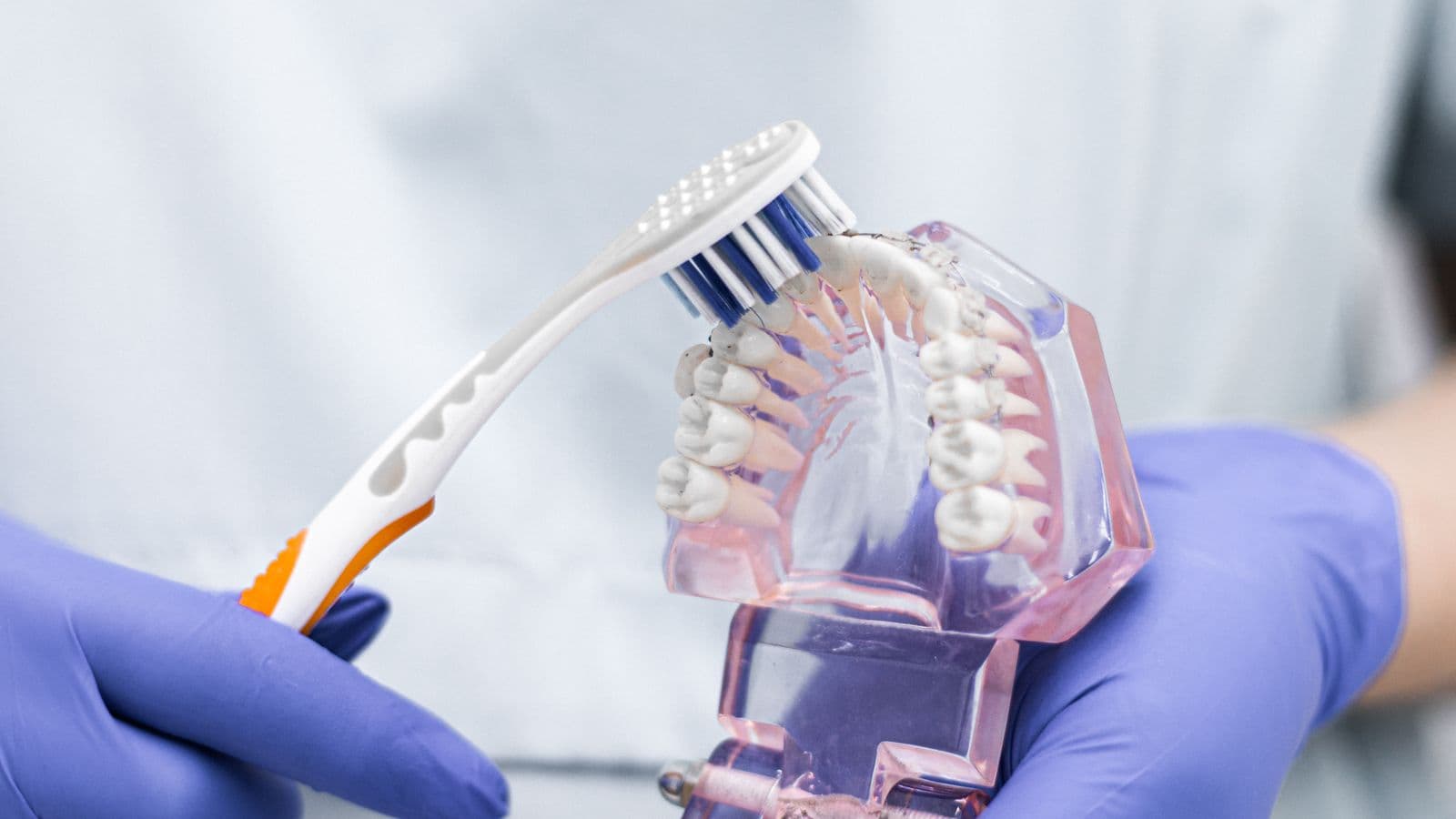
The first rule of prevention is to protect the gums from both plaque and mechanical trauma. The ideal brushing approach is to clean with a soft-bristled brush, sweeping from the gum towards the tooth or using small circular motions, without applying pressure. If the bristles of your brush splay and lose their shape within a few months, that can be a practical sign that you are brushing harder than necessary.
The following habits, combining daily care with regular check-ups, help reduce the risk of gum recession:
- Use a soft-bristled brush; brush with short, gentle strokes without pressing
- Add flossing or an interdental brush to your daily routine; plaque between the teeth cannot be removed by brushing alone
- See your dentist at least once a year and have professional cleanings at the intervals your dentist recommends
- Stay away from smoking; it both accelerates recession and masks its symptoms
- If you wake with jaw fatigue or suspect you clench your teeth, consult your dentist; use a night guard if needed
- Avoid lip and tongue piercings; metal parts rubbing against the gum can cause localised recession
Frequently Asked Questions About Gum Recession
Do receding gums grow back — can gum tissue renew itself? No; lost gum tissue does not regenerate on its own and does not return to its former level. However, the progression of recession can be halted with the right treatment and care, and in suitable cases the root surface can be covered again with graft surgery. Which option is appropriate for you is assessed through a dental examination.
How can gum recession be stopped? The first step is identifying the cause: in inflammation-related cases, professional cleaning and consistent oral care usually stop the progression, while in mechanically driven cases correcting brushing habits does. Accompanying factors such as bruxism, smoking and ill-fitting restorations also need to be addressed.
What helps receding gums at home? The most effective thing you can do at home is not to reverse the recession but to slow its progression: a soft brush, correct technique, daily flossing and a toothpaste recommended by your dentist are the foundations. There is no scientific evidence that oil pulling, garlic or herbal cures restore receded gums; if your complaints persist, it is advisable not to postpone an examination.
Can gum recession lead to tooth loss? Recession that is left untreated and progresses can also be a sign of loss of the bone supporting the tooth; in advanced stages the risk of loosening teeth and tooth loss increases. Recession brought under control at an early stage, on the other hand, can remain stable for years — which is why it is important to have symptoms evaluated early.
What kind of toothbrush and toothpaste should be used with receding gums? The general recommendation is a soft-bristled brush and a low-abrasive fluoride toothpaste; if sensitivity is present, desensitising toothpastes can bring relief. Highly abrasive whitening pastes should be used with caution on exposed root surfaces; the product that suits you is best recommended by your dentist based on your individual situation.
Is gum graft surgery painful, and how long does healing take? Because the procedure is performed under local anaesthesia, no pain is expected during the operation; the mild pain and tenderness that may occur over the following few days can be managed with medication. The sutures are usually removed within one to two weeks and the tissue heals over a few weeks; the exact timeline varies from person to person and with the technique used.

This content was prepared by the dental team of our clinic in Cukurambar, Ankara. Feel free to contact us with any questions about your oral and dental health.
This content is for informational purposes only; a dental examination is required for diagnosis and treatment.
Have questions? We are happy to help.
Related Articles
Dentures (Removable Prosthesis) Guide: Types, Adjustment Period and Care
Who are dentures suitable for, how are they made, and what does the adjustment period look like? The difference between complete and partial dentures, relining a loose denture, daily care rules and implant-supported options in this comprehensive guide.
Orthodontic Treatment in Children: At What Age Are Braces Fitted?
Have you noticed crowding in your child's teeth? The right time for the first orthodontic check-up, the causes of crowding, the benefits of early treatment, appliance types and braces care — all in this comprehensive family guide.
What Is a Dental Bridge? Types, Procedure Steps and Comparison with Implants
Considering a bridge or an implant for your missing teeth? In this comprehensive guide you will find the types of dental bridges, the step-by-step procedure, the finer points of cleaning under a bridge and a comparison with implants.