
Table of Contents
- How Does Healing Progress After a Tooth Extraction?
- What Should You Pay Attention to in the First 24 Hours?
- Eating After a Tooth Extraction: What to Eat and What to Avoid
- How Are Pain and Swelling Managed?
- What Is Dry Socket (Alveolitis) and How Is It Recognised?
- How Should Oral Care Be Done During Healing?
- Which Symptoms Call for Contacting Your Dentist?
- Why Does the Gap Left by the Tooth Matter in the Long Run?
- Frequently Asked Questions About Tooth Extraction Aftercare
How Does Healing Progress After a Tooth Extraction?
A tooth extraction is performed when keeping the tooth in the mouth is no longer possible — because of deep decay, advanced gum disease, a root fracture or wisdom teeth that have no room to erupt. While the procedure itself is comfortable for most patients under local anaesthesia, what truly determines the outcome is how the wound is treated in the days that follow. Following the aftercare rules directly affects how well bleeding is controlled, how mild the pain remains and how smoothly the wound closes.
The first and most critical step of healing is the blood clot that forms in the extraction socket. This clot works like a natural plaster covering the empty tooth socket against bacteria and food debris; the formation of new tissue and bone underneath begins thanks to this protection. Almost all of the aftercare rules are built around one goal: not dislodging this clot. In most patients the soft tissue largely closes within one to two weeks, while filling of the socket with bone can take several months.
How fast the process moves depends on the position of the extracted tooth, on whether the procedure was simple or surgical, on age and on general health. Healing after the surgical removal of an impacted tooth naturally takes longer than after the simple extraction of a single-rooted tooth; you can find the scope of such procedures on our oral surgery services page. The process specific to wisdom teeth and its possible challenges are explained in detail in our article on wisdom teeth.
What Should You Pay Attention to in the First 24 Hours?
The first 24 hours are the period in which the clot attaches and the direction of healing is set. The sterile gauze pad your dentist places over the socket should be held in place by biting down firmly for about half an hour; this pressure allows the bleeding to stop. After the gauze is removed, slight oozing and a pinkish tinge in the saliva are normal; heavy bleeding that does not stop, however, should be reported to your dentist.
The most common mistake in this period is rinsing the mouth and spitting frequently. The pressure changes created inside the mouth while rinsing, spitting or drinking through a straw can tear away the clot before it has attached. For the same reason the extraction site should not be touched with the tongue or fingers, and should not be probed out of curiosity. Smoking is one of the best-known enemies of healing, both because of the sucking motion and because its substances constrict blood vessels and impair tissue nutrition; not smoking for at least 48 hours — ideally until healing is complete — is recommended. Alcohol should also be avoided in the first days, as it can interfere with clot formation and with the medication you are taking.
The key rules for the first day can be summarised as follows:
- Bite firmly on the gauze pad for about 30 minutes; do not keep replacing it with a new one
- For the first 24 hours do not rinse, do not spit and do not use a straw
- Delay eating and drinking until the anaesthesia wears off (2-3 hours); take care not to bite your cheek or lip
- Stay away from cigarettes and alcohol for at least 48 hours
- Avoid heavy exercise, sport and hot baths on the first day; rest with your head slightly elevated
- Do not touch the extraction site with your tongue, fingers or any object
Eating After a Tooth Extraction: What to Eat and What to Avoid
You may start eating once the anaesthesia has worn off; in the first days, however, your choice of food directly affects healing. In the first 24 hours, lukewarm or room-temperature soft foods that require no chewing are ideal: yoghurt, soup (as long as it is not hot), purées, puddings, eggs and soft fruit such as bananas are among the most comfortable choices of this period. Chewing on the side opposite the extraction as much as possible reduces the amount of food reaching the wound.
Hot foods and drinks are particularly risky on the first day; heat widens the blood vessels and can restart the bleeding. Grainy, crumbly and hard foods (seeds, nuts, crisps, crusty bread) can lodge in the socket and set the stage for infection; acidic and fizzy drinks as well as heavily spiced dishes can also irritate the wound. Within a few days, as the discomfort subsides, you can gradually return to your normal diet.
A practical summary for the first days:
- Choose: yoghurt, lukewarm soup, mashed potatoes, pudding, eggs, ripe banana, avocado
- Avoid: hot drinks, grainy and crumbly foods, hard-shelled products, crisps
- Avoid: acidic and fizzy drinks, heavily spiced and very salty dishes
- Drink plenty of water in small sips, without using a straw
- Try to chew on the side opposite the extraction site
How Are Pain and Swelling Managed?
Feeling pain and tenderness at the extraction site once the anaesthesia wears off is expected. After simple extractions this complaint subsides noticeably within one to three days in most patients; after surgical extractions and wisdom tooth operations it is normal for pain and swelling to last a few days longer. Taking the pain reliever recommended by your dentist at the prescribed dose and intervals is usually sufficient; a first dose taken before the anaesthesia wears off generally makes the process more comfortable.
One important detail: avoid aspirin and medication with blood-thinning effects without consulting your dentist, as these can increase the tendency to bleed. If you take regular medication (for example blood thinners, blood pressure or diabetes medication), make sure to share this with your dentist before the extraction.
Swelling, especially after surgical extractions, peaks on the second and third days and then begins to recede. In the first 24 hours, applying cold intermittently to the outside of the cheek with ice wrapped in a cloth (about 10-15 minutes on, an equal break off) helps ease both swelling and pain. The ice should not touch the skin directly, and it should be kept in mind that cold application loses its benefit after the first day. Keeping the head slightly elevated while sleeping can also reduce blood pooling in the area and ease the throbbing sensation.
What Is Dry Socket (Alveolitis) and How Is It Recognised?
Dry socket — alveolitis in dental terminology — is a healing complication that occurs when the blood clot in the socket is lost early or never forms, leaving the bone exposed. Once the clot's protection is gone, the bone surface comes into direct contact with air, food debris and bacteria; this typically leads to pain that starts two to four days after the extraction and grows steadily worse.
The most important feature that distinguishes dry socket from ordinary post-extraction pain is its timing: in a normal course the pain decreases from the first day onwards, whereas in dry socket it seems to ease at first and then increases markedly. The pain often radiates to the ear, the temple or the area around the eye; a bad taste and odour in the mouth may accompany it. Looking in the mirror, you may notice that the socket appears empty and greyish-white instead of holding a dark clot. Smoking, rinsing the mouth early and often, using a straw and hormonal medication such as birth control pills are among the factors known to increase the risk.
Dry socket is not a condition to ride out at home with painkillers; it takes a long time to resolve on its own and that time is very painful. If such a picture develops, you should see your dentist without delay. At the clinic the area is gently irrigated and, if necessary, special medicated dressings are placed; in most patients this intervention brings marked relief within a short time.
How Should Oral Care Be Done During Healing?
Neglecting oral hygiene after an extraction hinders healing — and so does overdoing it. In the first 24 hours the extraction site should be left completely alone; the mouth should not be rinsed and the area should not be brushed. The other teeth, however, can be brushed gently from the first day onwards; keeping the overall bacterial load in the mouth low works in the wound's favour.
From the second day onwards, gentle rinses can be started according to your dentist's advice. A frequently recommended method is a solution of a teaspoon of salt in a glass of lukewarm water — moved gently around the mouth and allowed to flow out on its own rather than swished; fast, forceful rinsing is still risky in the first days. Your dentist may also recommend an antiseptic mouthwash if needed; such products should only be used for the advised duration and frequency.
In the following days, the teeth next to the extraction site can also be cleaned carefully with a soft-bristled brush. In surgical extractions with sutures, the stitches may dissolve on their own or are usually removed by the dentist within one week to ten days; attending the follow-up appointment matters, as it allows the dentist to assess whether the wound is healing at the expected pace. How regular care habits can reduce tooth loss in the long run is covered in our article on the link between oral health and general health.
Which Symptoms Call for Contacting Your Dentist?
In the first days after an extraction, mild pain, slight swelling, a pinkish tinge in the saliva and tightness around the jaw are expected findings. Some symptoms, however, signal that the process has left its expected course and should be reported to your dentist. Speaking up early allows a potential problem to be solved with a simple intervention, whereas waiting can make the picture worse. When the reason for the extraction was an infected tooth, monitoring the symptoms is particularly important; we covered this subject in detail in our guide on the symptoms and treatment of dental abscess.
Contacting your clinic is recommended in the following situations:
- Bleeding that does not stop despite pressure and lasts longer than a few hours
- Pain that intensifies instead of easing on days two to four, radiating to the ear or temple
- Swelling that increases after the third day, facial redness or growing difficulty opening the mouth
- Fever above 38°C, fatigue or swollen lymph nodes in the neck
- A persistent bad taste and odour in the mouth
- Difficulty swallowing or breathing (seek care without delay)
Why Does the Gap Left by the Tooth Matter in the Long Run?
Assuming the process is over once the wound has healed is a common misconception. Unless the extracted tooth was a wisdom tooth, the remaining gap begins to affect the surrounding teeth over time: neighbouring teeth may tilt into the space, the opposing tooth in the other jaw may over-erupt and the balance of chewing may be disturbed. In addition, the jawbone gradually loses volume in areas that no longer carry a tooth, which can also affect the planning of future treatment.
For this reason, the follow-up appointment is the right moment to discuss with your dentist how the gap should be managed. Depending on the jaw structure and the condition of the neighbouring teeth, implant treatment or prosthetic solutions covering bridges and removable options can be considered to replace the missing tooth. Which option is suitable is determined individually through a clinical examination, assessing bone volume, gum health and general health together. Early planning both prevents the neighbouring teeth from drifting and offers a wider range of options before bone loss progresses.
Frequently Asked Questions About Tooth Extraction Aftercare
How long does pain last after a tooth extraction? After simple extractions, pain is at its most intense in the first 24 hours for most patients and subsides noticeably within one to three days. After surgical extractions and impacted wisdom tooth operations, mild aching can last up to a week. Pain that increases rather than decreases after the second day should be reported to your dentist because of the possibility of dry socket.
When and what can I eat after a tooth extraction? You can start eating once the anaesthesia has worn off, usually within two to three hours. On the first day choose lukewarm or cold, soft foods that require no chewing, and avoid hot, hard, grainy and acidic foods. You can gradually return to your normal diet within a few days.
What happens if the clot comes out of the socket? Early loss of the clot can leave the bone exposed and lead to the painful condition called dry socket. If pain intensifies a few days after the extraction, radiates to the ear and is accompanied by a bad taste in the mouth, you should contact the clinic; with gentle cleaning of the area and a medicated dressing, the complaints ease within a short time in most patients.
When can I smoke after a tooth extraction? Not smoking for at least 48 hours is recommended; ideally you should wait until the soft tissue has largely closed. Smoking can dislodge the clot through the sucking motion and also slows healing by impairing tissue nutrition, markedly increasing the risk of dry socket.
How long does the socket take to close? In most patients the soft tissue largely closes within one to two weeks, while filling of the socket with bone can take several months. The timeline varies with the tooth's position, the scope of the procedure, age and general health, and the individual course can only be assessed through a clinical examination.
When can I brush my teeth and rinse my mouth after an extraction? The teeth outside the extraction area can be brushed gently from the first day; the extraction site itself should be left completely alone for the first 24 hours. The mouth must not be rinsed at all on the first day; from the second day, on your dentist's advice, lukewarm salt water can be moved gently around the mouth and allowed to flow out.

This content was prepared by the dental team of our clinic in Cukurambar, Ankara. Feel free to contact us with any questions about your oral and dental health.
This content is for informational purposes only; a dental examination is required for diagnosis and treatment.
Have questions? We are happy to help.
Related Articles
Dentures (Removable Prosthesis) Guide: Types, Adjustment Period and Care
Who are dentures suitable for, how are they made, and what does the adjustment period look like? The difference between complete and partial dentures, relining a loose denture, daily care rules and implant-supported options in this comprehensive guide.
Orthodontic Treatment in Children: At What Age Are Braces Fitted?
Have you noticed crowding in your child's teeth? The right time for the first orthodontic check-up, the causes of crowding, the benefits of early treatment, appliance types and braces care — all in this comprehensive family guide.
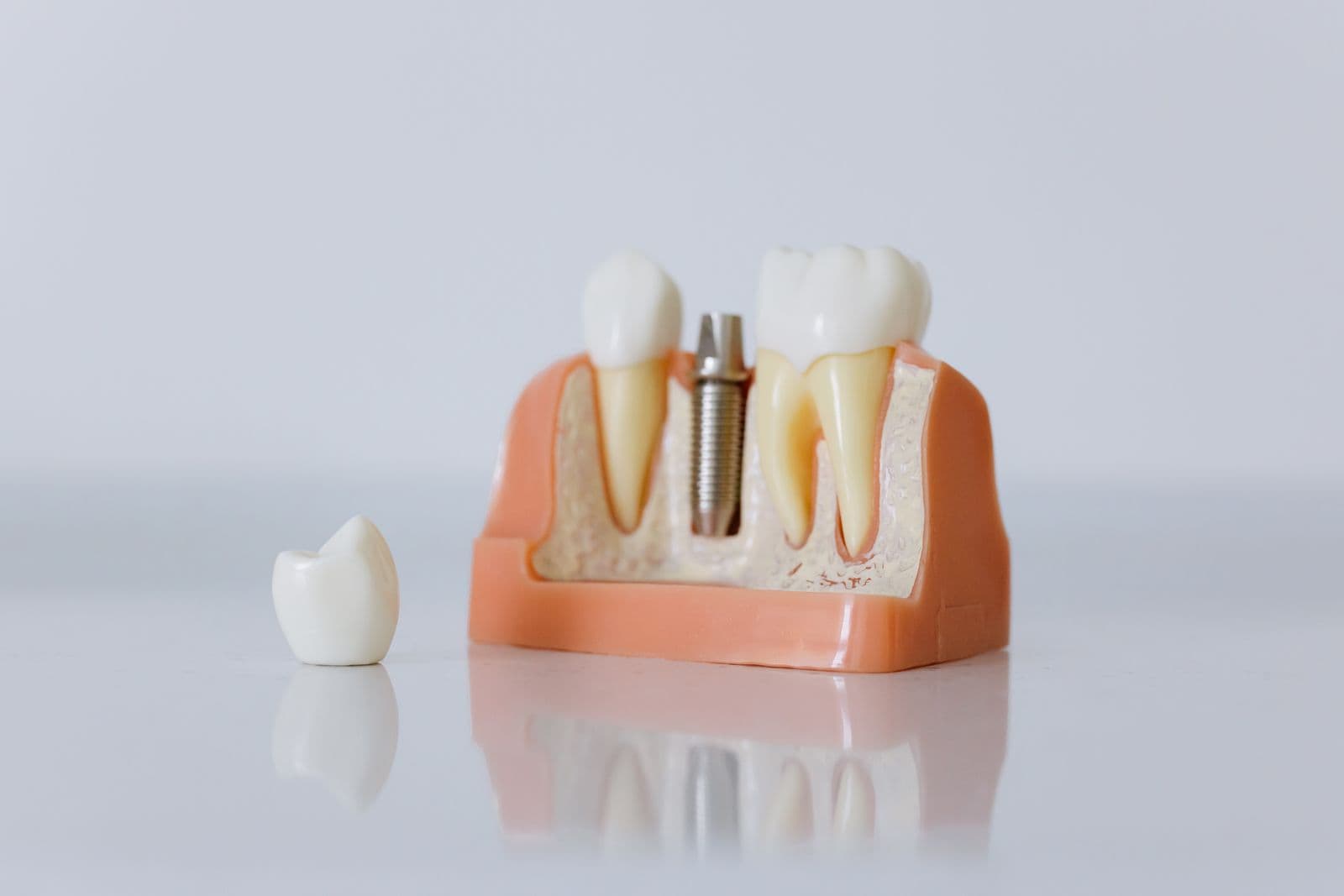
What Is a Dental Bridge? Types, Procedure Steps and Comparison with Implants
Considering a bridge or an implant for your missing teeth? In this comprehensive guide you will find the types of dental bridges, the step-by-step procedure, the finer points of cleaning under a bridge and a comparison with implants.