
Table of Contents
- What Is a Dental Abscess?
- What Causes a Dental Abscess?
- What Are the Symptoms of a Dental Abscess?
- How Is a Dental Abscess Treated?
- What Risks Can an Untreated Dental Abscess Lead To?
- What Should You Do at Home Until You Can See a Dentist?
- How Can You Prevent a Dental Abscess?
- Frequently Asked Questions About Dental Abscesses
What Is a Dental Abscess?
A sudden throbbing toothache, swelling in the cheek and a persistent bad taste in the mouth... Behind these complaints there is very often a dental abscess. A dental abscess is a collection of pus that forms as a result of a bacterial infection in the nerve tissue inside the tooth, at the tip of the root, or in the tissues surrounding the gum. As the body tries to contain the infection, a pus-filled pocket builds up pressure in the area; this pressure is the main reason for the characteristic throbbing pain of an abscess.
Dental abscesses are classified into three main groups according to their origin. A periapical abscess is the most common type and usually develops at the tip of the root when deep decay reaches the nerve tissue of the tooth. A periodontal abscess forms in the deepened pockets between the tooth and the gum as a result of gum disease. A pericoronal abscess occurs in the tissues around teeth that have not fully erupted and remain partly covered by the gum, most typically wisdom teeth. Although their origins differ, the problem is the same in all three types: an active infection that needs to be brought under control.
The most important fact to know at this point is this: a dental abscess is not a condition that heals on its own. Temporary relief of the pain, or a reduction in complaints after the abscess drains, does not mean the infection has resolved. As long as it is left untreated, the source of the infection remains in place and can continue to progress.
What Causes a Dental Abscess?
For an abscess to form, bacteria must reach the inner tissue of the tooth or the area beneath the gum line. In clinical practice, the main conditions that pave the way for an abscess are the following:
- Deep decay: Untreated decay first passes through the enamel, then the dentine, and finally reaches the nerve and blood vessel bundle of the tooth (the pulp). Once bacteria reach the pulp, the tissue can become inflamed over time and an abscess can develop at the root tip.
- Cracked or fractured teeth: Cracks caused by trauma, biting on hard objects or severe teeth grinding can allow bacteria to leak into the tooth, even when the crack is too fine to be seen with the naked eye.
- Gum disease: In advanced gum inflammation, the pockets that deepen between the tooth and the gum create a favourable environment for bacteria to accumulate and set the stage for a periodontal abscess.
- Impacted and partially erupted teeth: The gum flap covering partially erupted wisdom teeth in particular creates an area that is difficult to clean; bacteria accumulating there can cause a pericoronal abscess.
- Worn fillings and restorations: Old fillings with open margins or crowns that no longer fit properly can allow bacteria to seep into the tooth.
In addition, poor oral hygiene, frequent consumption of sugary and acidic foods, dry mouth, smoking and systemic conditions that affect the immune system, such as poorly controlled diabetes, can increase the risk of developing an abscess.
What Are the Symptoms of a Dental Abscess?
The symptoms of a dental abscess can vary from person to person depending on the type and size of the abscess and how far the infection has spread. The most common symptoms are:
- A throbbing toothache that starts on its own and may radiate to the jaw, ear or neck
- Pain that becomes more pronounced when biting or chewing, or a feeling that the tooth is higher than the others
- Prolonged sensitivity to hot and cold
- Redness or swelling of the gum, or a pimple-like bump near the root of the tooth (a fistula) that occasionally releases a bitter, salty fluid into the mouth
- A persistent bad taste and bad breath
- Swelling of the cheek, lip or face
- Tenderness and enlargement of the lymph nodes under the jaw or in the neck
- Fever, fatigue and a general feeling of being unwell
If the symptoms include difficulty swallowing or breathing, marked restriction in opening the mouth, swelling spreading towards the eye or down the neck, or a high fever, the situation has become urgent; in that case, seek care at a healthcare facility without delay.
How Is a Dental Abscess Treated?
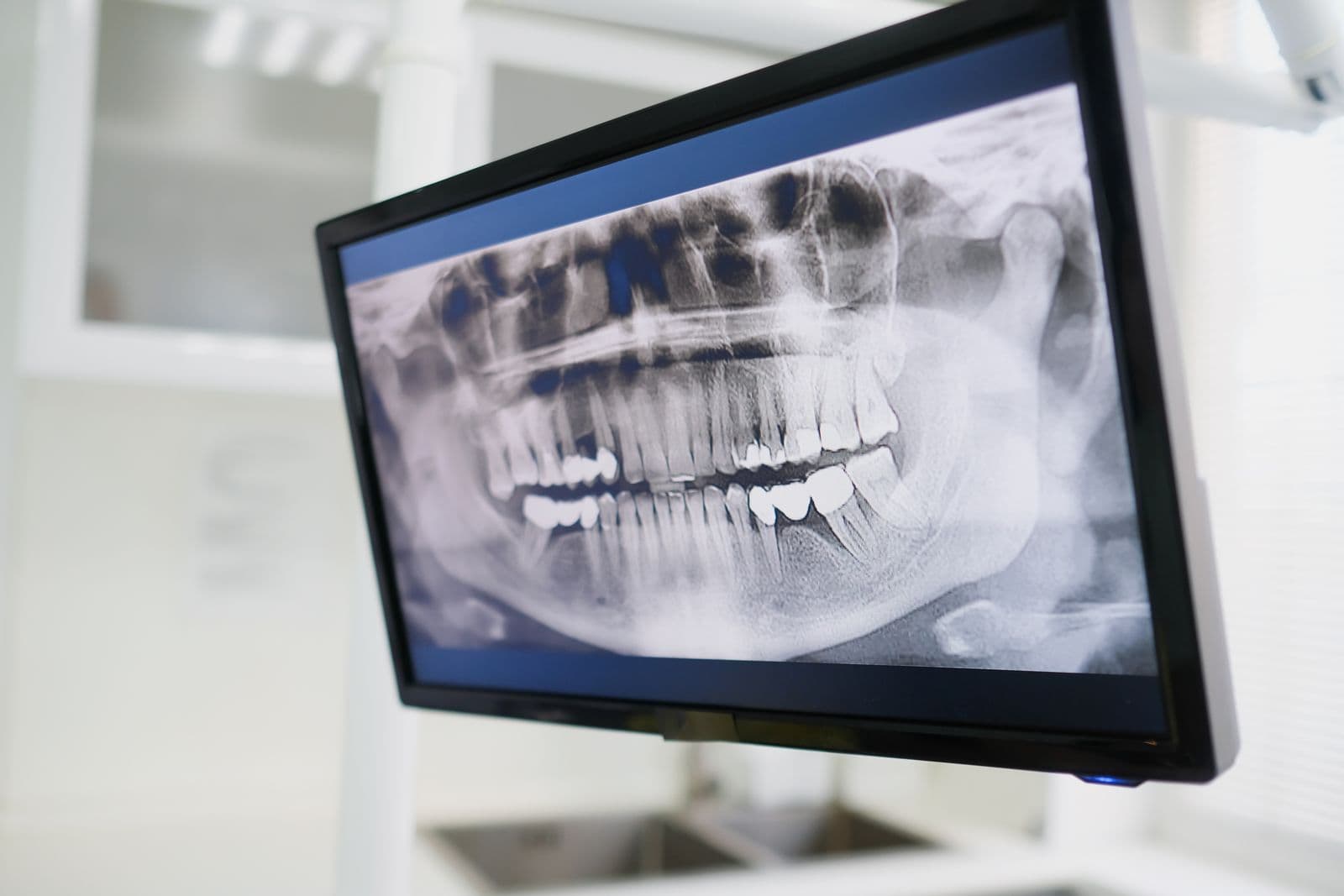
Treatment of a dental abscess always rests on two basic goals: bringing the infection under control by draining the accumulated pus, and eliminating the source that caused the abscess. The treatment plan is therefore tailored to the individual after a clinical examination and X-ray imaging have identified the origin, size and spread of the abscess.
In the first stage, the dentist drains the abscess if necessary, allowing the accumulated pus to empty in a controlled way. Drainage reduces the pressure in the area and helps the pain ease quickly. However, drainage on its own is not a treatment; it is only the first step.
If the source of the abscess is the nerve tissue of the tooth and the tooth can be saved, root canal treatment is usually performed. In this procedure the infected nerve tissue is removed, the root canals are disinfected and then sealed; in this way the tooth can be kept in the mouth without being extracted. Although there are many misconceptions about root canals, with modern techniques this treatment can be completed comfortably for most patients; our article on common myths about root canal treatment may be helpful for those who want to learn more.
If the tooth has been damaged beyond repair by decay or fracture, extraction may become necessary; how to replace the resulting gap is then planned together with the dentist. If the source of the abscess is a gum pocket, cleaning the pocket and restoring gum health become the focus of treatment.
The role of antibiotics in abscess treatment is often misunderstood. Antibiotics may be added to the treatment by the dentist when the infection has spread to the surrounding tissues or there is a risk that it will; however, they do not eliminate the abscess on their own. As long as the pus is not drained and the source of the infection is not treated, complaints tend to recur. For this reason, taking antibiotics without a dentist's recommendation does not solve the problem and can contribute to issues linked to unnecessary antibiotic use.
What Risks Can an Untreated Dental Abscess Lead To?
An untreated dental abscess is not just a painful waiting period; it is a progressing infection. Over time the infection can damage the jawbone around the root, affect neighbouring teeth and lead to the loss of a tooth that could initially have been saved.
More rarely, the infection can spread to the soft tissues of the face and neck or to other parts of the body; these situations can be accompanied by fever, severe swelling and general deterioration, and they require urgent medical attention. You can read in detail how an infection in the mouth can affect the whole body in our article on the link between oral health and overall health.
When an abscess bursts on its own, the sudden decrease in pain is one of the most misleading moments of the process. The relief that comes from the drop in pressure is temporary; as long as the source of the infection remains, the abscess can fill up again. So even if the complaints ease, the examination should not be postponed.
What Should You Do at Home Until You Can See a Dentist?
The following suggestions are not a substitute for treatment; their purpose is to keep you comfortable until your dental appointment:
- Rinse with warm salt water: Rinsing a few times a day with a teaspoon of salt dissolved in a glass of warm water can help keep the area clean and provide temporary relief.
- Use painkillers sensibly: A painkiller that your physician has previously found suitable for you may provide temporary relief; however, applying medication directly onto the gum or the tooth can damage the tissues.
- Do not try to squeeze or pop the abscess: Such attempts can increase the risk of the infection spreading into deeper tissues.
- Do not apply external heat to the cheek: A hot compress applied from the outside can make it easier for the infection to move towards the facial tissues; ask your dentist for advice about swelling.
- Avoid very hot, very cold and hard foods: Try to chew on the pain-free side as much as possible.
- Keep up your oral hygiene: Continuing to brush the painful area gently helps reduce the bacterial load.
How Can You Prevent a Dental Abscess?
Most dental abscesses are the result of advanced decay and gum disease; the way to prevent them is therefore to catch these two problems at an early stage. The main precautions you can take in daily life are:
- Brush your teeth twice a day with a fluoride toothpaste and clean between your teeth every day with dental floss or an interdental brush.
- Visit your dentist for regular check-ups even if you have no complaints, and have dental scaling done as often as your dentist recommends to reduce bacterial build-up.
- Have early-stage cavities treated without delay; a small filling can prevent a process that might later require root canal treatment or extraction.
- If you notice bleeding, redness or recession of your gums, see your dentist for an assessment regarding gum disease treatments.
- Limit sugary and acidic foods and drinks, and drink enough water during the day.
- If you have a habit of clenching or grinding your teeth, share this with your dentist; preventive approaches can be planned to reduce the risk of abscesses caused by cracks.
Frequently Asked Questions About Dental Abscesses
In this section we briefly answer the questions we hear most often about dental abscesses. A definitive assessment of your personal situation can only be made through an examination by a dentist.
Does a dental abscess go away on its own? No; a dental abscess does not heal by itself. The pain may ease from time to time or even disappear completely, but as long as the source of the infection is not treated, it remains in place and can continue to progress. Even if the complaints subside, the examination should not be skipped.
What happens if a dental abscess bursts? When an abscess bursts, a salty, bitter fluid enters the mouth and the pain usually decreases as the pressure drops. This relief is misleading; because the infection continues, the abscess can fill up again. After it bursts, rinse the mouth with warm salt water and see a dentist as soon as possible.
Do antibiotics completely cure a dental abscess? No; antibiotics only help bring the spread of the infection under control. As long as the source of the abscess is not treated, the complaints can recur. Antibiotics should only be used on a physician's recommendation and for the recommended duration.
Can a tooth with an abscess be extracted? The primary goal is always to save the tooth; in suitable cases, abscessed teeth can be treated with root canal therapy. When the tooth cannot be saved, extraction may be performed; the timing of the extraction and whether additional precautions are needed beforehand are assessed by the dentist based on the state of the infection.
What helps a dental abscess at home? Warm salt water rinses and painkillers suited to a physician's advice can provide temporary relief until your appointment. However, no home remedy eliminates the infection; herbal mixtures or attempts to pop the abscess can make the situation worse.
How long does dental abscess treatment take? The duration depends on the origin and size of the abscess and the treatment to be applied. After drainage, complaints usually ease within a few days; definitive treatments such as root canal therapy can be completed in one or several visits depending on the condition of the tooth. A clear plan can be made after an examination and X-ray imaging.

This content was prepared by the dental team of our clinic in Cukurambar, Ankara. Feel free to contact us with any questions about your oral and dental health.
This content is for informational purposes only; a dental examination is required for diagnosis and treatment.
Have questions? We are happy to help.
Related Articles
Dentures (Removable Prosthesis) Guide: Types, Adjustment Period and Care
Who are dentures suitable for, how are they made, and what does the adjustment period look like? The difference between complete and partial dentures, relining a loose denture, daily care rules and implant-supported options in this comprehensive guide.
Orthodontic Treatment in Children: At What Age Are Braces Fitted?
Have you noticed crowding in your child's teeth? The right time for the first orthodontic check-up, the causes of crowding, the benefits of early treatment, appliance types and braces care — all in this comprehensive family guide.
What Is a Dental Bridge? Types, Procedure Steps and Comparison with Implants
Considering a bridge or an implant for your missing teeth? In this comprehensive guide you will find the types of dental bridges, the step-by-step procedure, the finer points of cleaning under a bridge and a comparison with implants.