
Table of Contents
What Is Tooth Sensitivity and How Does It Feel?
If you feel a sudden, sharp, short-lived twinge in your teeth while drinking cold water, eating ice cream, or biting into something sweet, you are not alone. Tooth sensitivity, also commonly known as tooth tingling or dentin hypersensitivity, is a widespread complaint that can occur at any age and can noticeably affect the comfort of daily life. Sometimes it appears only with cold drinks, sometimes while brushing your teeth, and even when breathing in cold air. The good news is that in most cases, tooth sensitivity is a problem whose cause can be identified and which can be brought under control with the right approach.
To understand how sensitivity arises, it helps to take a brief look at the structure of the tooth. The enamel layer covering the visible part of the tooth is the hardest tissue in the body, and it protects the underlying dentin layer from external factors. Within the dentin, there are thousands of microscopic channels extending toward the nerve tissue of the tooth. When enamel wears down, or when the gums recede and expose the root surface, these channels come into direct contact with the oral environment; stimuli such as cold, heat, sweetness, acidity, or brushing are transmitted all the way to the nerve, producing that familiar sharp twinge.
The most distinctive feature that sets tooth sensitivity apart from other kinds of tooth pain is that the twinge is triggered by a stimulus and usually subsides within seconds. Pain that starts on its own, throbs, wakes you from sleep at night, or lasts for minutes may be a sign of a different problem, such as an advanced cavity or an infection. Making this distinction correctly is important for planning the right treatment.
What Causes Tooth Sensitivity?
There may be a single cause behind the sensitivity, or several factors may be present at the same time. The causes most frequently encountered at the clinic are the following:
- Enamel erosion: Frequent consumption of acidic foods and drinks, hard brushing with excessive pressure, abrasive toothpastes, and conditions such as reflux that carry stomach acid into the mouth gradually thin the enamel layer over time.
- Gum recession: Gum disease, tartar buildup, and incorrect brushing habits can lead to gum recession. As the gums recede, the root surface, which is not covered by enamel, becomes exposed, and this area is left vulnerable to stimuli.
- Cavities, cracks, and worn fillings: Early-stage cavities, fine cracks in the tooth, and old fillings with worn edges can allow the dentin to come into contact with the external environment, causing sensitivity.
- Temporary sensitivity after whitening: A mild sensitivity that may last a few days can occur after teeth whitening procedures. When performed under a dentist's supervision, this usually subsides on its own within a short time and can be managed with the necessary precautions.
- Teeth clenching and grinding (bruxism): Clenching your teeth without realizing it, especially at night, can lead to micro-cracks and wear in the enamel, making the teeth more responsive to stimuli.
Which of these causes applies in your case can only be clarified through a clinical examination and, if deemed necessary, a radiological evaluation. Solutions that do not address the cause usually provide only temporary relief; for a lasting result, the source of the problem needs to be identified.
What Should You Pay Attention to at Home?
Mild sensitivity can be significantly reduced with a few adjustments to your daily habits. The basic precautions you can take at home are the following:
- Use a toothpaste formulated for sensitive teeth: The ingredients in these toothpastes help reduce the transmission of stimuli through the dentin channels. For the effect to be felt, the toothpaste needs to be used regularly for several weeks.
- Review your brushing technique: Brush with a soft-bristled brush, without pressing hard, using small circular motions. Hard, horizontal brushing both wears down the enamel and can accelerate gum recession.
- Limit acidic foods and drinks: Citrus fruits, carbonated drinks, fruit juices, and foods containing vinegar temporarily soften the enamel surface. After consuming such foods, rinse your mouth with water and wait at least half an hour before brushing your teeth.
- Avoid whitening products not recommended by a dentist: Products whose contents and usage are not properly controlled can damage the enamel and increase sensitivity.
- Take care not to consume very hot and very cold foods one right after the other: Sudden temperature changes can trigger the twinge in sensitive teeth.
These precautions can ease your complaints; however, they do not eliminate the underlying cause of the sensitivity. If the twinge does not subside within a few weeks despite these adjustments, an examination should not be postponed in order to identify the source of the problem.
When Should You See a Dentist?
A mild tingle felt from time to time does not usually indicate an urgent problem. That said, in the following situations, it is recommended that you see a dentist without delay:
- If the sensitivity has persisted for several weeks and is not improving with home care
- If the twinge is concentrated in a single tooth and is gradually getting worse
- If the pain starts on its own without a stimulus or lasts for a long time
- If you feel pain while biting or chewing
- If the sensitivity is accompanied by gum recession, redness, swelling, or bleeding
- If sensitivity after a filling or whitening lasts longer than expected
These symptoms may signal a problem that goes beyond simple sensitivity and requires treatment, such as a cavity, a crack, or gum disease. During the examination, your dentist evaluates which teeth are affected and which stimuli trigger the complaint; if deemed necessary, X-rays are used to investigate cavities, cracks, or problems beneath fillings. The source of the complaint and the course to follow can only be determined through a dentist's examination; seeking care early most often results in a simpler and more comfortable treatment.
What Treatment Options Are Available at the Clinic?
The treatment of tooth sensitivity is not one-size-fits-all; which method will be applied is planned according to the cause identified during the examination. The approaches frequently used at the clinic are the following:
- Fluoride application: Professional fluoride varnishes and gels strengthen the enamel surface and help reduce the transmission of stimuli. The application takes only a short time and can be repeated at intervals your dentist deems appropriate.
- Bonding agents and desensitizing varnishes: Applied to the exposed dentin surface, these materials seal the openings of the channels and help reduce the twinge.
- Fillings: In areas with cavities, cracks, or loss of tooth structure, the tooth surface is re-covered with a filling, cutting off the dentin's contact with the external environment.
- Gum treatments: If the sensitivity is caused by gum recession, gum treatment targeting the cause of the recession is planned.
- Night guard: In cases of wear related to bruxism, a custom night guard can be made to protect the teeth from clenching forces.
- Root canal treatment: If the source of the twinge is a problem that has reached the nerve tissue of the tooth, root canal treatment may be needed to keep the tooth in the mouth.
Which option is appropriate varies from person to person, depending on the severity of the sensitivity, how many teeth are affected, and the underlying cause. For this reason, the treatment plan is finalized only after an examination; in some cases, a combination of several methods may be needed.
How Can Tooth Sensitivity Be Prevented?
Preventing sensitivity from recurring is just as important as relieving it. Since the enamel layer cannot regenerate itself, protecting it is of great importance in the long run. In daily life, the following habits help protect your teeth against sensitivity:
- Brush your teeth twice a day with a fluoride toothpaste and the correct technique; clean between your teeth with dental floss.
- Try not to consume acidic and sugary foods frequently between meals; increase your water intake throughout the day.
- If you suspect you clench your teeth, share this with your dentist; precautions taken at an early stage help limit the wear.
- Have aesthetic procedures such as whitening performed only under a dentist's supervision.
- Keep up with your regular check-up appointments; to prevent tartar buildup, have professional cleanings at intervals your dentist deems appropriate. You can find more details on this topic in our article on dental scaling.
Although tooth sensitivity can make daily life more difficult, it is a problem that can usually be brought under control once its cause is correctly identified. When a glass of cold water or a slice of fruit starts to make you hesitate, consulting a dentist instead of putting off your complaint is valuable both for regaining your comfort and for catching potential problems at an early stage. At our clinic in Cukurambar, Ankara, tooth sensitivity complaints are evaluated with a comprehensive examination, and treatment is planned individually for each patient.

This content was prepared by the dental team of our clinic in Cukurambar, Ankara. Feel free to contact us with any questions about your oral and dental health.
This content is for informational purposes only; a dental examination is required for diagnosis and treatment.
Have questions? We are happy to help.
Related Articles
Dentures (Removable Prosthesis) Guide: Types, Adjustment Period and Care
Who are dentures suitable for, how are they made, and what does the adjustment period look like? The difference between complete and partial dentures, relining a loose denture, daily care rules and implant-supported options in this comprehensive guide.
Orthodontic Treatment in Children: At What Age Are Braces Fitted?
Have you noticed crowding in your child's teeth? The right time for the first orthodontic check-up, the causes of crowding, the benefits of early treatment, appliance types and braces care — all in this comprehensive family guide.
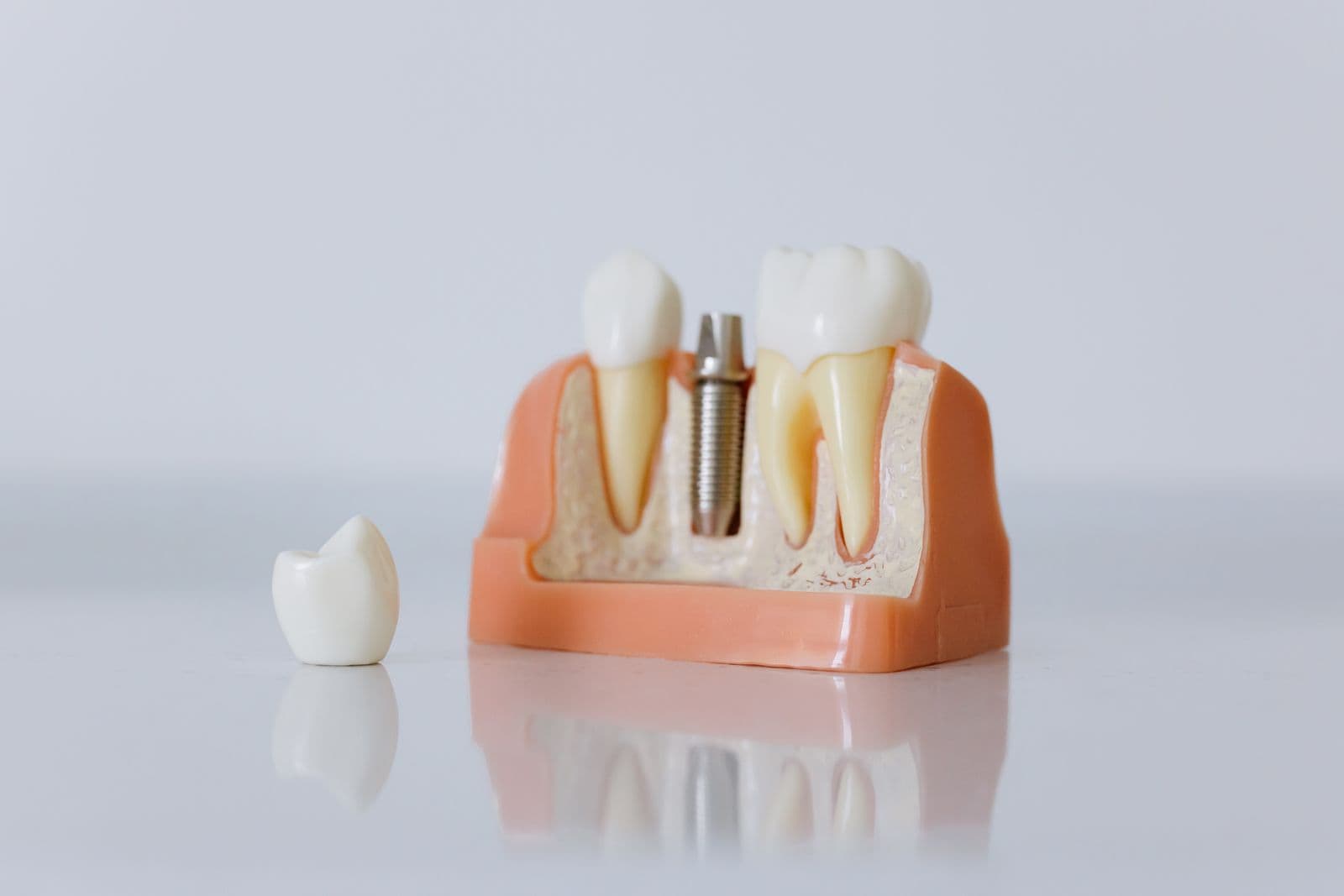
What Is a Dental Bridge? Types, Procedure Steps and Comparison with Implants
Considering a bridge or an implant for your missing teeth? In this comprehensive guide you will find the types of dental bridges, the step-by-step procedure, the finer points of cleaning under a bridge and a comparison with implants.