

Table of Contents
- What Is Tartar and How Does It Form?
- What Problems Does Tartar Cause?
- How Is Dental Scaling Performed?
- Are Scaling and Teeth Whitening the Same Thing?
- Does Scaling Hurt or Damage the Teeth?
- What Should You Expect After the Cleaning?
- How Can Tartar Formation Be Prevented?
- How Often Should You Have Scaling Done?
Even if you brush your teeth regularly, you may notice yellowish or brownish hard deposits near your gum line when you look in the mirror. These deposits are dental calculus, commonly known as tartar. Tartar is not merely a cosmetic issue; it can be the starting point of a range of health problems, from gum disease to persistent bad breath.
In this article we look at how tartar forms, why it must be removed, how the cleaning procedure is performed step by step, and what you should pay attention to afterwards.
What Is Tartar and How Does It Form?
Every day, a soft and sticky layer called plaque forms on the surface of our teeth. Plaque consists of bacteria, saliva proteins and food debris. Regular brushing and flossing remove most of this layer. However, plaque that is not cleaned away combines with calcium and phosphate minerals in saliva, hardens over time and turns into tartar.
Tartar most often appears in areas where the salivary glands open into the mouth: the tongue-side surfaces of the lower front teeth and the cheek side of the upper molars. Once hardened, tartar cannot be removed by brushing; because its surface is rough, it also makes it easier for new plaque to accumulate on top of it, and the problem keeps growing. Tartar that advances below the gum line continues to damage the gum tissue even though it is not visible from the outside.
In dentistry, tartar is divided into two types according to its location. Supragingival tartar, which sits above the gum line, is visible to the eye and usually yellowish in colour. Subgingival tartar, which settles inside the gum pocket, is darker, harder and more difficult to notice; it can often only be detected by probing during a dental examination or on an X-ray. For this reason, not seeing any tartar from the outside does not mean there is none; regular check-ups matter in this respect as well.
What Problems Does Tartar Cause?
The best-known effect of tartar is on the gums. Bacteria on the tartar surface constantly irritate the gum tissue, which can lead to gingivitis (gum inflammation), showing itself as redness, tenderness and bleeding during brushing. We covered this topic in detail in our article on the causes of bleeding gums.
When gingivitis is left untreated, it can progress to a disease called periodontitis, in which the bone and connective tissue supporting the tooth are irreversibly destroyed. Periodontitis is one of the leading causes of tooth loss in adults. In addition, bacterial build-up on tartar is a common source of persistent bad breath. Research also shows a close relationship between gum health and general body health.
How Is Dental Scaling Performed?
Dental scaling is a routine preventive procedure in dentistry. Today the most common method is cleaning with ultrasonic devices: the fine tip of the device vibrates thousands of times per second to detach the tartar from the tooth surface, while a simultaneous water spray cools the area and washes away the loosened fragments.
After ultrasonic cleaning, the dentist removes fine residues with hand instruments if needed. The procedure is usually completed with polishing: tooth surfaces are smoothed with a special paste and a rotating brush. This step helps reduce surface stains and makes it harder for new plaque to stick to the tooth surface. If deep tartar has advanced below the gum line, additional procedures such as root planing may be needed as part of gum treatments; whether this is necessary is assessed during a dental examination.
A routine scaling session is usually completed in a single visit and takes about 30-45 minutes. When the build-up is heavy or gum disease is present, the dentist may spread the treatment over several sessions.
Are Scaling and Teeth Whitening the Same Thing?
These two procedures are often confused, yet their purposes are different. Dental scaling and the polishing that follows it form a preventive treatment that frees the teeth from tartar and plaque and reduces surface stains caused by tea and coffee. After the cleaning, teeth often look somewhat brighter and lighter; however, the tooth's own shade does not change.
Teeth whitening, on the other hand, is a separate procedure that targets discolouration within the tooth structure and is carried out with different methods. For a healthy result, tooth surfaces need to be free of tartar and plaque before whitening; this is why dentists usually prefer to perform a professional cleaning first for patients planning whitening.
Does Scaling Hurt or Damage the Teeth?
One of the most common concerns is that the cleaning will be painful or will scratch the teeth. A routine scaling is comfortably tolerated by most patients; the vibration and water create an unusual but generally painless sensation. If the gums are inflamed or noticeably sensitive, the dentist can numb the area locally to improve comfort.
The idea that scaling wears down the teeth or creates gaps between them is a widespread misconception with no scientific basis. Performed with the correct technique, the cleaning does not harm the enamel. The reason some patients feel spaces between their teeth after the procedure is that the tartar which had already filled those spaces has been removed; the gaps were not created by the cleaning — they were there beneath the tartar all along.
An important warning is due here: trying to remove hardened tartar at home is not a good idea. Acidic mixtures occasionally suggested on the internet, such as vinegar, baking soda or lemon, do not dissolve tartar; they can, however, damage the tooth enamel. Attempts with scraping tools can injure the gums and pave the way for infection. Hardened tartar can only be removed safely by a dentist using appropriate instruments.
What Should You Expect After the Cleaning?
It is normal to experience sensitivity to hot and cold for a few days after the cleaning; as the tooth surfaces uncovered from beneath the tartar and the gums adapt, this sensation fades on its own. Desensitising toothpastes can help during this period. Slight gum bleeding may also occur in the first days and subsides as the gums regain their health.
Avoiding staining agents such as tea, coffee, red fruit juices and cigarettes for the first 24 hours delays new staining after polishing. It is important not to pause brushing and flossing; professional cleaning provides lasting benefit only when combined with regular home care.
If your dentist noticed an advanced problem in your gums during the procedure, they may also recommend a follow-up appointment. These appointments are valuable for monitoring how the gums heal after the cleaning and for planning additional treatment if needed.
How Can Tartar Formation Be Prevented?
Although it is not possible to prevent tartar completely, you can significantly slow its formation with these habits:
- Brush your teeth twice a day for two minutes with a fluoride toothpaste.
- Use dental floss or interdental brushes every day for the surfaces your toothbrush cannot reach.
- Limit sugary and starchy snacks; plaque bacteria feed on these carbohydrates.
- Drink enough water throughout the day; plaque accumulates faster when saliva flow is reduced.
- Stay away from cigarettes and other tobacco products; tobacco both accelerates tartar formation and increases the risk of gum disease.
- Do not skip regular dental check-ups; build-up that is noticed early is much easier to remove.
How Often Should You Have Scaling Done?
There is no single answer that applies to everyone. The general approach is a check-up once or twice a year, with cleaning if needed; however, the ideal frequency varies from person to person. Factors such as saliva composition, dietary habits, smoking, orthodontic appliances and a history of gum disease affect how quickly tartar forms. The right interval for you is determined through a dental examination.
In summary, dental scaling is one of the most fundamental steps in protecting your gums, your teeth and your overall oral health. If you notice bleeding or redness in your gums, or hard deposits on the surfaces of your teeth, it is best not to postpone a dental examination.

This content was prepared by the dental team of our clinic in Cukurambar, Ankara. Feel free to contact us with any questions about your oral and dental health.
This content is for informational purposes only; a dental examination is required for diagnosis and treatment.
Have questions? We are happy to help.
Related Articles
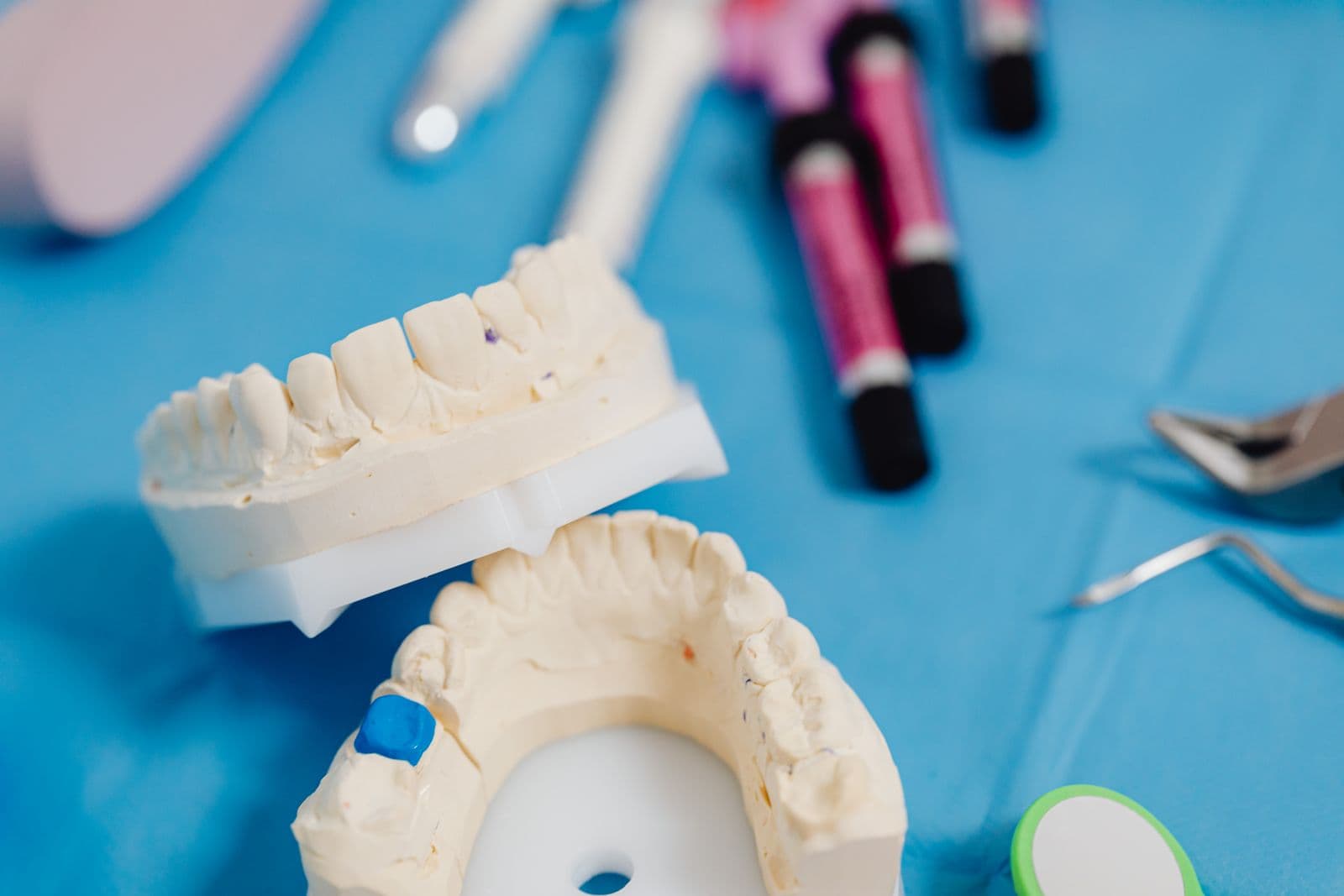
Dentures (Removable Prosthesis) Guide: Types, Adjustment Period and Care
Who are dentures suitable for, how are they made, and what does the adjustment period look like? The difference between complete and partial dentures, relining a loose denture, daily care rules and implant-supported options in this comprehensive guide.
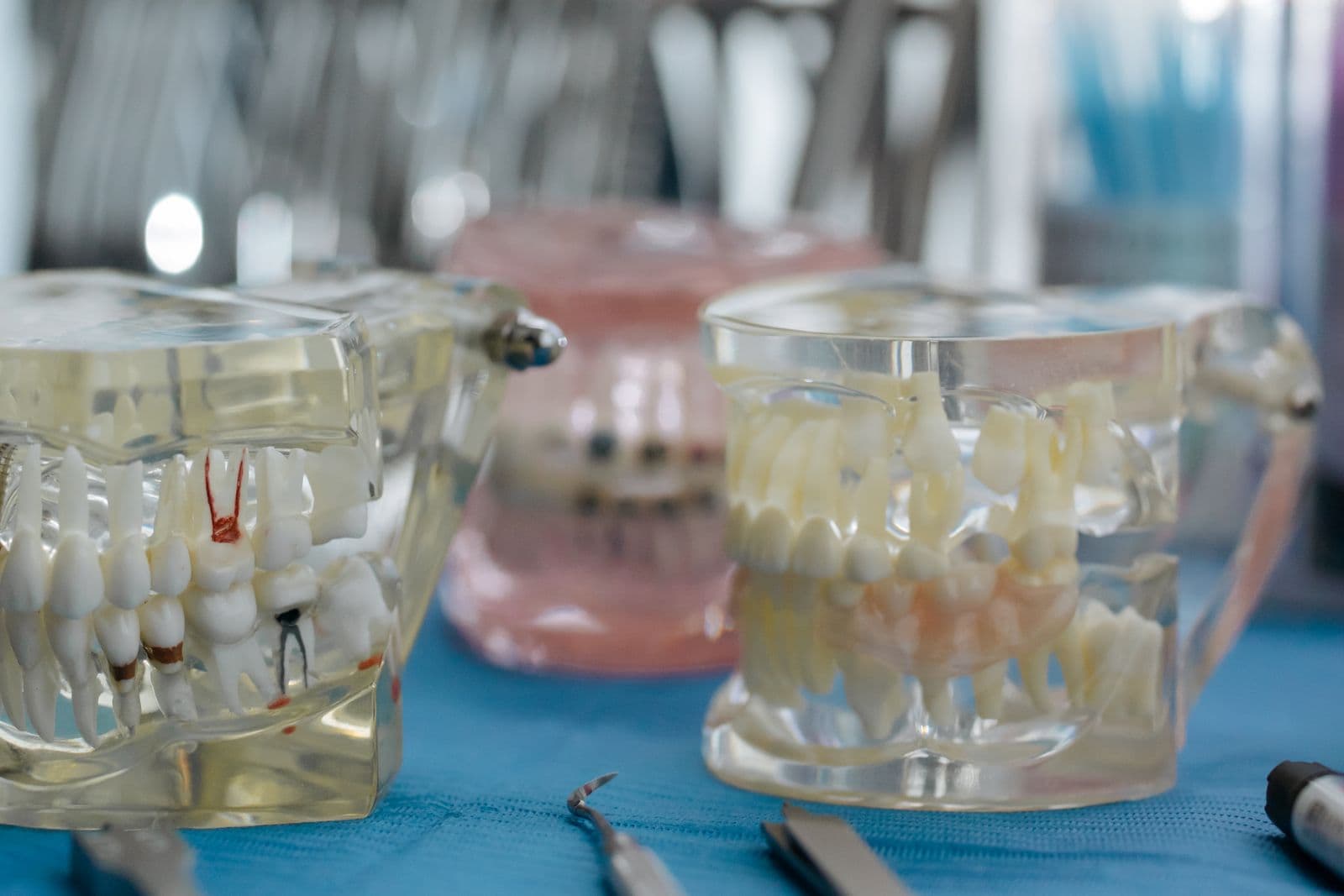
Orthodontic Treatment in Children: At What Age Are Braces Fitted?
Have you noticed crowding in your child's teeth? The right time for the first orthodontic check-up, the causes of crowding, the benefits of early treatment, appliance types and braces care — all in this comprehensive family guide.
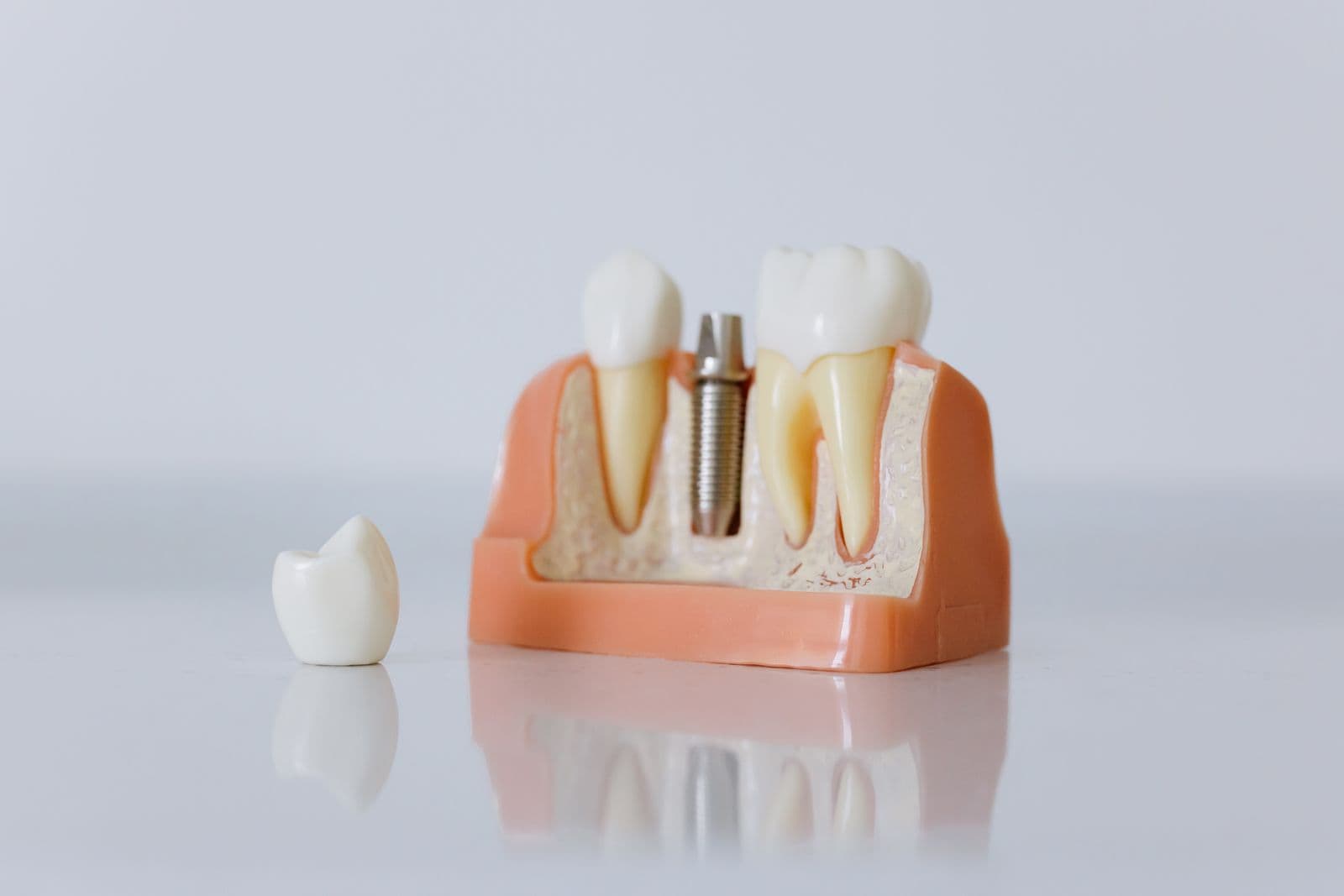
What Is a Dental Bridge? Types, Procedure Steps and Comparison with Implants
Considering a bridge or an implant for your missing teeth? In this comprehensive guide you will find the types of dental bridges, the step-by-step procedure, the finer points of cleaning under a bridge and a comparison with implants.