

Table of Contents
- What Is the Oral-Systemic Axis?
- Gum Disease and Cardiovascular Health
- Diabetes and Gum Disease: A Two-Way Relationship
- Oral Health During Pregnancy
- The Airway and Oral Bacteria
- Chronic Inflammation: The Invisible Common Denominator
- The Oral Microbiome: An Invisible Ecosystem
- Preventive Dentistry and the Value of Regular Check-Ups
Is the health of your mouth only about a bright smile or fresh breath? Research in recent years suggests the answer is far broader than you might think. The mouth is not an isolated zone cut off from the rest of the body. On the contrary, it is a living ecosystem in constant interaction with the circulatory system, the immune system and even metabolism.
Scientists describe this relationship through the concept of the "oral-systemic axis." The core idea is simple: inflammation or a bacterial imbalance that begins in the mouth may, in some situations, be linked to processes that affect the body's overall health. This is not a scare story. It is a framework that explains why oral care deserves to be seen as part of whole-body health.
In this article we will look at the connections that stretch from gum disease to cardiovascular health, and from diabetes to pregnancy, without exaggeration and from a current scientific perspective. Our aim is not to create panic, but to make clear that the attention you give your mouth may be an investment in your entire body.
What Is the Oral-Systemic Axis?
The mouth is one of the largest gateways into the body. Everything we eat, drink and breathe passes through it. As a result, the oral cavity is a highly active area, home to a wide variety of microorganisms and constantly patrolled by the immune system.
The oral-systemic axis rests on the idea that the tissues and microorganisms in the mouth are in two-way communication with the body's other systems. The tiny blood vessels in the gums create a surface through which substances and inflammatory products from the mouth may enter the bloodstream. In the same way, the body's general condition can influence the health of oral tissues.
The most practical way to understand this axis is to think of your mouth as a mirror of your body. The first signs of some systemic conditions can appear in the mouth, and chronic problems in the mouth may in turn contribute to processes associated with general health. The direction and strength of the relationship vary from person to person and always require assessment by a clinician.
Gum Disease and Cardiovascular Health
One of the most discussed connections is the relationship between gum disease (periodontal disease) and cardiovascular health. Many observational studies have pointed out that certain cardiovascular problems may appear more frequently in people with advanced gum disease. Careful language matters here, however: these findings show an association, not direct proof of cause and effect.
One of the proposed mechanisms is chronic inflammation. Gum inflammation that goes untreated for a long time can create a low-grade but persistent inflammatory state in the body. This kind of widespread inflammation is thought to be associated with processes that affect vascular health. The possibility that oral bacteria may enter the bloodstream is another topic that draws research attention.
The conclusion to draw is not that gum disease "causes" heart disease, but that caring for your oral health is a sensible habit for overall well-being. Cardiovascular health is shaped by many factors, and gum care is only one part of that picture. For a personal risk assessment, the best step is to consult your physician.
- Bleeding, redness and swelling of the gums are signs that should not be ignored.
- Regular brushing and interdental cleaning may help reduce the inflammatory burden.
- Smoking is a shared risk factor for both gum disease and cardiovascular health.
Diabetes and Gum Disease: A Two-Way Relationship
The relationship between diabetes and gum disease is one of the best-defined oral-systemic connections, and it works in both directions. It is known that gum disease can appear more frequently and in a more advanced form in people whose blood sugar is difficult to control. High blood sugar can affect the healing capacity of tissues and their resistance to infection.
The other side of the relationship is just as important: there is evidence that uncontrolled gum inflammation may make it harder to manage blood sugar balance. In other words, inflammation in the mouth and metabolic status can form a cycle that influences each other. For this reason, oral care in people with diabetes is treated as a natural part of the overall care plan.
If you have diabetes or think you may be in a risk group, it is helpful to inform your dentist. Adjusting your oral care both makes it easier for your clinician to monitor you and may contribute to your daily comfort. Every individual's situation is different, and the approach should be planned on a personal basis.
Oral Health During Pregnancy
Pregnancy is a special period marked by many hormonal changes, and these changes can also affect the gums. Many expectant mothers notice that their gums become more sensitive, bleed easily or swell during pregnancy. This condition, often called "pregnancy gingivitis," is common and can usually be managed with good oral care.
Research has noted that there may be a link between advanced gum disease and certain pregnancy outcomes. However, the nature of this relationship is still being investigated, and it would be wrong to use definitive cause-and-effect statements. What matters is not neglecting oral care during pregnancy and taking your clinician's advice into account.
The widespread belief that dental care should be avoided during pregnancy is often a myth. Routine check-ups and basic care can usually be carried out with appropriate timing; your clinician decides which procedure is suitable and when. If you are planning a pregnancy, having an oral health assessment beforehand can be a sensible approach.
- Myth: "You cannot visit the dentist during pregnancy." Fact: Routine care can usually continue with appropriate timing.
- Gum sensitivity and bleeding are common in pregnancy; sharing them with your clinician is advised.
- After acid contact from nausea, rinsing with water may be gentler than brushing immediately.
The Airway and Oral Bacteria
The mouth and the airways are anatomically neighbours, which makes interaction between them natural. Studies have examined how bacteria in a neglected mouth may, in some situations, reach the airways and be associated with respiratory infections.
This connection comes up especially for people with weakened immunity, older adults and those who depend on care. The importance of regular oral care in these groups has been highlighted. For generally healthy individuals, good oral hygiene is a basic habit that helps preserve the balance of bacteria in the mouth.
The message here is not that every bacterium in your mouth is dangerous. Billions of beneficial microorganisms live in the mouth. The goal is to keep the excessive build-up of harmful bacteria that disrupt this balance under control through regular care.
Chronic Inflammation: The Invisible Common Denominator
In most of the connections we have discussed so far, one concept keeps recurring: chronic inflammation. Inflammation is actually the body's self-defence mechanism; when it is short-lived, it is part of healing. The problem arises when inflammation continues at low intensity but persistently over a long period.
Gum disease left untreated for a long time can become such a continuous source of inflammation in the body. Scientists believe this kind of chronic inflammation is associated with various systemic conditions. This is also one explanation for why the oral-systemic axis comes up in so many different illnesses.
The good news is this: managing inflammation in the mouth is largely possible and can usually be supported with simple habits. Noticing the early signs of inflammation and having regular check-ups are approaches that help ease this burden.
The Oral Microbiome: An Invisible Ecosystem
You may have heard a lot about the gut microbiome, but the mouth also has a rich microbiome of its own. The oral microbiome is a balanced community of hundreds of different bacterial species living on the teeth, gums and tongue. The vast majority of this community is not harmful; in fact, it is necessary for the healthy function of the mouth.
Health is about maintaining the balance in this ecosystem. Frequent consumption of sugary and processed foods, dry mouth, smoking and neglected hygiene can tip this balance in favour of harmful bacteria. When the balance is disrupted, the likelihood of conditions such as decay and gum problems increases.
Supporting the oral microbiome is not complicated: a balanced diet, adequate water intake, regular mechanical cleaning and staying away from tobacco are the basic elements that help protect this ecosystem. Rather than using harsh antibacterial products unnecessarily and without guidance, sticking to the routine your clinician recommends is a more sensible approach.
- Beneficial and harmful bacteria live in balance in the mouth; the goal is to preserve that balance.
- Frequent sugar contact and dry mouth can tip the balance toward harmful bacteria.
- Drinking water and supporting saliva flow provide natural protection.
Preventive Dentistry and the Value of Regular Check-Ups
All these connections lead us to a single sensible conclusion: protecting oral health is a reasonable contribution to overall health. The essence of preventive dentistry is to manage problems before they appear or at an early stage. This can mean both less intervention and a more comfortable process.
The foundation of daily care is laid at home: brushing twice a day with the right technique, interdental cleaning and a balanced diet. However, home care does not replace regular dental check-ups. Regular examinations allow early changes that are not easily seen with the naked eye to be assessed. How often you need check-ups varies according to individual needs, and your clinician determines this.
In clinics such as ADEN Dental in Cukurambar, Ankara, the preventive approach begins with a personalised assessment. Remember that no article can replace a personal examination; the information here is intended to raise awareness. Decisions about diagnosis and treatment always depend on your clinician's examination and your individual situation.
In the end, the care you give your mouth concerns not only the surface of the mirror but the whole picture behind it. Small and regular habits may, over the long term, contribute to both your smile and your overall health.

This content was prepared by the dental team of our clinic in Cukurambar, Ankara. Feel free to contact us with any questions about your oral and dental health.
This content is for informational purposes only; a dental examination is required for diagnosis and treatment.
Have questions? We are happy to help.
Related Articles

Orthodontic Treatment in Children: At What Age Are Braces Fitted?
Have you noticed crowding in your child's teeth? The right time for the first orthodontic check-up, the causes of crowding, the benefits of early treatment, appliance types and braces care — all in this comprehensive family guide.
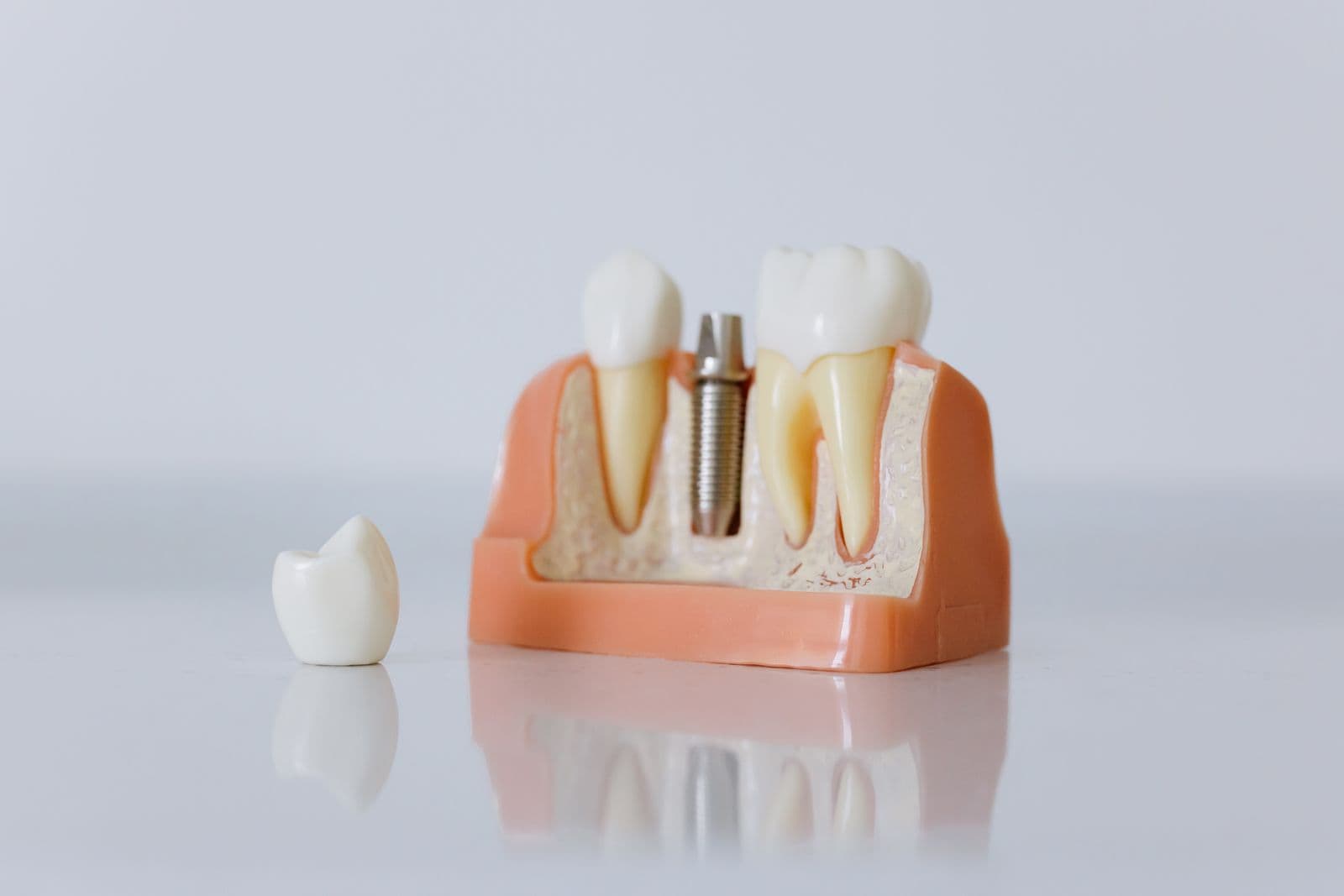
What Is a Dental Bridge? Types, Procedure Steps and Comparison with Implants
Considering a bridge or an implant for your missing teeth? In this comprehensive guide you will find the types of dental bridges, the step-by-step procedure, the finer points of cleaning under a bridge and a comparison with implants.

Are Dental X-Rays Harmful? A Guide to Radiation Doses and Safety
Worried about getting a dental X-ray? This guide covers the actual radiation doses of panoramic X-rays and CBCT scans, safety principles during pregnancy and childhood, and the protective measures taken in modern clinics.