
Table of Contents
- Where Does the Hollywood Smile Come From?
- How Does the Digital Smile Design Process Work?
- Which Treatments Are Combined in a Smile Makeover?
- Planning Around Your Facial Features
- Who May Be a Candidate for a Hollywood Smile?
- Myth or Fact? Setting Realistic Expectations
- Longevity and Aftercare: Protecting Your Results
- The Bottom Line: It Starts in the Dental Chair
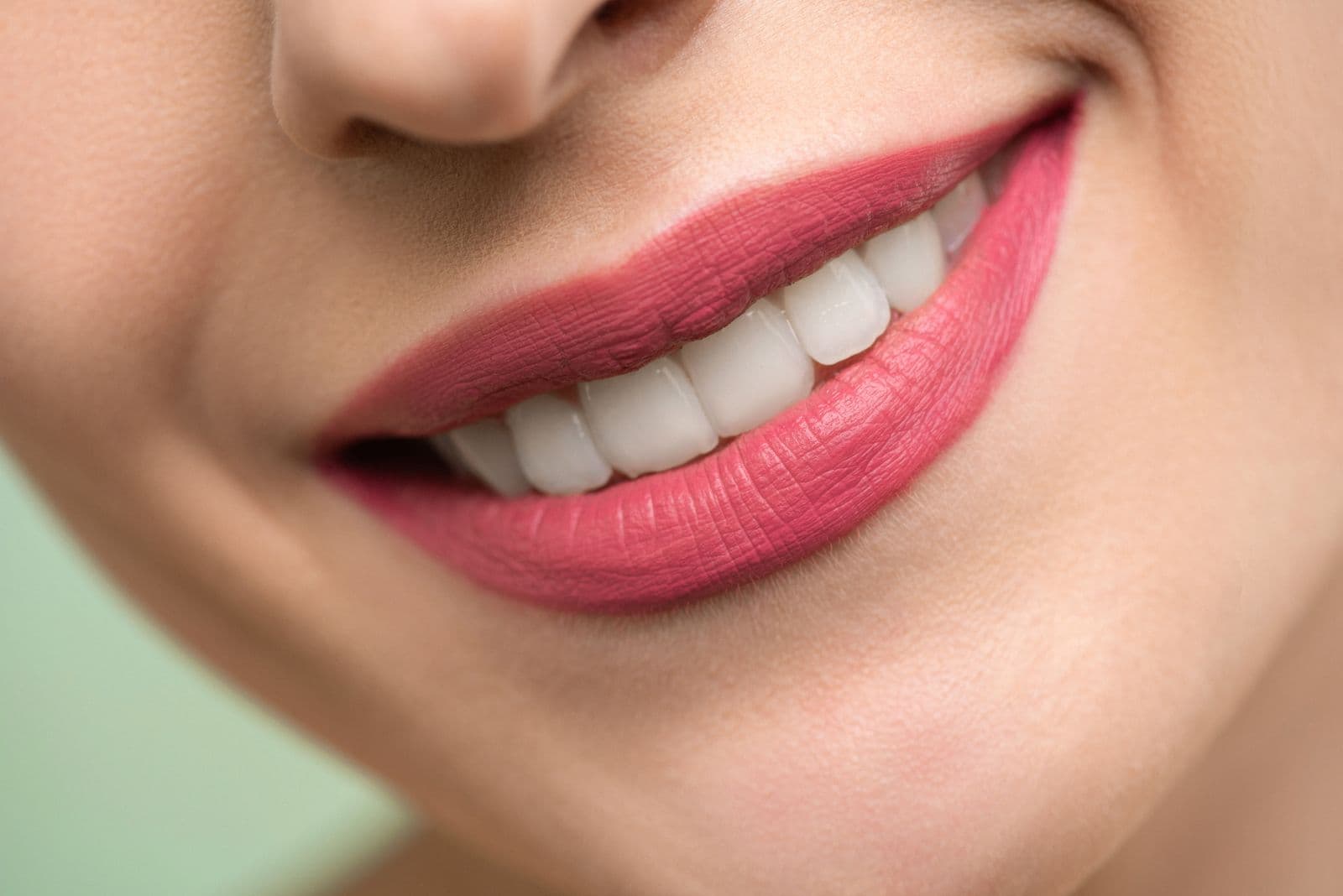
If you catch yourself hiding your teeth in photos, chances are you have already come across the term "Hollywood smile". On social media it is often reduced to a set of blindingly white, flawless teeth — but the real concept is far more nuanced. A Hollywood smile, also known as a smile makeover, is a comprehensive aesthetic approach that considers the colour, shape and proportion of your teeth together with your gum line and, crucially, your facial features.
In this guide we look at where the concept comes from, how the digital smile design process works, which treatments can be combined, who may be a suitable candidate, and what it takes to keep the results looking good for years. Our aim is to offer a realistic, evidence-based framework rather than glossy promises — because every smile design decision is ultimately a personal journey that should be shaped by a proper clinical examination.
Where Does the Hollywood Smile Come From?
The term traces back to the Hollywood film studios of the 1930s and 40s. Close-up shots in black-and-white films made every imperfection in an actor's teeth painfully visible. The first temporary veneers were developed in this era, designed to create a smooth, camera-ready smile that could be clipped on for a shoot. As dental materials and bonding techniques advanced over the decades, these short-lived props evolved into durable aesthetic restorations.
Today, a Hollywood smile does not describe a single procedure but a personalised combination of treatments. The modern philosophy has moved away from applying one template to everyone. Instead, the goal is a natural result that suits your facial structure, age, skin tone and expectations — a smile people notice without being able to say exactly why. In other words, contemporary smile design has evolved from the artificial gleam of the film set towards refined, believable aesthetics.
How Does the Digital Smile Design Process Work?
The most important stage of modern smile aesthetics happens before any treatment begins: digital planning. In a Digital Smile Design (DSD) workflow, photographs and videos of your face along with three-dimensional intraoral scans are collected and analysed with specialised software. The ideal size, form and alignment of your teeth are then modelled in proportion to your facial features.
The real value of this process is that you can see the proposed design before anything is done to your teeth. Through a trial application known as a mock-up, the planned design is temporarily projected onto your teeth with a reversible material. You can look in the mirror, speak, smile and evaluate how the new proportions feel. Any detail you are unsure about can be revised at this stage, with no commitment.
Digital planning also creates a shared language between the dentist, the dental technician and you. Because the data sent to the laboratory is standardised, the gap between the approved design and the final restorations is minimised. That said, every mouth responds differently, so the final outcome always depends on your dentist's clinical judgement and how your tissues respond.
Which Treatments Are Combined in a Smile Makeover?
A Hollywood smile is not one procedure but a coordinated blend of treatments selected according to need. Which methods are combined depends on the current colour, shape and alignment of your teeth, your gum level, and any existing issues such as decay or old fillings. Sometimes whitening and a few subtle touches are enough; in other cases a more comprehensive restorative plan may be required.
The treatment options most frequently used in smile design include:
- Teeth whitening: professional in-office or supervised at-home methods can lighten the overall shade.
- Porcelain laminate veneers: thin shells bonded to the front surface of the tooth correct colour and form with minimal tooth reduction.
- Zirconia crowns: metal-free full-coverage restorations that may be preferred for more extensive colour, shape or alignment issues.
- Gum contouring (gingivectomy/gingivoplasty): an uneven or overly visible gum line can be reshaped.
- Composite bonding: an aesthetic resin technique for small chips and gaps, often completed in a single visit.
- Orthodontic pre-treatment: clear aligners or braces can create the right foundation before restorative work when crowding is significant.
Planning Around Your Facial Features
What separates a well-executed smile design from a generic set of crowns is personalisation. The length and width of the teeth should harmonise with your lip line, the dental midline with the symmetry of your face, and the curve of the incisal edges with the contour of your lower lip. Face shape matters too: softer tooth forms can balance angular features, while different proportions may suit an oval face.
Shade selection is equally personal. An ultra-white shade that clashes with the whites of your eyes and your skin tone usually produces an unnatural result. The contemporary approach therefore aims for the shade that suits you best rather than the whitest shade possible. Age, gender and even professional life feed into design decisions — a youthful smile may feature more pronounced incisal edges, while a flatter line may suit a more mature look.
One point must never be overlooked: however elegant the aesthetic plan, it has to be built on healthy foundations. Cavities, gum inflammation or jaw joint problems need to be addressed first. Function and aesthetics are inseparable; a design that ignores your bite and chewing balance can create problems in the long run.
Who May Be a Candidate for a Hollywood Smile?
Smile design serves a wide range of needs, but no single method suits everyone, and candidacy can only be confirmed after a thorough clinical and radiographic examination. As a general framework, aesthetic smile options may be worth discussing in the following situations:
- Discoloured or stained teeth that do not respond sufficiently to whitening
- Chipped, worn or misshapen front teeth
- Gaps between the teeth (diastema)
- Mild to moderate crowding or alignment irregularities
- Excessive gum display when smiling (gummy smile)
- Old fillings or crowns whose colour no longer matches and need replacing
Myth or Fact? Setting Realistic Expectations
Myth: "A Hollywood smile means identical, ultra-white teeth for everyone." Fact: a good design aims for a natural result that fits your face and age — there is no universal template. Overly white, perfectly symmetrical teeth tend to look artificial and are no longer considered the aesthetic ideal.
Myth: "Once it's done, you never have to think about it again." Fact: no dental restoration lasts forever. The material used, your oral hygiene, dietary habits and factors such as teeth grinding directly influence longevity. Regular check-ups and good care can extend the lifespan of restorations, but promising a fixed number of years is not scientifically honest.
Myth: "Veneers always require grinding the teeth down heavily." Fact: modern laminate techniques can be performed with minimal preparation and, in selected cases, with virtually none at all. How much preparation is needed depends on the condition of your teeth — a decision that can only be made after an examination.
Longevity and Aftercare: Protecting Your Results
How long your new smile lasts depends largely on your habits after treatment. Porcelain and zirconia surfaces resist staining better than natural enamel, but restoration margins and your natural teeth still need diligent care. The shade achieved with whitening may also gradually relapse depending on your diet, in which case your dentist may suggest occasional top-up sessions.
The essentials to keep in mind in daily life are:
- Brush twice a day and make daily flossing or interdental brushing a habit.
- Avoid habits that overload the teeth, such as biting pens, nails or opening packaging.
- If you clench or grind your teeth, tell your dentist; a night guard can help protect the restorations.
- Limiting staining agents such as tea, coffee and smoking supports colour stability.
- Do not skip dental check-ups every six months and professional cleaning when needed.
The Bottom Line: It Starts in the Dental Chair
When planned correctly, a Hollywood smile is a comprehensive aesthetic approach that can positively influence not only your teeth but the way you express yourself. Yet unlike the uniform images circulating on social media, the true measure of a good smile design is not whiteness — it is harmony with your face, your age and your character.
Which combination of treatments is right for you depends on the current state of your oral health, and that decision can only be made through a detailed examination by your dentist. Before committing, ask every question on your mind, insist on seeing the digital design and mock-up stages, and set out with realistic expectations. A healthy smile always begins with good planning.

This content was prepared by the dental team of our clinic in Cukurambar, Ankara. Feel free to contact us with any questions about your oral and dental health.
This content is for informational purposes only; a dental examination is required for diagnosis and treatment.
Have questions? We are happy to help.
Related Articles
Orthodontic Treatment in Children: At What Age Are Braces Fitted?
Have you noticed crowding in your child's teeth? The right time for the first orthodontic check-up, the causes of crowding, the benefits of early treatment, appliance types and braces care — all in this comprehensive family guide.
What Is a Dental Bridge? Types, Procedure Steps and Comparison with Implants
Considering a bridge or an implant for your missing teeth? In this comprehensive guide you will find the types of dental bridges, the step-by-step procedure, the finer points of cleaning under a bridge and a comparison with implants.
Are Dental X-Rays Harmful? A Guide to Radiation Doses and Safety
Worried about getting a dental X-ray? This guide covers the actual radiation doses of panoramic X-rays and CBCT scans, safety principles during pregnancy and childhood, and the protective measures taken in modern clinics.