

Table of Contents
- Why Do International Patients Choose Turkey for Dental Care?
- Planning Your Treatment Journey, Step by Step
- Which Treatments Fit One Trip — and Which Need Two?
- Why Ankara? What the Capital Has to Offer
- Your Pre-Travel Preparation Checklist
- Aftercare and Remote Follow-Up Once You Are Home
- Language Support: Why Clear Communication Is a Safety Issue
- The Right Questions to Ask Any Clinic
You are considering dental treatment abroad but are not sure how the process actually works — this guide was written to answer exactly that question. Every year, tens of thousands of international patients complete well-organised dental journeys in Turkey, and with the right preparation, yours can be a calm, structured experience rather than a leap into the unknown.
In this article we walk through every stage of the journey: why Turkey has become a major destination for dental care, how to plan your treatment remotely, which procedures fit into a single trip and which require two, what Ankara offers as a destination, and how follow-up works once you are back home. Our aim is practical, realistic information — not marketing language.
One point deserves stating upfront: no written guide can replace a clinical examination. Only your dentist can determine which treatment is appropriate for you, and only after an in-person examination and imaging.
Why Do International Patients Choose Turkey for Dental Care?
Turkey's popularity among international dental patients cannot be reduced to a single factor. One of the most significant is clinical experience: dentists in Turkey typically work with high patient volumes, building intensive hands-on practice in fields such as implantology, prosthodontics and aesthetic dentistry. Specialist training and continuing professional development are structured through professional bodies and Ministry of Health regulations.
The second factor is modern clinical infrastructure. Many Turkish clinics are equipped with 3D cone-beam tomography (CBCT), digital intraoral scanners, in-house CAD/CAM design and milling systems, and up-to-date sterilisation protocols. This allows for more detailed diagnostics and means some restorations can be manufactured under the same roof as your treatment.
The third factor is short waiting times. Appointment and laboratory timelines that can stretch over months in many countries are often arranged far more quickly in Turkey. Clinics accustomed to international patients know how to organise examinations, imaging and treatment sessions around a limited travel window. Direct flights connecting Turkey with Europe, the Middle East and Central Asia make the logistics straightforward.
Planning Your Treatment Journey, Step by Step
A good dental journey begins long before you board a plane. The process usually opens with a remote consultation: you share your concerns, expectations and medical history with the clinic. Providing a recent panoramic X-ray or CBCT scan at this stage helps the dentist make a meaningful preliminary assessment.
Based on this assessment, the clinic will send you a draft treatment plan. Note the word draft: the definitive plan can only be confirmed after an in-person examination and, where needed, new imaging. A serious clinic will tell you this openly — be cautious with anyone promising definitive outcomes based solely on a remotely reviewed X-ray.
A typical planning sequence looks like this:
- Remote consultation: sharing your concerns, expectations and medical history
- Sending existing X-rays or CT scans to the clinic
- Receiving a draft treatment plan with an estimated number of sessions and trips
- Aligning your travel dates with the proposed treatment schedule
- Comprehensive examination on arrival and confirmation of the final plan
Which Treatments Fit One Trip — and Which Need Two?
This is the question international patients ask most often, and while the honest answer is 'it depends', a general framework helps. Professional cleaning, fillings, root canal treatment, tooth whitening and, in many cases, porcelain veneers and zirconia crowns can usually be planned within a single trip of roughly 5 to 10 days. Digital design and in-house production can shorten these timelines further.
Dental implant treatment, by contrast, usually requires two trips. During the first visit, the implant is surgically placed; a healing period of typically 2 to 4 months then follows, allowing the implant to fuse with the jawbone (osseointegration). The permanent restoration is fitted during the second trip. Where bone grafting or a sinus lift is needed, this timeline may extend further.
The critical point is this: the number of trips is determined by the healing biology of your tissues, not by your calendar. Compressing biological healing times to squeeze treatment into one trip is not sound practice. Do not hesitate to ask your dentist to explain the reasoning behind your schedule — a good plan is one whose every step can be justified.
Why Ankara? What the Capital Has to Offer
While coastal resorts often dominate the dental tourism conversation, Ankara offers distinctive advantages for international patients. As Turkey's capital, the city is home to long-established universities, a strong healthcare ecosystem and well-developed urban infrastructure. Esenboğa Airport is reachable from many hubs directly or with one connection, and getting around the city by metro and modern roads is straightforward.
Another advantage is Ankara's calm, orderly character. Away from dense tourist crowds, you will find an environment well suited to keeping appointments on time, resting and recovering. Between sessions you can explore cultural landmarks such as Anıtkabir, the Museum of Anatolian Civilizations and the historic Ankara Castle.
Central districts such as Çukurambar combine hotels, restaurants and healthcare facilities within walking distance of one another. Clinics based there — ADEN Dental in Çukurambar, Ankara among them — are able to plan appointment and accommodation logistics for international patients around this accessibility.
Your Pre-Travel Preparation Checklist
Good preparation dramatically reduces the risk of surprises during treatment. Before travelling, put together a checklist that covers both medical and practical matters. A complete list of your medications and chronic conditions is particularly important — your dentist needs it to build a safe plan.
Before you travel, make sure you have:
- Checked passport validity and visa/e-visa requirements for your nationality
- Digital copies of recent X-rays, CT scans and any previous treatment records
- A written list of medications, allergies and chronic conditions
- Reviewed what your travel health insurance actually covers
- Saved written communication with the clinic (treatment plan, appointment dates)
- Booked flights with flexible return dates that respect the healing schedule
- Planned soft foods and rest days for the period after any surgical procedure
Aftercare and Remote Follow-Up Once You Are Home
The end of treatment should not mean the end of the dentist-patient relationship. Before flying home, request a treatment file containing a summary of all procedures, details of the materials used (for example, the implant brand and dimensions) and written care instructions. These documents will be invaluable if you ever need to see a dentist in your home country.
Clinics experienced with international patients usually operate a remote follow-up protocol: healing can be monitored through photo sharing, video calls and messaging channels. You should be told clearly which post-treatment symptoms are normal and which warrant contacting the clinic.
One truth worth remembering: no dental treatment is 'fit and forget'. The longevity of any restoration depends on your oral hygiene, regular check-ups and general health. Continuing routine dental visits in your home country is an important part of maintaining the work that has been done.
Language Support: Why Clear Communication Is a Safety Issue
In healthcare, language is not a comfort issue — it is a safety issue. Signing consent forms you have not understood, misreading aftercare instructions or being unable to describe your symptoms precisely can all compromise your treatment. When choosing a clinic, always ask how language support is provided.
English communication is widespread in clinics that welcome international patients, and many also work with patient coordinators who speak Arabic, Russian, German or French. What matters is being able to communicate clearly not only when booking, but during the examination itself and throughout post-treatment follow-up. Asking for written documents — treatment plan, consent forms, care instructions — in a language you understand is entirely reasonable and your right.
The Right Questions to Ask Any Clinic
Asking the right questions moves you past marketing phrases and towards real information. A serious clinic will not be uncomfortable with any of these — quite the opposite, it will prefer working with an informed patient. Use the following list during your initial consultations:
Getting these answers in writing clarifies expectations and helps prevent misunderstandings later. Where you remain unsure, seeking a second professional opinion is always a legitimate option. The final decision should take shape between you and your dentist, grounded in the findings of a proper examination.
- Which dentist will carry out my treatment, and what is their specialisation and experience?
- If my treatment plan changes after the examination, how is that handled?
- How many trips and sessions are needed, and how were the healing periods planned?
- Which implant and material brands will be used, and will I receive their documentation?
- How are complications managed once I have returned to my home country?
- How does remote follow-up work — with whom and through which channel will I communicate?
- Will my treatment records and X-rays be handed to me in digital form?

This content was prepared by the dental team of our clinic in Cukurambar, Ankara. Feel free to contact us with any questions about your oral and dental health.
This content is for informational purposes only; a dental examination is required for diagnosis and treatment.
Have questions? We are happy to help.
Related Articles
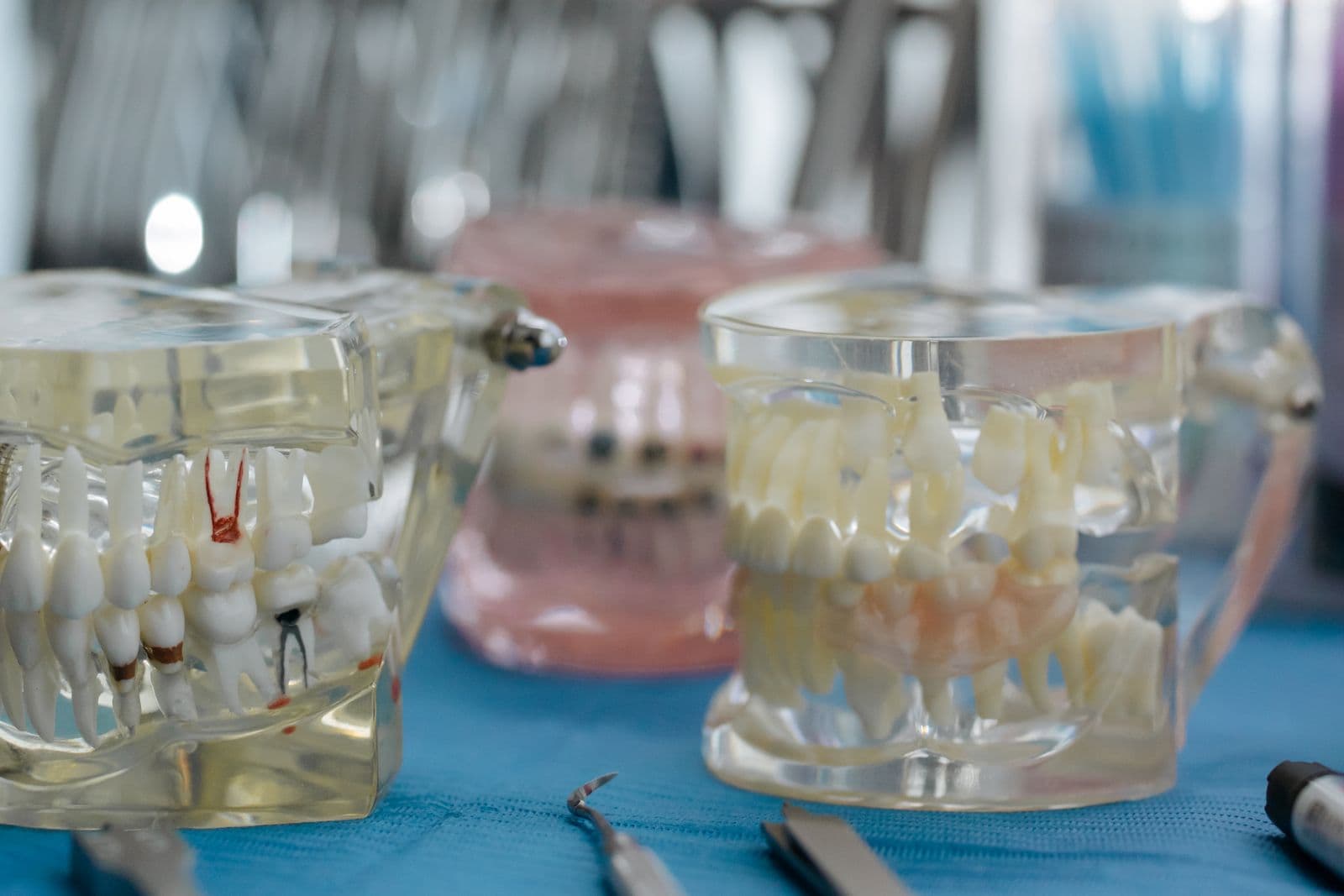
Orthodontic Treatment in Children: At What Age Are Braces Fitted?
Have you noticed crowding in your child's teeth? The right time for the first orthodontic check-up, the causes of crowding, the benefits of early treatment, appliance types and braces care — all in this comprehensive family guide.
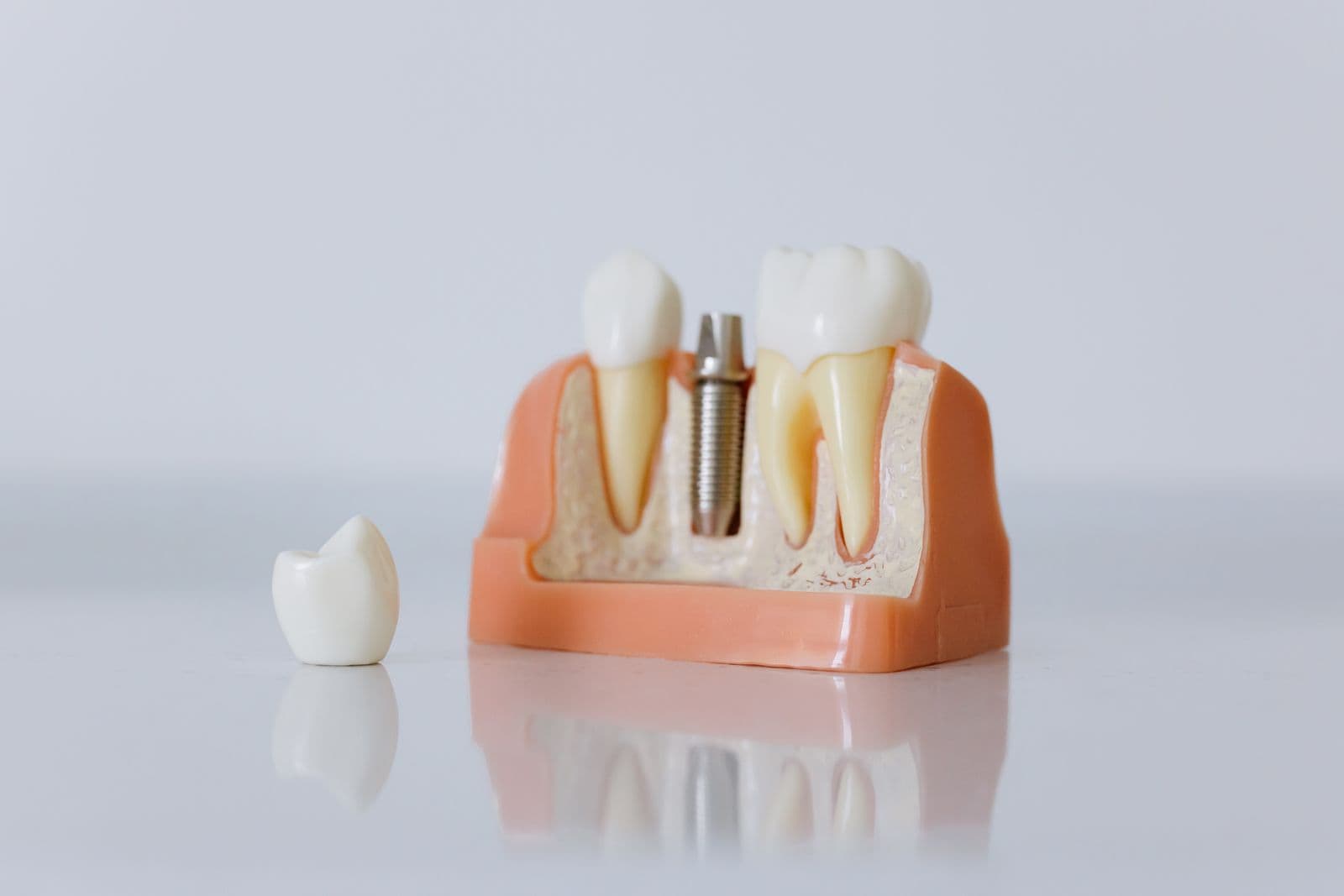
What Is a Dental Bridge? Types, Procedure Steps and Comparison with Implants
Considering a bridge or an implant for your missing teeth? In this comprehensive guide you will find the types of dental bridges, the step-by-step procedure, the finer points of cleaning under a bridge and a comparison with implants.
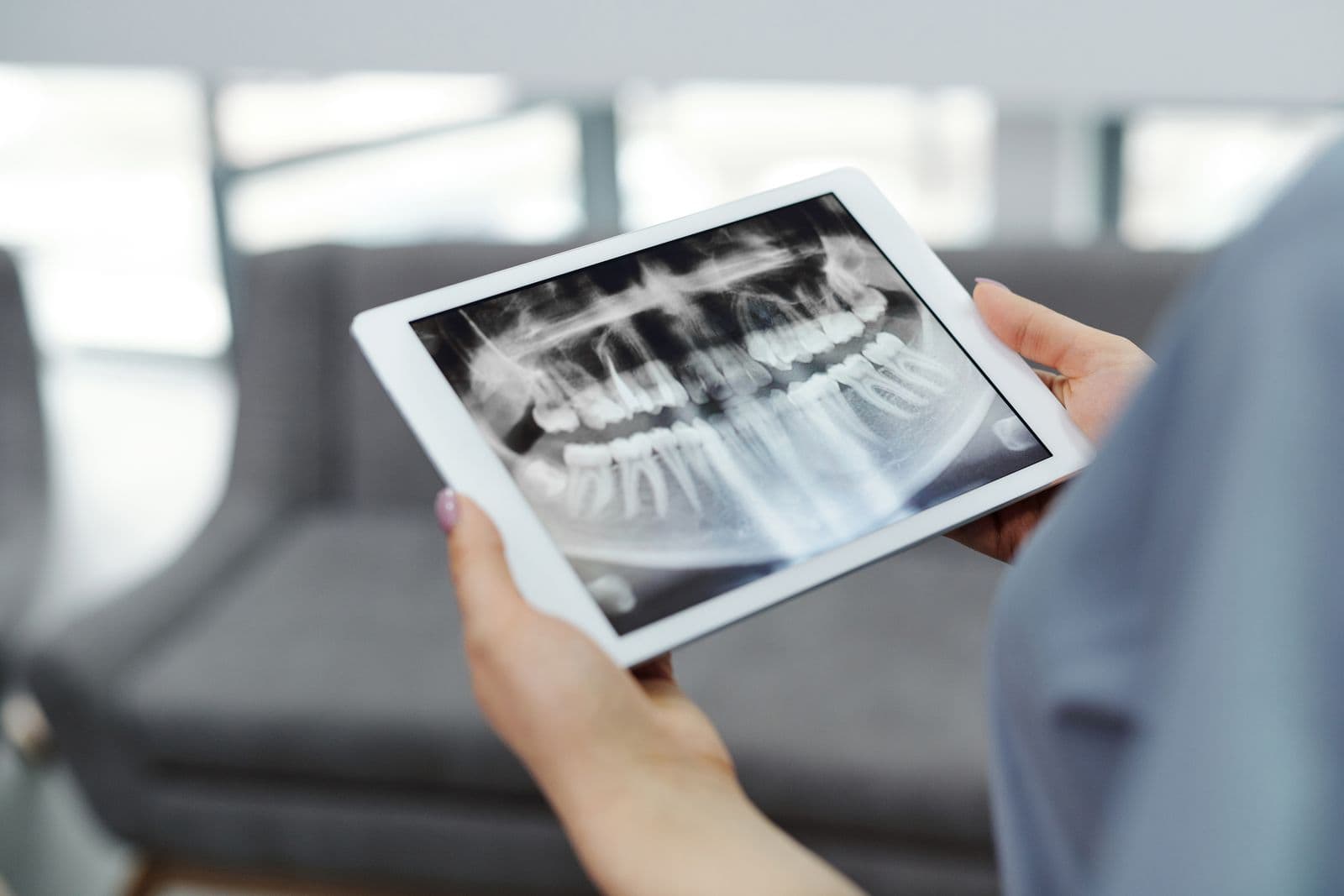
Are Dental X-Rays Harmful? A Guide to Radiation Doses and Safety
Worried about getting a dental X-ray? This guide covers the actual radiation doses of panoramic X-rays and CBCT scans, safety principles during pregnancy and childhood, and the protective measures taken in modern clinics.