

Table of Contents
- Myth 1: "Root canal treatment is extremely painful"
- Myth 2: "It's better to just have the tooth pulled"
- Myth 3: "A root-canal-treated tooth is a dead, useless tooth"
- Myth 4: "Root canals cause disease elsewhere in the body"
- Myth 5: "A root canal takes weeks and endless appointments"
- Myth 6: "You don't really need a crown afterwards"
- Myths 7 and 8: Antibiotics and Pregnancy
- Leave the Myths Behind: The Examination Decides
Is a root canal really as painful as everyone says? If you have just been told you may need one, that question has probably crossed your mind — and the answer you have heard most likely came from anecdotes rather than evidence. Root canal treatment is one of the most thoroughly researched and predictable procedures in dentistry, yet it remains surrounded by more misinformation than almost any other dental treatment.
In this article we take the eight most common root canal myths one by one and hold each of them up against current scientific knowledge. Our aim is neither to alarm nor to reassure you into a decision: it is to give you accurate information so that, when your dentist examines you and recommends a treatment, you can weigh that recommendation with confidence. Remember that only the dentist who actually examines your tooth can determine which treatment is right for you.
Myth 1: "Root canal treatment is extremely painful"
The truth: the notorious reputation of root canals belongs largely to the past. Modern local anaesthetic techniques and agents are designed to numb the tooth and surrounding tissues completely during the procedure. Today, most patients describe the experience as comparable to having a routine filling placed.
The pain people associate with root canals usually comes not from the treatment itself but from the inflammation that was already present in the tooth beforehand. A severely inflamed tooth hurts on its own; root canal treatment is intended to remove the cause of that pain. In other words, the procedure is not the source of the pain — in most cases it is the solution to it.
Mild sensitivity for a few days after treatment is possible and is a natural part of tissue healing. It can usually be managed with simple measures your dentist will recommend, though its intensity and duration vary from person to person.
Myth 2: "It's better to just have the tooth pulled"
The truth: there is no single universal answer to the root-canal-versus-extraction question, but the guiding principle of modern dentistry is to preserve the natural tooth whenever possible. Your own tooth performs functions — efficient chewing, stimulation of the jawbone, maintaining the position of neighbouring teeth — that no restoration can replicate exactly.
When an extracted tooth is not replaced, adjacent teeth can tilt into the gap, opposing teeth can over-erupt, and the balance of your bite can shift. Replacing the gap with an implant or bridge involves a separate treatment process of its own. In suitable cases, root canal treatment may allow you to keep your natural tooth functioning for many years.
Of course, not every tooth can be saved. Where there is extensive structural loss or certain types of fracture, extraction may be the more appropriate option. That decision should be made together with your dentist after a clinical and radiographic examination.
Myth 3: "A root-canal-treated tooth is a dead, useless tooth"
The truth: during root canal treatment the vascular and nerve tissue inside the tooth (the pulp) is removed, but the tooth continues to be nourished and supported by the surrounding bone and gum tissues. Calling it a 'dead tooth' is therefore technically misleading — an endodontically treated tooth remains a functioning unit of your bite.
A properly treated and properly restored root canal tooth continues to bite, chew and support speech. The scientific literature shows that well-restored root-canal-treated teeth can serve for many years, although outcomes depend on the initial condition of the tooth, the quality of the restoration and your oral hygiene.
One of the most important factors in the long-term survival of a treated tooth is the final restoration placed on top of it — a point we address in detail below.
Myth 4: "Root canals cause disease elsewhere in the body"
The truth: this myth traces back to the 'focal infection theory' proposed in the early 1900s — a hypothesis that is considered scientifically invalid today. It claimed that bacteria remaining in root-canal-treated teeth spread through the body and caused conditions ranging from rheumatism to cancer.
More than a century of subsequent research has not supported this claim. Leading scientific bodies, including the American Association of Endodontists (AAE), state clearly that there is no valid scientific evidence linking root canal treatment to systemic disease. On the contrary, the treatment aims to reduce the body's infection burden by removing the source of infection inside the tooth.
An untreated dental infection, on the other hand, can spread to surrounding tissues. From a health perspective, the real concern is not the root canal itself but leaving an infection untreated.
Myth 5: "A root canal takes weeks and endless appointments"
The truth: many root canal treatments today can be completed in a single visit. Rotary instrument systems, electronic apex locators and advanced imaging have shortened treatment times considerably compared with the past. Under suitable conditions, a single-rooted tooth can often be finished in one appointment.
That said, the number of visits depends on how many roots the tooth has, how complex the canal anatomy is, the degree of infection and the overall condition of the tooth. In teeth with significant infection, or in retreatment cases, your dentist may deliberately place medication inside the canals and spread the treatment over two or more visits. This is not a delay — it is a conscious clinical decision aimed at improving the outcome.
How many visits you will need can only be estimated after an examination and radiographic assessment; your dentist will explain the plan to you from the outset.
Myth 6: "You don't really need a crown afterwards"
The truth: root-canal-treated teeth have usually lost tooth structure to decay and to the treatment itself, and they can become more brittle over time — which increases the risk of fracture, especially in molars. Studies show that root-canal-treated molars reinforced with cusp-covering restorations such as crowns or onlays survive significantly longer than those left with only a filling.
Not every treated tooth necessarily needs a crown. Front teeth with minimal structural loss can sometimes be restored with a filling alone. Which restoration is appropriate depends on how much sound tooth structure remains and on the chewing forces the tooth is exposed to — an assessment your dentist will make.
Delaying the final restoration can lead to fracture of the tooth or allow bacteria to re-enter the canal system (coronal leakage). Following the restoration timeline your dentist recommends is therefore important.
- Cusp-covering restorations (crown or onlay) are generally recommended for molars
- Front teeth with minimal structure loss can sometimes be restored with a filling alone
- Postponing the final restoration can increase the risk of fracture and reinfection
- The final decision rests on how much tooth structure remains — your dentist will assess this
Myths 7 and 8: Antibiotics and Pregnancy
Myth 7: "Antibiotics will cure the pain, so no treatment is needed." The truth: antibiotics work through the bloodstream, but the necrotic tissue inside an infected root canal has no blood supply, so the drug cannot adequately reach the bacteria there. Antibiotics therefore cannot eliminate the actual source of the infection; even if symptoms subside temporarily, the problem usually returns. The infected canal system needs to be cleaned mechanically — through root canal treatment or another intervention your dentist deems appropriate. Unnecessary antibiotic use also contributes to antibiotic resistance, which is why antibiotics are prescribed only as an adjunct in specific situations, such as spreading swelling or fever, when your dentist judges them necessary.
Myth 8: "Root canal treatment cannot be done during pregnancy." The truth: organisations such as the American College of Obstetricians and Gynecologists (ACOG) and the American Dental Association (ADA) state that necessary dental treatment under local anaesthesia can be carried out during pregnancy. A single dental X-ray taken with a lead apron and digital sensors involves an extremely low radiation dose. In most cases, an untreated dental infection and severe pain place a greater burden on an expectant mother than the treatment itself would.
The timing of treatment during pregnancy and the choice of medication are planned by your dentist, in consultation with your obstetrician where needed. All you need to do is inform your dentist that you are pregnant and how many weeks along you are.
Leave the Myths Behind: The Examination Decides
For anyone still wondering whether root canal treatment is harmful, the summary is clear: current scientific evidence shows it to be a reliable and predictable option for preserving a tooth. Most of the myths rest either on techniques from decades ago or on theories that have long been scientifically refuted.
Still, every tooth and every patient is different. Whether your tooth is suitable for root canal treatment, how many visits it will take and how it should be restored can only be determined through a clinical examination and radiographic assessment. At clinics offering endodontic care, such as ADEN Dental in Çukurambar, Ankara, this evaluation is the first and most important step of treatment planning.
To make a well-informed decision, keep the following points in mind.
- Do not self-diagnose persistent toothache, hot-cold sensitivity or gum swelling — have it examined
- General information you read online is no substitute for the findings of your own examination
- Take antibiotics only when prescribed by a clinician, and for the full recommended course
- Do not postpone the permanent restoration recommended after root canal treatment
- Regular check-ups can contribute to the long-term success of the treated tooth

This content was prepared by the dental team of our clinic in Cukurambar, Ankara. Feel free to contact us with any questions about your oral and dental health.
This content is for informational purposes only; a dental examination is required for diagnosis and treatment.
Have questions? We are happy to help.
Related Articles
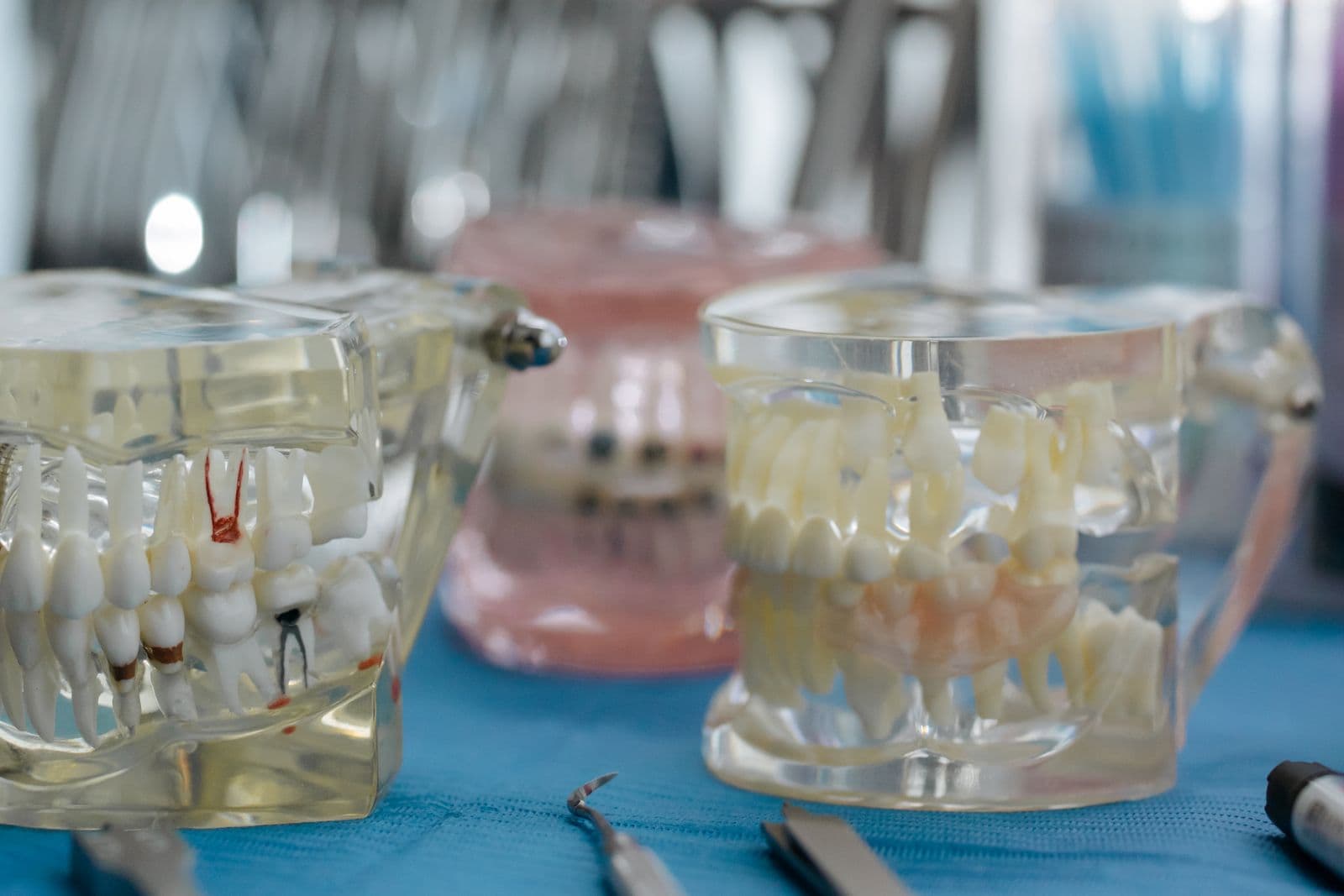
Orthodontic Treatment in Children: At What Age Are Braces Fitted?
Have you noticed crowding in your child's teeth? The right time for the first orthodontic check-up, the causes of crowding, the benefits of early treatment, appliance types and braces care — all in this comprehensive family guide.
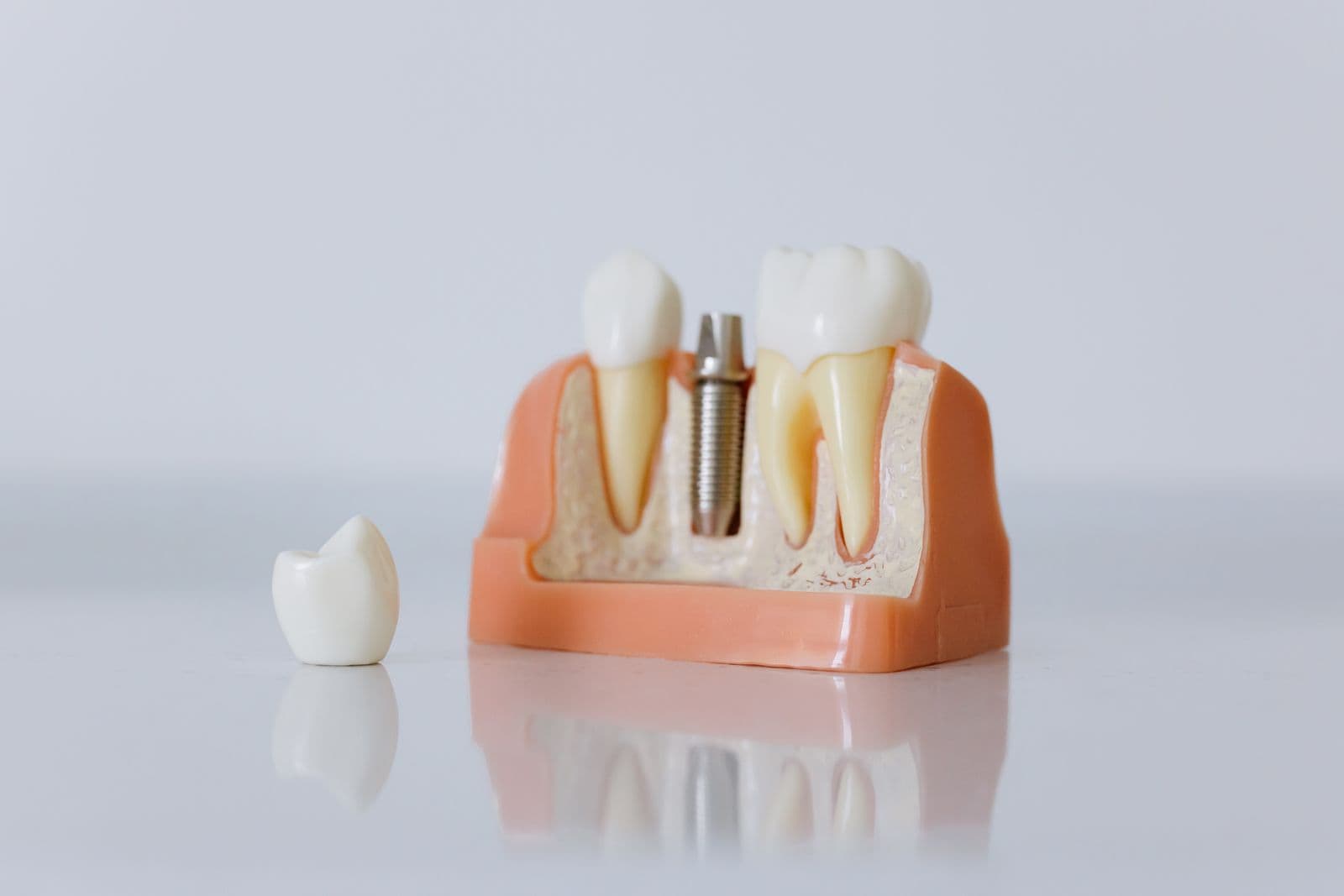
What Is a Dental Bridge? Types, Procedure Steps and Comparison with Implants
Considering a bridge or an implant for your missing teeth? In this comprehensive guide you will find the types of dental bridges, the step-by-step procedure, the finer points of cleaning under a bridge and a comparison with implants.
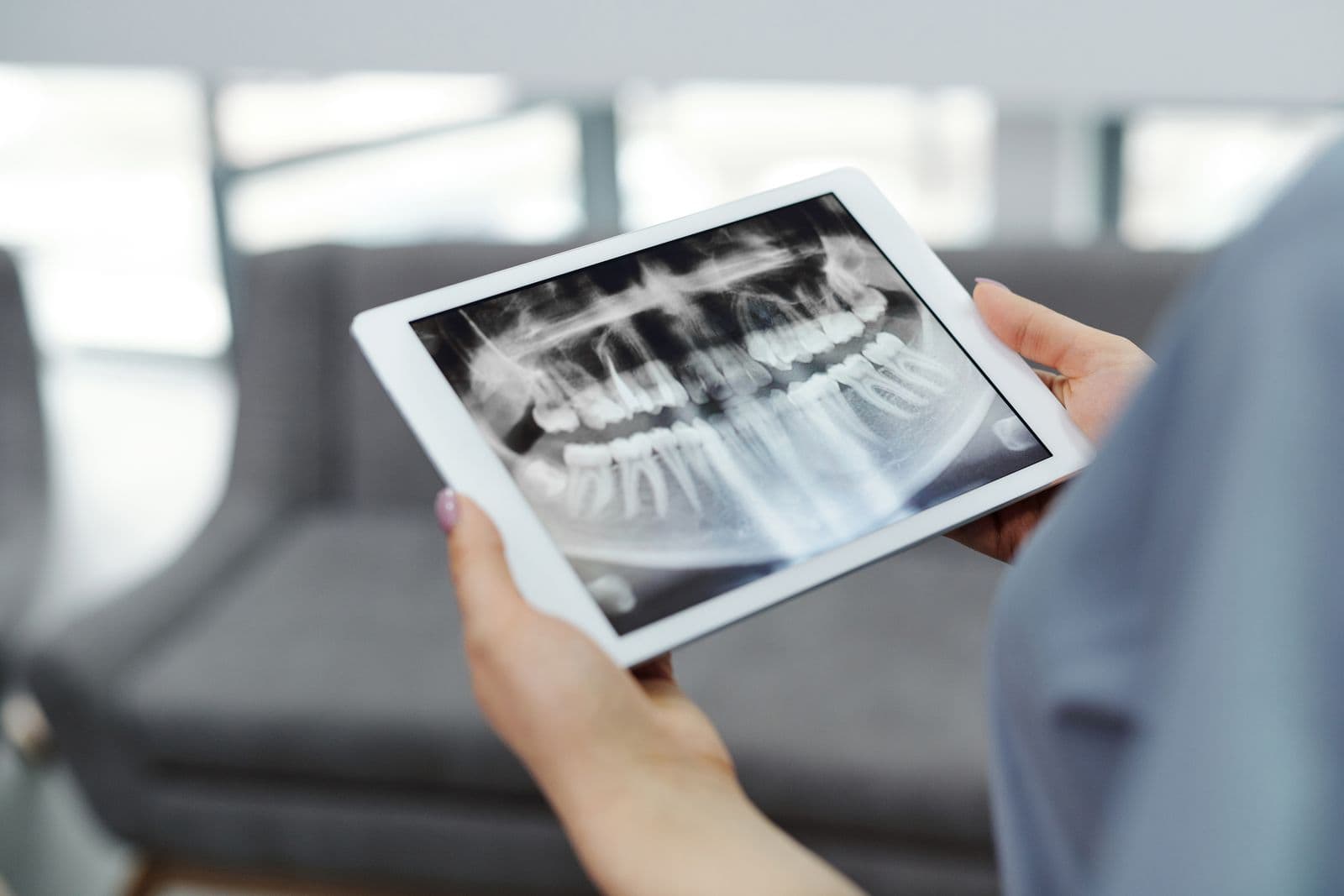
Are Dental X-Rays Harmful? A Guide to Radiation Doses and Safety
Worried about getting a dental X-ray? This guide covers the actual radiation doses of panoramic X-rays and CBCT scans, safety principles during pregnancy and childhood, and the protective measures taken in modern clinics.