
Table of Contents
- What Is Gum Inflammation (Gingivitis)?
- What Are the Symptoms of Gum Inflammation?
- What Causes Gum Inflammation?
- What Is the Difference Between Gingivitis and Periodontitis?
- Who Is at Higher Risk of Gum Inflammation?
- How Is Gum Inflammation Treated? The Professional Treatment Process
- What Helps Gum Inflammation? Supportive Care at Home
- Do Antibiotics Cure Gum Inflammation?
- How Can You Prevent Gum Inflammation?
- Frequently Asked Questions About Gum Inflammation
What Is Gum Inflammation (Gingivitis)?
If your gums bleed when you brush and look red and puffy in the mirror instead of a healthy pink, you are most likely looking at the early stage of gum disease. Gum inflammation (gingivitis) is an inflammatory reaction of the gum tissue to bacterial plaque accumulating on the tooth surface, and it is one of the most common oral health problems in adults.
The most important characteristic of gingivitis is that at this stage the inflammation is limited to the soft tissue of the gum; the supporting structures that anchor the tooth to the jawbone have not yet suffered permanent damage. For this reason, gum inflammation that is recognised early can, in most cases, be completely reversed with the right treatment and consistent oral care.
If the problem is left untreated, however, the picture can change: the inflammation may deepen and progress into the bone and connective tissue beneath the gum, entering a far less reversible stage called periodontitis. In this guide we walk through the symptoms, causes and treatment of gingivitis step by step, and explain what you can do at home.
What Are the Symptoms of Gum Inflammation?
Gingivitis usually progresses silently; the absence of noticeable pain in the early stage means many people overlook the problem for a long time. Instead of waiting for pain, it is important to watch for the following signs:
Healthy gums are light pink, hug the teeth firmly and do not bleed during brushing. Inflamed gums, by contrast, may show these symptoms:
- Bleeding during brushing or flossing — we cover the causes of bleeding gums in detail in a separate guide
- Redness of the gums; the healthy pink turning dark red or purplish
- Swelling, oedema and a shiny, tight appearance of the gum
- Sensitivity to touch and to hot and cold
- Bad breath or an unpleasant taste that persists despite brushing
- The gum margin beginning to detach slightly from the tooth
- In advanced cases, gum recession and teeth appearing longer
What Causes Gum Inflammation?
The primary cause of gingivitis is bacterial plaque accumulating on the tooth surface and along the gum line. Plaque is a soft, colourless film of bacteria, saliva and food debris that adheres to the teeth. When it is not removed by daily brushing and interdental cleaning, the toxins produced by the bacteria irritate the gum tissue; the body responds to this irritation with redness, swelling and bleeding — in other words, inflammation.
Plaque that is not cleaned away hardens with the minerals in saliva and turns into tartar (calculus). The rough surface of tartar provides an ideal base for new plaque to build up, and it cannot be removed with a toothbrush; from that point on, only professional cleaning is effective. You can read in detail how tartar forms and how it is removed in our guide to dental scaling.
Although plaque is the main factor, it does not act alone. Incorrect brushing habits, irregular interdental cleaning, a diet high in sugar and acid, dry mouth, smoking, certain medications and hormonal changes can amplify the gum's response to plaque and make inflammation more likely to develop.
What Is the Difference Between Gingivitis and Periodontitis?
Gum disease is not a single condition but a process, and it is examined in two main stages. In the first stage, gingivitis, the inflammation is confined to the soft tissue of the gum; there is no loss of the bone supporting the tooth. With proper treatment this stage can usually heal without a trace — the gum can return to its healthy state.
Untreated gingivitis can progress over time into periodontitis. At this stage the inflammation moves below the gum line; deep periodontal pockets form between tooth and gum where bacteria settle, and the connective tissue and jawbone holding the tooth begin to break down. Symptoms can include gum recession, exposed tooth necks, loosening teeth and gaps opening between teeth.
The most critical difference between the two stages is reversibility: in gingivitis no tissue has been lost and the condition can resolve completely; in periodontitis, bone that has been destroyed does not grow back on its own. The goal of treatment at that stage is to halt the inflammation and preserve the remaining support. This is why taking early warning signs such as bleeding gums seriously is the most important way to solve the problem before advanced treatment becomes necessary.
Who Is at Higher Risk of Gum Inflammation?
Gingivitis can occur at any age; however, certain conditions increase the gum's inflammatory response to bacterial plaque and raise the risk:
- Smoking and tobacco products: They reduce blood flow in the gum tissue, slow healing and can mask warning signs such as bleeding, allowing the disease to progress silently
- Diabetes: When blood sugar control is poor, the risk of gum disease rises significantly; gum inflammation can in turn make blood sugar harder to manage
- Hormonal changes: During pregnancy, puberty and menopause the gums can become more sensitive to plaque
- Certain medications: Drugs that reduce saliva, as well as some blood pressure and epilepsy medications, can affect gum tissue; it is important to tell your dentist which medications you take
- Dry mouth: When the protective, cleansing effect of saliva decreases, plaque builds up faster
- Genetic predisposition and conditions affecting the immune system: People with a family history of gum disease may be at higher risk
- Intense stress and poor nutrition: These can reduce the body's capacity to cope with inflammation
How Is Gum Inflammation Treated? The Professional Treatment Process
The lasting solution to gum inflammation is removing the plaque and tartar that cause it. The first step of treatment is a thorough examination: the dentist measures the depth of the gum pockets, assesses areas of bleeding and recession and, if needed, checks the bone level with an X-ray. This clarifies whether the condition is still at the gingivitis stage or has progressed to periodontitis.
At the gingivitis stage, the foundation of treatment is professional dental cleaning (scaling); tartar and plaque on the tooth surfaces and along the gum line are removed with special instruments. In cases that have progressed to periodontitis, root planing (deep cleaning), in which the root surfaces beneath the gum are thoroughly cleaned, may be required; in advanced cases surgical approaches may also be considered. You can find detailed information about the gum treatments performed at our clinic on our treatment page.
After professional cleaning, the gums usually take a few weeks to recover; bleeding and redness noticeably decrease within one to two weeks in most cases. Lasting results, however, depend on keeping up daily care at home — professional cleaning is the starting point, and your daily habits determine what follows.
What Helps Gum Inflammation? Supportive Care at Home
Home remedies cannot remove tartar, the underlying cause of gum inflammation; but they can support professional treatment and help mild inflammation subside. One of the most frequently asked-about methods, a warm salt water rinse, may help soothe the gum tissue and reduce the bacterial load; half a teaspoon of salt in a glass of warm water is enough. Such measures are soothing but are no substitute for treatment.
The most effective home care is actually the most basic: brushing twice a day with a soft-bristled brush, making sure to cover the gum line, and cleaning between the teeth once a day with dental floss or interdental brushes. Our guide explaining the correct tooth brushing technique in detail can help you here.
One critical warning is needed at this point: many people avoid brushing gums that bleed, yet this is the most common mistake that makes the problem worse. Bleeding is a sign that the area needs cleaning; with gentle but regular cleaning, the bleeding usually diminishes over time. If bleeding persists despite one to two weeks of consistent care, a dental examination is warranted.
Do Antibiotics Cure Gum Inflammation?
For many people who notice swollen, bleeding gums, the first question is whether they should take antibiotics. The essential point to understand is this: the treatment of gum inflammation is mechanical — it relies on physically removing the plaque and tartar that cause the inflammation. Antibiotics cannot eliminate these deposits; as long as the source remains, the inflammation flares up again.
Antibiotics may be prescribed in addition to mechanical treatment only in specific situations the dentist deems necessary — for example, signs of spreading infection or certain aggressive forms of periodontitis. Taking antibiotics without a dentist's recommendation not only fails to resolve the condition but also contributes to serious problems such as antibiotic resistance. For gum complaints, the right address is not medication but a dental examination.
How Can You Prevent Gum Inflammation?
Gum inflammation is largely a preventable problem. A few habits built into your daily routine will help keep your gums healthy for many years:
- Brush your teeth twice a day for at least two minutes, using a soft-bristled brush angled at 45 degrees towards the gum line
- Use dental floss or an interdental brush once a day — a toothbrush cannot reach the plaque between teeth
- Cut down on sugary and acidic foods and drinks; limit between-meal snacking
- Stay away from smoking and tobacco products
- Drink plenty of water; if you experience dry mouth, mention it to your dentist
- Even without any complaints, go for regular dental check-ups — early-stage inflammation is often only detected during an examination
Frequently Asked Questions About Gum Inflammation
We have briefly answered the questions we hear most often about gum inflammation. Since every mouth and every case of inflammation is different, your individual assessment is made through a dental examination.
Does gum inflammation go away on its own? Usually not. As long as the plaque and tartar causing the inflammation remain in the mouth, the condition does not resolve by itself and tends to progress over time. In the early stage, consistent and correct oral care can reduce the symptoms, but once tartar has formed, professional cleaning is required.
How many days does gum inflammation take to heal? After professional cleaning and consistent home care, early-stage signs of inflammation noticeably subside within one to two weeks in most cases. Healing time depends on the extent and stage of the inflammation and on individual factors; a personalised outlook is assessed through a dental examination.
Does rinsing with salt water help gum inflammation? A warm salt water rinse may help soothe inflamed tissue and ease swelling; however, since it does not remove the source of the inflammation, it does not count as a treatment on its own. It can be used as a supportive measure, but a lasting solution requires a dentist's assessment.
Can gum inflammation cause tooth loss? If treated at the gingivitis stage, tooth loss is not expected. Untreated inflammation, however, can progress to periodontitis; at that stage the bone holding the tooth erodes, which can lead to loosening and, over time, tooth loss. Early treatment can largely prevent this progression.
Why is gum inflammation common during pregnancy? Hormonal changes in pregnancy amplify the gum's response to plaque; as a result, a significant proportion of pregnant women experience gum bleeding and swelling. With regular oral care and dental check-ups this condition can usually be managed; a dental examination is recommended when planning or during pregnancy.
Does gum inflammation cause bad breath? Yes, it can. Bacteria accumulating in the inflamed area produce foul-smelling compounds; bad breath that persists despite brushing can be one of the signs of gum disease. Once the inflammation is treated, the odour usually subsides as well.

This content was prepared by the dental team of our clinic in Cukurambar, Ankara. Feel free to contact us with any questions about your oral and dental health.
This content is for informational purposes only; a dental examination is required for diagnosis and treatment.
Have questions? We are happy to help.
Related Articles
Dentures (Removable Prosthesis) Guide: Types, Adjustment Period and Care
Who are dentures suitable for, how are they made, and what does the adjustment period look like? The difference between complete and partial dentures, relining a loose denture, daily care rules and implant-supported options in this comprehensive guide.
Orthodontic Treatment in Children: At What Age Are Braces Fitted?
Have you noticed crowding in your child's teeth? The right time for the first orthodontic check-up, the causes of crowding, the benefits of early treatment, appliance types and braces care — all in this comprehensive family guide.
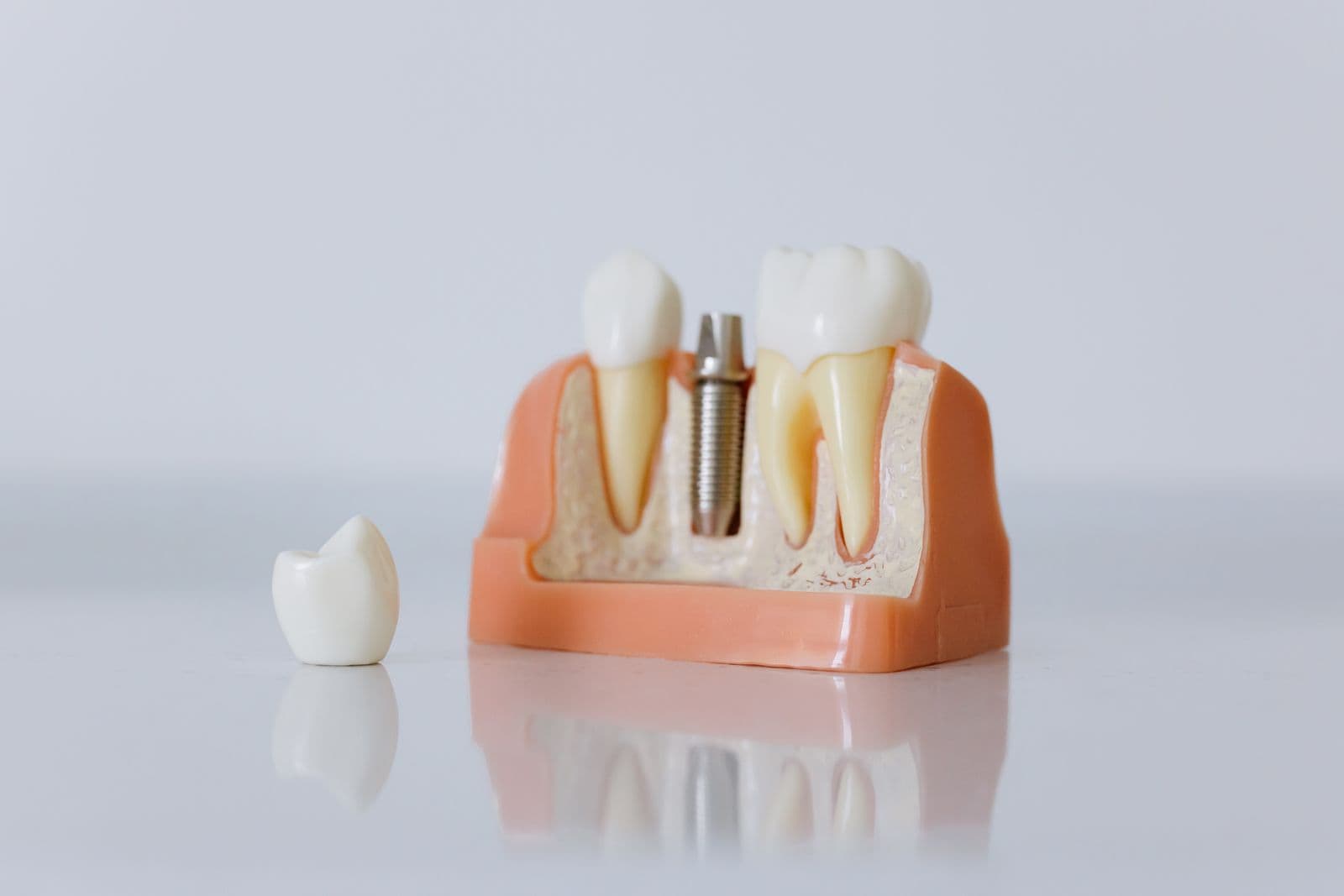
What Is a Dental Bridge? Types, Procedure Steps and Comparison with Implants
Considering a bridge or an implant for your missing teeth? In this comprehensive guide you will find the types of dental bridges, the step-by-step procedure, the finer points of cleaning under a bridge and a comparison with implants.