
Table of Contents
- What Is Dental Bonding and Why Is It So Popular?
- When Is Dental Bonding Used?
- How Is Bonding Done? The Procedure Step by Step
- How Long Does Bonding Last? Factors That Affect Its Longevity
- Bonding or Porcelain Veneers: Which One Is Right for You?
- Who Is a Good Candidate for Bonding — and Who Is Not?
- Aftercare: How Should You Look After Bonded Teeth?
- Frequently Asked Questions About Dental Bonding
What Is Dental Bonding and Why Is It So Popular?
Small imperfections in your smile — a chipped front tooth, a gap between two teeth, or a discoloured spot that whitening cannot remove — can often be corrected without extensive treatment. Dental bonding (composite bonding) is a cosmetic dentistry procedure in which tooth-coloured composite resin is applied directly to the tooth surface, sculpted by hand and hardened with a special curing light. In most cases it is completed in a single visit, and little or no natural tooth structure needs to be removed.
The material used is an aesthetically refined version of the resin-based material that has been used in composite fillings for many years. Because modern composites closely mimic the light transmission of natural enamel and dentine, carefully executed bonding can be very difficult to distinguish from the surrounding tooth. Because the composite is applied in layers, the dentist can adjust both the colour and the translucency separately in different areas of the tooth.
In this guide you will find out when bonding is preferred, how it is performed step by step, how long it lasts, how it differs from porcelain veneers, and how to care for it afterwards. Our aim is to help you form realistic expectations about the treatment before you visit the clinic.
When Is Dental Bonding Used?
Bonding has a wide range of uses, especially on the front teeth within the smile line. After an examination and, if necessary, an X-ray evaluation, your dentist will determine whether bonding is suitable for you. The assessment covers not only the tooth in question but also the smile line, lip movements, the proportions of the teeth to one another and their relationship with the opposing teeth. This is how a small touch-up produces a natural result that harmonises with the whole face.
While bonding alone may be sufficient for a small flaw on a single tooth, a comprehensive change involving several teeth is usually planned as part of an overall smile design. In gap closure, the width proportions of the teeth matter; for very wide gaps, a combination with orthodontic treatment may be recommended instead of bonding alone. The main indications include:
- Repairing chipped or notched edges of front teeth
- Closing small gaps between teeth (diastema)
- Masking localised discolouration and stains that whitening cannot remove
- Reshaping teeth that look out of proportion with their neighbours in shape or size
- Rebuilding worn, shortened incisal edges
- Covering root surfaces exposed by gum recession
- Visually compensating for minor misalignments
How Is Bonding Done? The Procedure Step by Step
One of the most appealing aspects of bonding is its simplicity: the treatment is usually completed in a single visit, takes on average 30 to 60 minutes per tooth, and — since little or no enamel is removed — most patients do not even need anaesthesia. You can use the tooth normally right after the appointment, because the composite reaches most of its final strength the moment it is light-cured. As the number of teeth treated increases, the appointment may take longer or the work may be split over more than one visit.
Most patients find the process comfortable; your dentist proceeds by explaining what is being done at each stage. A typical bonding appointment consists of the following steps:
- Examination and planning: The teeth, gums and bite are evaluated, your expectations are discussed, and the suitability of bonding is confirmed.
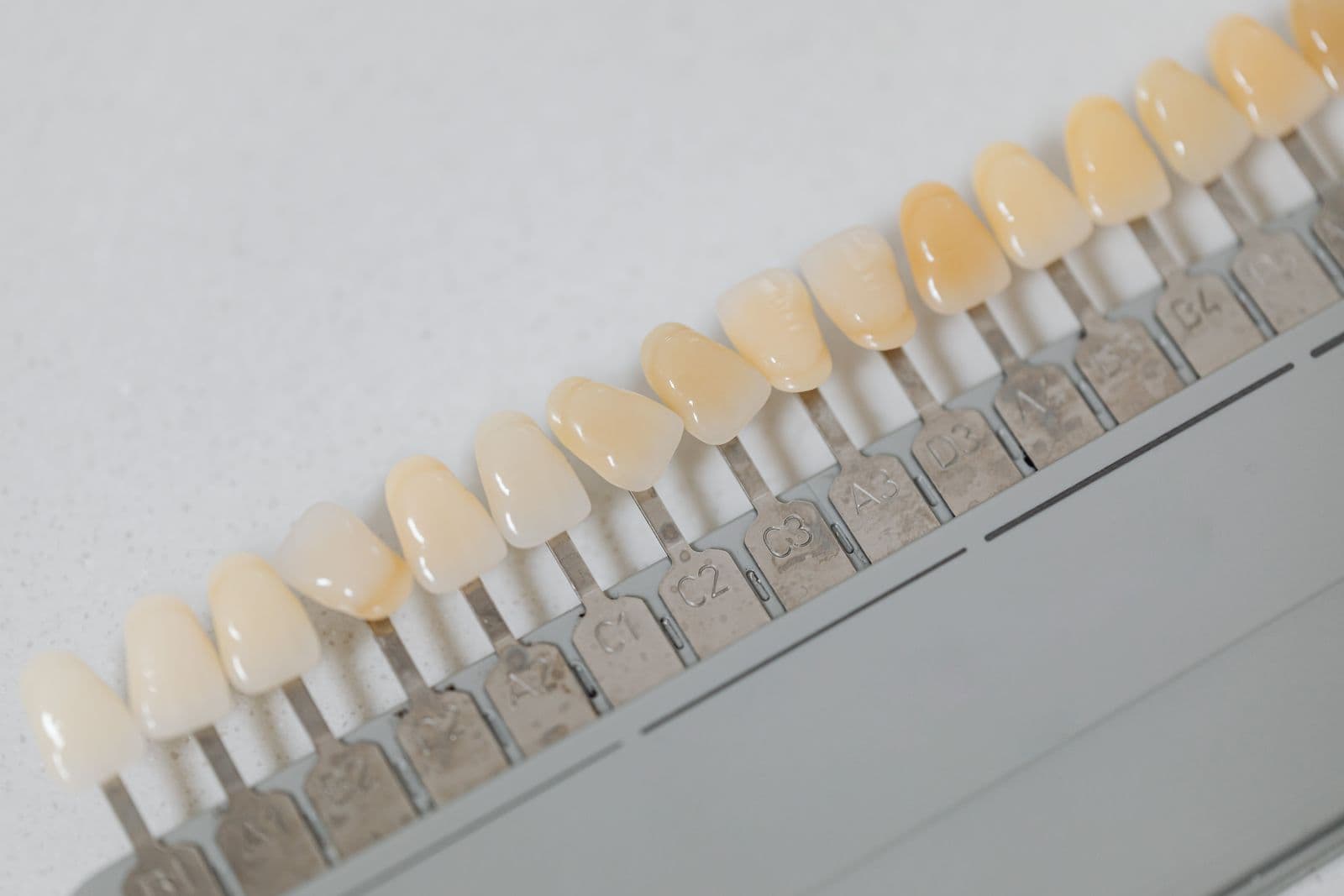
- Shade selection: Using a shade guide, the composite tone closest to your natural tooth colour is chosen; if needed, several tones are layered together.
- Surface preparation: The tooth surface is gently conditioned and a bonding agent (adhesive) is applied so the composite adheres firmly to the enamel.
- Applying the composite: The putty-like composite is placed on the tooth in thin layers and sculpted into the planned shape.
- Light curing: Each layer is hardened within seconds using a special LED curing light.
- Finishing and polishing: The bite is checked, the margins are refined and the surface is polished until it matches the natural shine of enamel.
How Long Does Bonding Last? Factors That Affect Its Longevity
Bonding is not a permanent treatment, but with proper care an average lifespan of around five years or more is usually achievable. The actual duration varies considerably from person to person: in some patients the composite keeps its form for close to ten years, while in others touch-ups or renewal may be needed within a few years. For this reason, rather than promising an exact lifespan, dentists prefer to share a realistic range based on your habits.
The main factors that determine longevity are daily oral hygiene, how much chewing force the bonded area is exposed to, habits such as tooth clenching, and how often staining substances like tea, coffee and cigarettes are consumed. Bonding on the biting edges of front teeth is under more stress when biting forces land directly on it.
An important advantage of bonding is that it is repairable: small chips and areas of wear can usually be fixed in a single visit by adding composite, without removing the whole restoration, and surface staining can largely be removed with professional polishing.
When its time is up, renewing the bonding is also a practical procedure: the old composite is carefully removed and, in most cases, a new one is applied in the same visit. Regular check-up appointments make it possible to catch minor wear and marginal staining early, so a short touch-up is often enough instead of a full renewal. The decision to renew takes into account the overall condition of the tooth and the surrounding tissues.
Bonding or Porcelain Veneers: Which One Is Right for You?
In front-tooth aesthetics, the alternative most often compared with bonding is the porcelain laminate veneer. The fundamental difference lies in the material and the way it is made: bonding is completed in a single visit with composite shaped directly in the mouth by the dentist, whereas laminate veneers are fabricated from porcelain in a laboratory after impressions are taken, and bonded to the teeth at a separate appointment.
Porcelain is generally a more predictable material in terms of colour stability, lasting surface gloss and wear resistance; on the other hand, a thin layer of tooth structure may need to be removed from the front surface for a veneer. Bonding stands out for preserving virtually all of the tooth structure, being finished in one visit and being easy to repair if damaged.
The right question here is not which method is better in general, but which is more suitable for your teeth, your bite and your expectations. The degree of discolouration, existing loss of tooth structure, chewing forces and aesthetic goals are weighed together, and the decision is made through a dental examination. When comparing the two, it is worth considering not just the appearance on day one but also the maintenance needs over the years.
In teeth with very large structural loss, previous root canal treatment or structural weakening, both bonding and veneers may fall short; in that case, more comprehensive restorations such as zirconia or all-ceramic crowns that encase the whole tooth come into consideration. At the examination, your dentist will discuss with you which option is more suitable for the long-term health of your tooth.
Who Is a Good Candidate for Bonding — and Who Is Not?
Patients with healthy gums, a balanced bite and a limited number of flaws they would like corrected are generally good candidates for bonding. Which approach takes priority in your case is assessed individually through a clinical examination and any necessary imaging. Age alone is not a barrier; bonding can be used in a wide group of patients, from young adults whose teeth have finished developing to patients of advanced age.
In some situations, however, your dentist may recommend another treatment first or suggest a different method:
- In people with pronounced tooth clenching and grinding (bruxism), composite edges can be overloaded; protective measures such as a night guard may be added to the plan.
- With significant bite problems or crowding, an orthodontic evaluation may be needed before any cosmetic work.
- Where discolouration is widespread or large amounts of tooth structure are missing across many teeth, porcelain restorations may deliver a more predictable result.
- Active decay or gum inflammation must be treated before any aesthetic procedure.
Aftercare: How Should You Look After Bonded Teeth?
The key to extending the life of your bonding is to give the composite surfaces the same care you give your natural teeth. One detail worth knowing: composite is not affected by whitening gels. If you are unhappy with the overall colour of your teeth, having teeth whitening first and then choosing the bonding shade to match the new tone is usually the better order. Proper care protects not only the aesthetics but also the health of the tooth structure along the composite margins.
The following habits help the bonding keep both its colour and its shape:
- For the first 48 hours, limit strongly staining foods and drinks such as tea, coffee, red wine and dark fruit juices; the composite has not yet reached full colour stability during this period.
- Avoid habits such as nail biting, chewing on pens or opening packaging with your teeth, and do not crack nuts or ice with your front teeth.
- Prevent plaque build-up with twice-daily brushing and regular flossing; plaque accumulating along composite margins encourages both staining and decay.
- Avoid using highly abrasive (whitening, high-RDA) toothpastes continuously, as they can gradually dull the polish of the composite.
- Smoking noticeably accelerates staining on composite surfaces.
- A check-up and professional polishing every six months removes surface stains before they can set in.
Frequently Asked Questions About Dental Bonding
Here are brief answers to the questions we hear most often about bonding. Since every mouth is different, the right plan for you is determined through a dental examination.
Is bonding permanent, and how many years does it last? Bonding is long-lasting rather than permanent. Depending on oral care and habits, an average lifespan of around five years or more is usually achievable, and worn or slightly damaged areas can in most cases be repaired easily.
Does bonding damage the teeth? Because little or no material is removed from the tooth surface, bonding is considered one of the most tooth-preserving aesthetic methods. Healthy tooth structure is largely retained, and the treatment can be renewed when necessary.
Is the bonding procedure painful? Since most bonding treatments involve no drilling, pain is not expected and anaesthesia is usually unnecessary. When bonding is combined with decay removal or applied close to sensitive areas, your dentist may use local anaesthesia for your comfort.
Does bonding turn yellow over time? Composite picks up stains more easily than porcelain, and its tone may darken over time with tea, coffee and smoking. Superficial discolouration can largely be removed with professional polishing during routine check-ups.
What happens if the bonding chips or breaks? Small chips and worn spots can usually be repaired in a single visit by adding composite to the area, without replacing the whole restoration. Depending on the size and cause of the damage, your dentist will decide whether a repair or a renewal is appropriate.
What is the difference between bonding and laminate veneers, and which should I choose? Bonding is done with composite shaped directly in the mouth in one visit, while laminate veneers are thin porcelain shells made in a laboratory. Porcelain has the edge in colour stability and wear resistance, bonding in tooth preservation, repairability and treatment time; the choice is made individually through a dental examination.

This content was prepared by the dental team of our clinic in Cukurambar, Ankara. Feel free to contact us with any questions about your oral and dental health.
This content is for informational purposes only; a dental examination is required for diagnosis and treatment.
Have questions? We are happy to help.
Related Articles
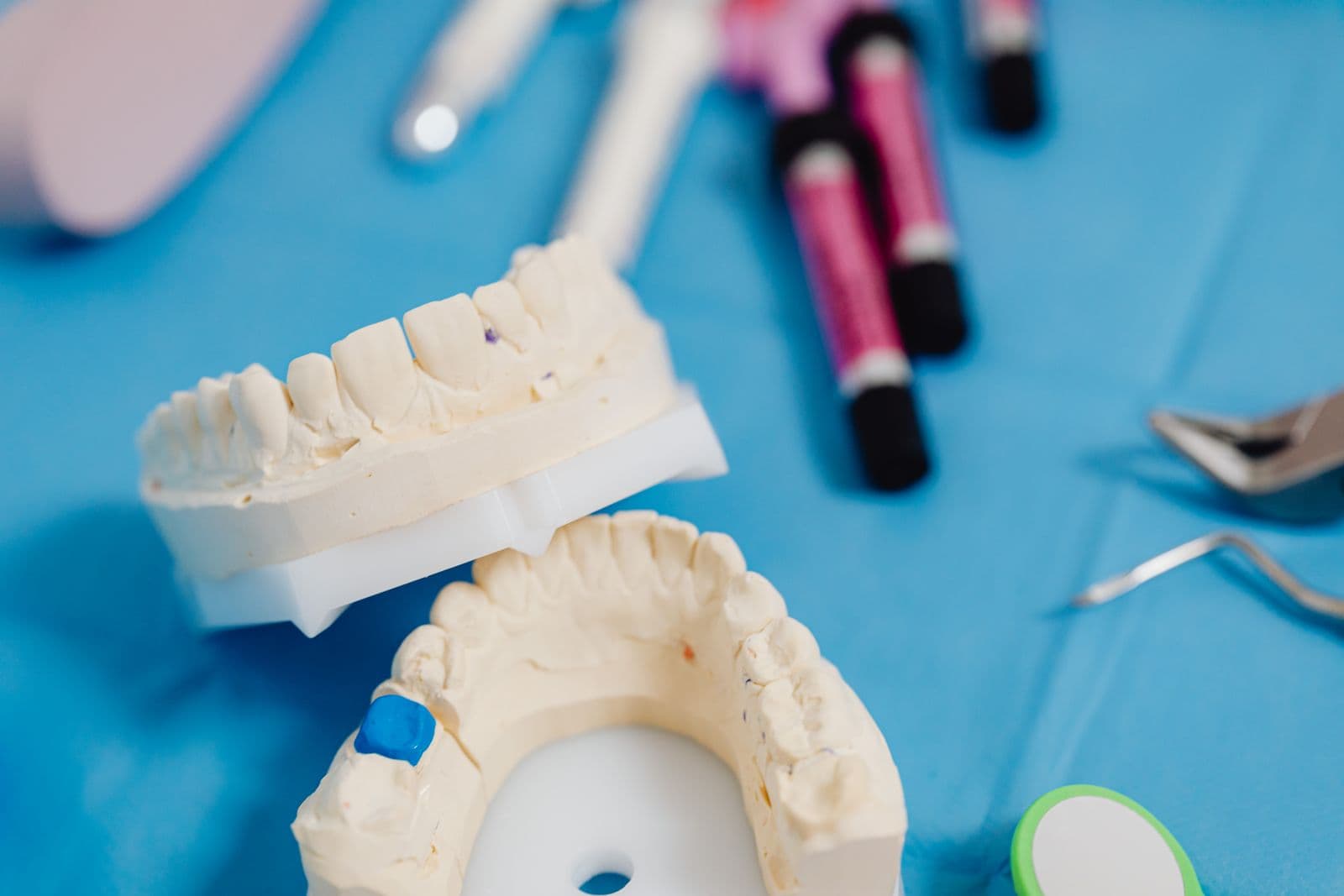
Dentures (Removable Prosthesis) Guide: Types, Adjustment Period and Care
Who are dentures suitable for, how are they made, and what does the adjustment period look like? The difference between complete and partial dentures, relining a loose denture, daily care rules and implant-supported options in this comprehensive guide.
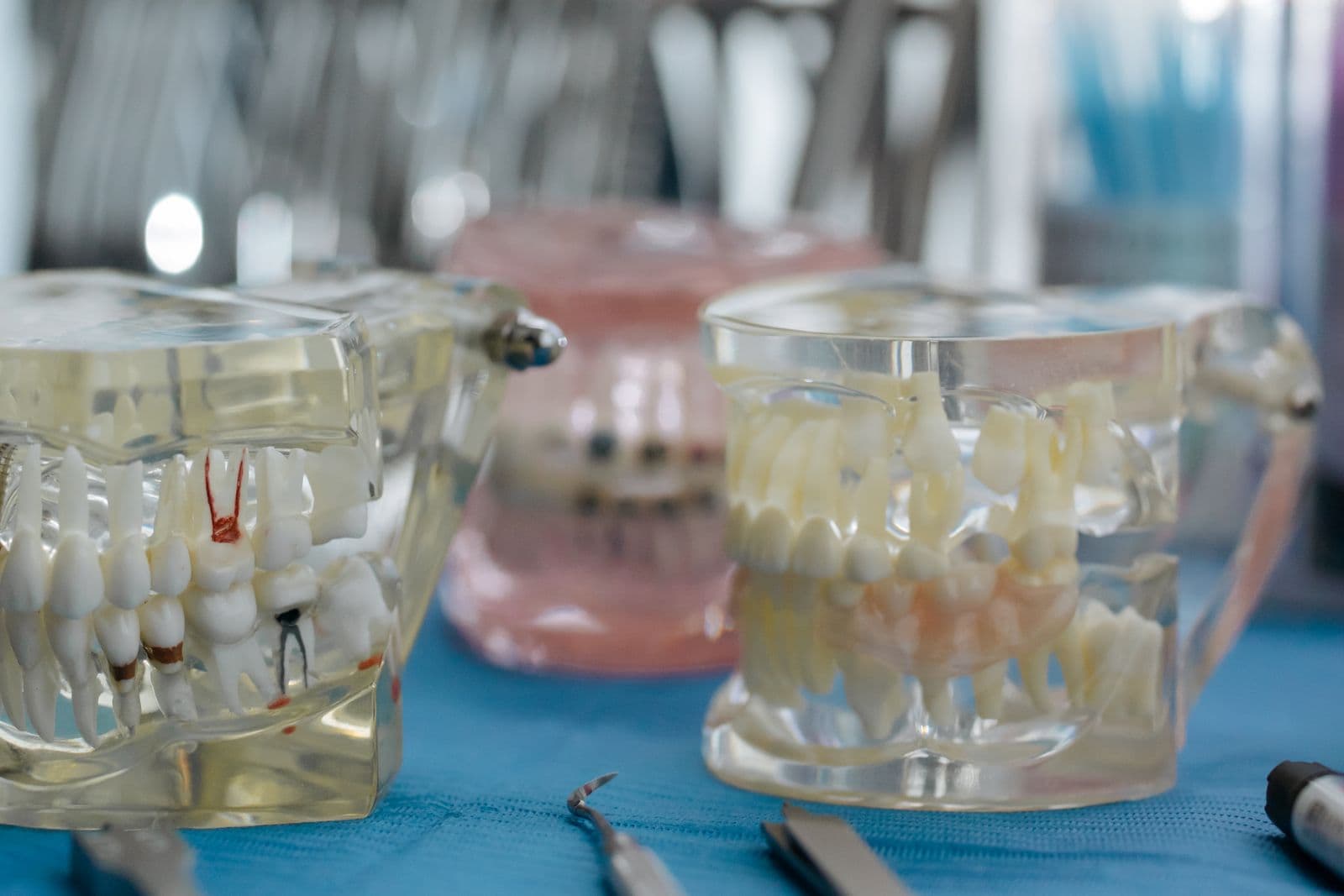
Orthodontic Treatment in Children: At What Age Are Braces Fitted?
Have you noticed crowding in your child's teeth? The right time for the first orthodontic check-up, the causes of crowding, the benefits of early treatment, appliance types and braces care — all in this comprehensive family guide.
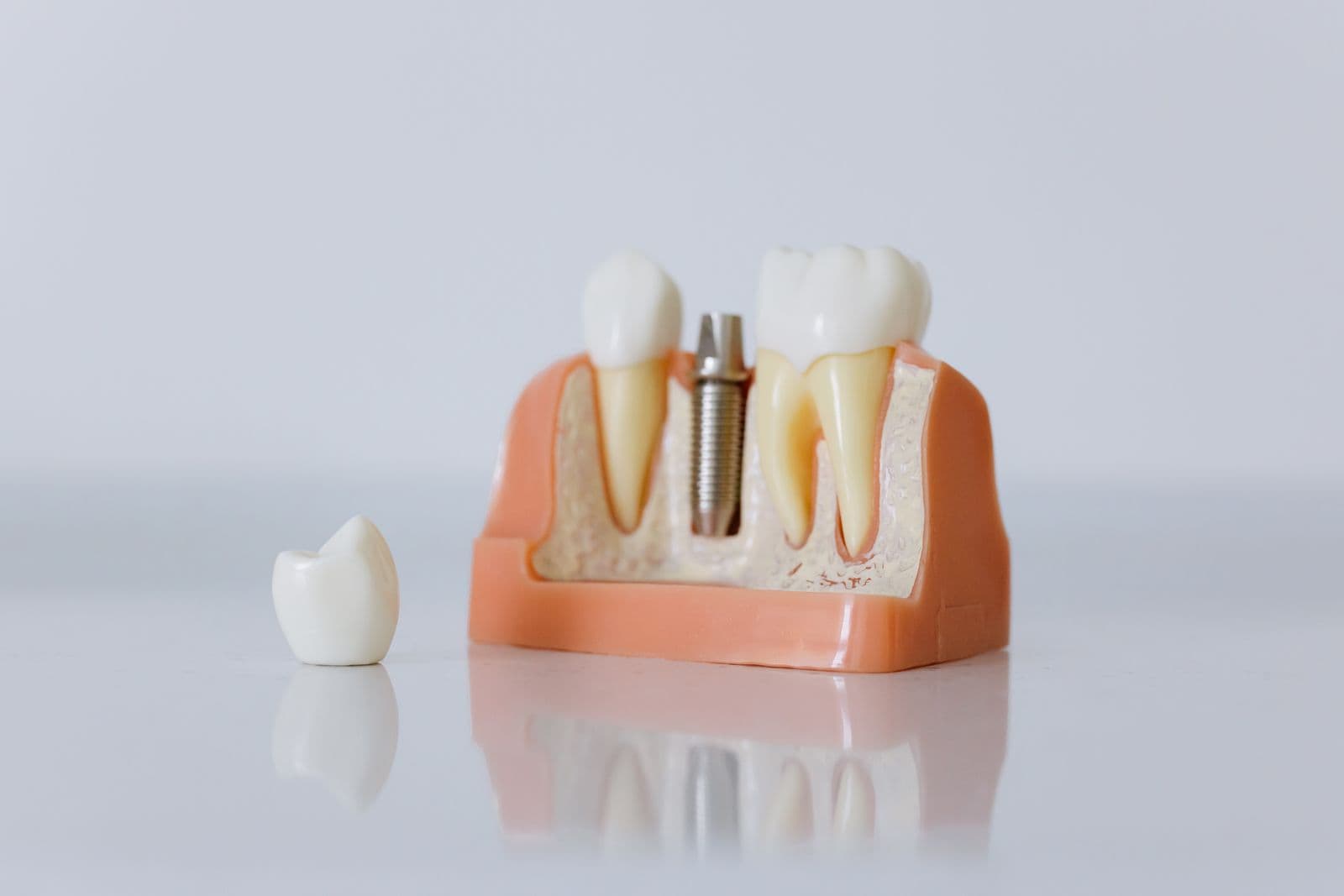
What Is a Dental Bridge? Types, Procedure Steps and Comparison with Implants
Considering a bridge or an implant for your missing teeth? In this comprehensive guide you will find the types of dental bridges, the step-by-step procedure, the finer points of cleaning under a bridge and a comparison with implants.