
Table of Contents
- What Is a Laminate Veneer and How Does It Work?
- Which Problems Are Veneers Best Suited To?
- Veneers vs Zirconia Crowns: What Actually Differs?
- The Minimally Invasive Philosophy: Why 'Touching Less' Matters
- The Process Step by Step: From Mock-up to Bonding
- Who Is Not a Good Candidate?
- How Long Do Veneers Last, and How Do You Care for Them?
- Frequently Asked Questions About Veneers
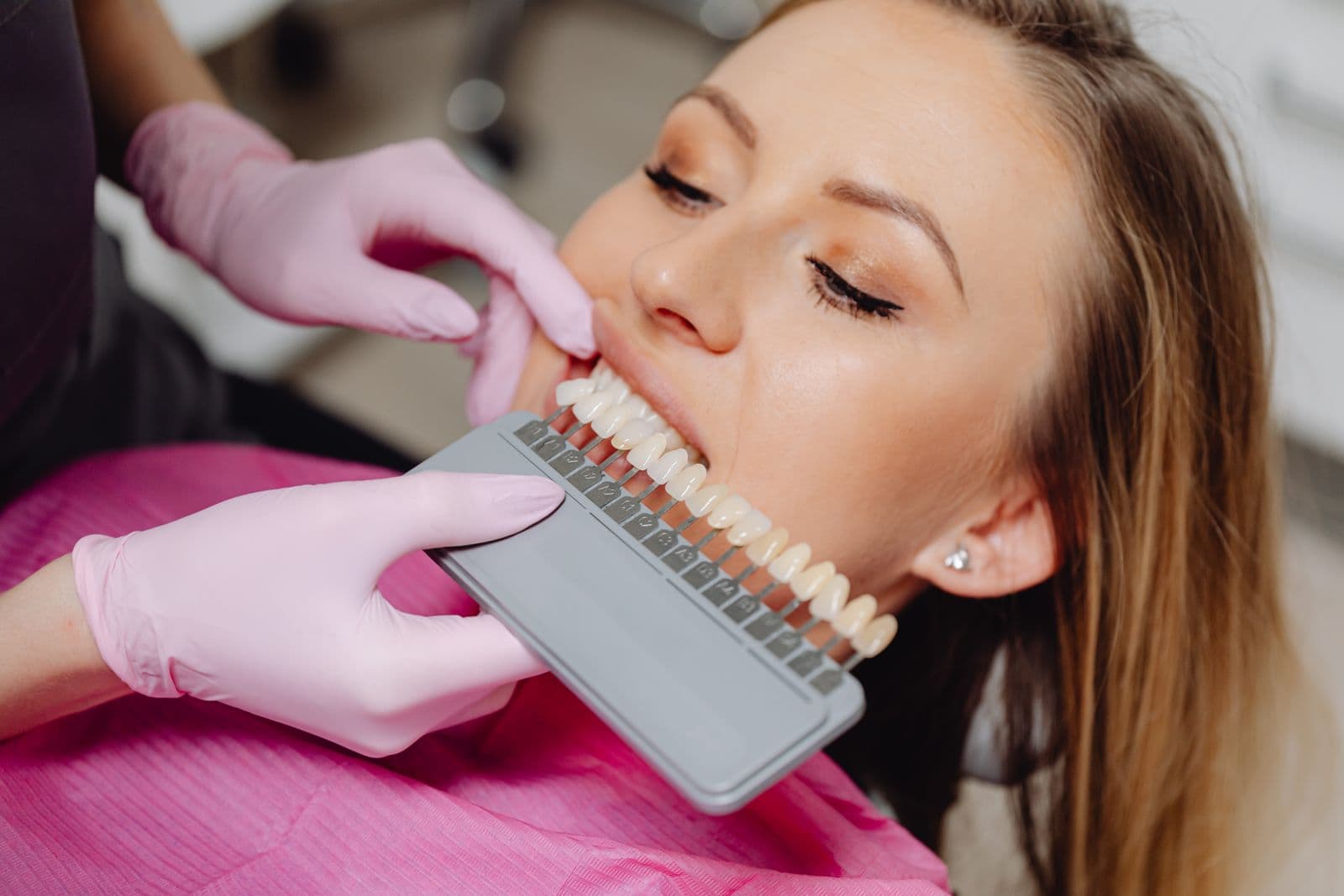
If the colour or shape of your teeth bothers you, but the idea of having them heavily ground down for crowns puts you off, laminate veneers may be exactly what you have been looking for. A porcelain laminate veneer is an ultra-thin ceramic shell — typically 0.3 to 0.7 millimetres thick — bonded to the visible front surface of a tooth. That is roughly the thickness of a contact lens, and it is this thinness that allows veneers to change the colour, shape and proportions of a smile while sacrificing as little natural tooth structure as possible.
In this guide we explain what veneers are, which problems they are best suited to, how they differ from zirconia crowns, what the treatment process looks like step by step, and who should think twice. Our aim is not marketing copy but a practical resource — one that does not replace a clinical examination, yet helps you ask the right questions when you have one.
What Is a Laminate Veneer and How Does It Work?
A laminate veneer covers only the visible front surface of the tooth, sometimes extending over the biting edge. This is the fundamental difference from a crown: a crown wraps around the entire tooth 360 degrees, whereas a veneer leaves the back and side surfaces — and the healthy enamel on them — largely untouched.
The strength of a veneer comes from adhesive technology. The thin porcelain is chemically bonded to enamel with specialised resin cements, and once that bond is established, the restoration can become remarkably resistant to chewing forces despite its thinness. Modern glass ceramics such as lithium disilicate transmit light in a way that closely mimics natural enamel, which is why a well-planned veneer can look convincingly natural rather than obviously 'done'.
One important point: a veneer is not a product you buy off the shelf — it is a treatment plan. The same porcelain shell that serves reliably for many years in the right case can fail early in the wrong one. The decision should therefore always follow a clinical examination and, where needed, radiographic assessment, made together with your dentist.
Which Problems Are Veneers Best Suited To?
Veneers are not the answer to every aesthetic concern, but in certain situations they are the option of first choice. The common thread is this: the tooth itself is structurally sound, and the problem is mainly about how the front surface looks.
For colour issues, the advantage of veneers is their ability to mask intrinsic discolouration that does not respond to whitening — tetracycline staining, darkening after root canal treatment, or fluorosis, for example. For shape and size issues, short, worn or congenitally small teeth (such as peg laterals) can be restored to ideal proportions.
- Permanent discolouration and staining that whitening cannot resolve
- Gaps between teeth (diastema) and uneven spacing
- Chipped, cracked or worn incisal edges
- Mild crowding or rotations in suitable cases where orthodontics is declined
- Shape irregularities: small, short or asymmetrical teeth
- Aesthetic replacement of old, discoloured composite fillings
Veneers vs Zirconia Crowns: What Actually Differs?
One of the questions we hear most often is: 'Should I get veneers or zirconia crowns?' In reality these two treatments are not rivals — they are different answers to different problems. The core distinction lies in how much tooth structure must be removed and in the indication.
For a veneer, usually only about 0.3–0.7 mm is removed from the front surface of the tooth; in selected cases a no-preparation ('prepless') approach may even be possible. A zirconia crown, because it encircles the whole tooth, requires roughly 1–2 mm of reduction on all surfaces. By its very nature, a veneer preserves more healthy tissue.
The balance shifts on the indication side: teeth with large fillings, previous root canal treatment, extensive structural loss or heavy occlusal load are often more predictably restored with a full crown, whether zirconia or all-ceramic. Where the tooth is sound and the problem is superficial and aesthetic, the veneer comes to the fore. Which option suits you depends on the amount of remaining tooth structure, your bite relationship and your expectations — and is determined by your dentist after examination.
The Minimally Invasive Philosophy: Why 'Touching Less' Matters
One of the guiding principles of modern dentistry is preserving healthy tissue wherever possible. Enamel does not regenerate; once it is removed, it is gone for good. The philosophy of veneer treatment is built precisely on this point: reaching the desired aesthetic result with the least possible loss of tooth structure.
In practice, minimal invasiveness means planning the reduction 'through the mock-up'. The target smile is designed first and trialled temporarily on the teeth, and enamel is then removed only where — and only as deeply as — that target shape requires. The preparation is tailored to your tooth, not to a generic template.
Keeping the preparation within enamel carries an additional advantage: the bond between porcelain and enamel is generally stronger than the bond between porcelain and dentine. Cutting less therefore not only preserves tissue but may also contribute to the long-term retention of the restoration.
The Process Step by Step: From Mock-up to Bonding
Veneer treatment usually spans several appointments and is heavily weighted towards planning. The stage that must not be rushed is not manufacturing but design — because that is where the naturalness of the result is largely decided.
A typical treatment sequence looks like this:
- Examination and planning: assessment of tooth and gum health, radiographs where needed, and a discussion of your expectations
- Digital design and mock-up: the target smile is trialled temporarily in your mouth so you can see and comment on the shape
- Minimal preparation: fine reduction guided by the mock-up, mostly confined within enamel
- Impressions and temporaries: digital or conventional impressions, with temporary protection for sensitive teeth
- Try-in: the veneers are checked in the mouth for colour, form and fit, with fine adjustments if required
- Adhesive cementation: after your approval, the veneers are bonded with specialised resin cement and the bite is verified
Who Is Not a Good Candidate?
Honest patient information must not skip the question of who should avoid veneers. The best-known limitation is bruxism: in people who clench or grind their teeth at night, thin porcelain is exposed to repeated excessive forces and carries a higher risk of fracture or debonding. This does not automatically rule veneers out, but protective measures — controlling the habit and wearing a night guard — must be part of the plan, and the decision rests on your dentist's assessment.
Bite (occlusion) problems are another critical threshold. Where the upper and lower front teeth meet edge to edge, or where a reverse bite exists, the load on the incisal edges may be unfavourable for veneers. Similarly, in cases of significant crowding, trying to 'straighten' teeth with veneers would demand excessive reduction, so orthodontic treatment may be recommended first.
Other situations requiring caution include extensive or large fillings, insufficient enamel, untreated gum disease, active decay, and habits such as nail biting or pen chewing. None of these is necessarily an absolute barrier, but each must be addressed before treatment.
How Long Do Veneers Last, and How Do You Care for Them?
Long-term follow-up studies in the scientific literature show that porcelain veneers placed with the right indication and technique can remain in function at high survival rates beyond ten years. That said, no restoration can come with a lifetime promise; durability varies with your bite characteristics, habits and home care.
The good news on maintenance: veneers do not demand a special routine — the care you give your natural teeth is enough. Brushing twice a day, using floss or interdental brushes, and attending regular check-ups form the basic framework. Porcelain itself does not stain, but the margins along the bonding line can be affected over time, which is why hygiene matters.
What to avoid is equally clear: opening packaging with your teeth, cracking nuts, or chewing ice concentrates force on a small point and can fracture porcelain — just as it can fracture natural enamel. For those with a history of bruxism, consistently wearing the night guard your dentist recommends is one of the most valuable habits for supporting the lifespan of your veneers.
Frequently Asked Questions About Veneers
'Will my teeth decay under veneers?' No — a veneer does not cause decay. The risk comes not from the veneer itself but from plaque accumulating along the margins when oral hygiene is inadequate. With good home care, veneered teeth can be protected just like natural ones.
'Will my teeth be filed down to tiny stumps?' This is the most widespread myth about veneers, and it usually stems from confusion with crown preparations. Veneer reduction typically stays below a millimetre and within enamel; in suitable cases no reduction may be needed at all. Even so, it is important to decide knowing that part of the procedure is irreversible.
'Does getting veneers hurt?' The procedure is generally performed comfortably under local anaesthesia. Mild sensitivity to hot and cold may follow for a few days; persistent pain is not expected and should be reported to your dentist. And 'can veneers be whitened?' — no: porcelain holds its colour but does not respond to whitening gels, which is why any tooth whitening is best completed before veneers are made.
In summary, laminate veneers are a tissue-friendly aesthetic option that, in the right patient, can change a great deal with a minimal touch. Whether they are right for you can only be clarified through a clinical examination. At ADEN Dental in Çukurambar, Ankara, our priority is to explain the options transparently — pros and cons alike — so that the decision is made by you, with accurate information.

This content was prepared by the dental team of our clinic in Cukurambar, Ankara. Feel free to contact us with any questions about your oral and dental health.
This content is for informational purposes only; a dental examination is required for diagnosis and treatment.
Have questions? We are happy to help.
Related Articles
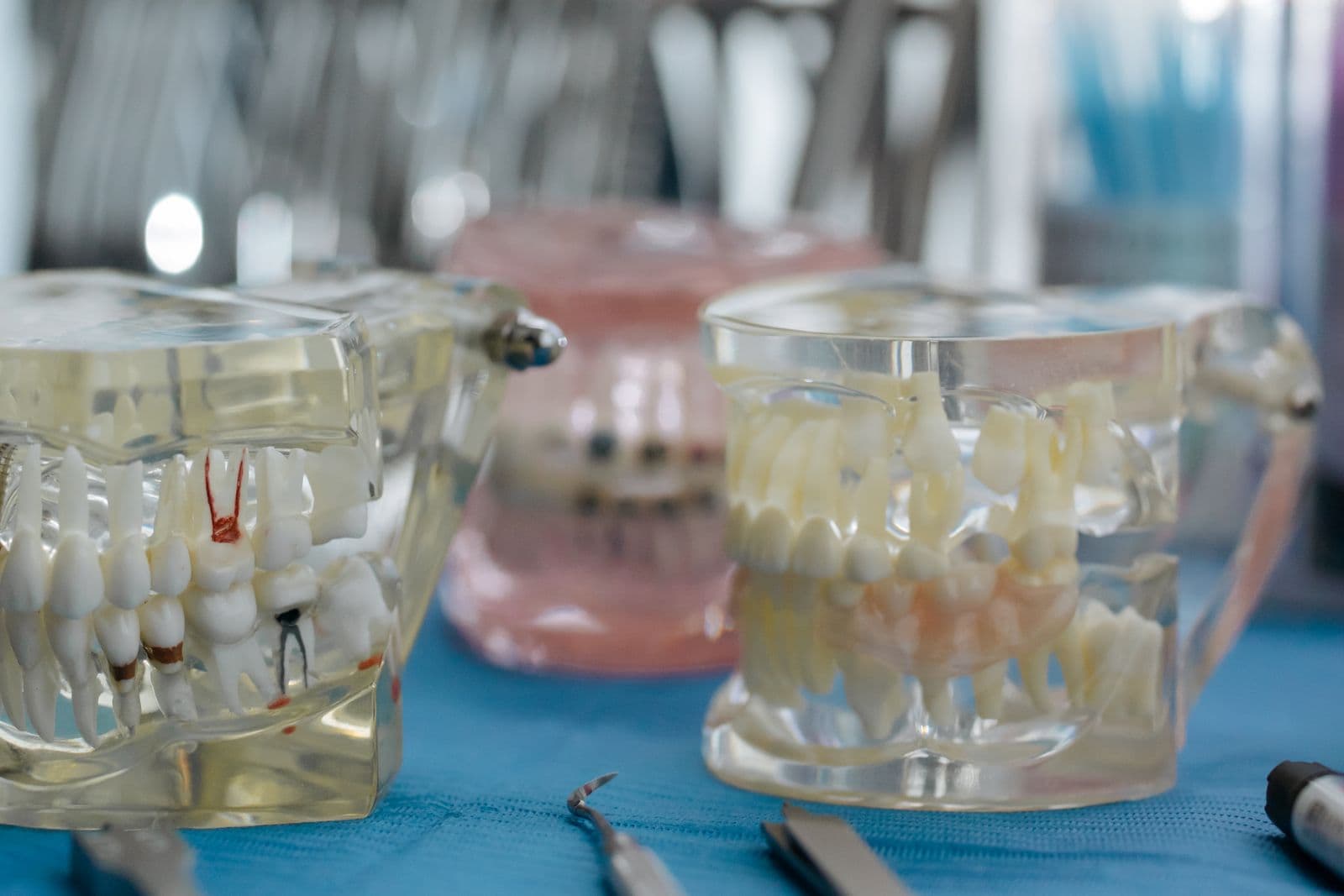
Orthodontic Treatment in Children: At What Age Are Braces Fitted?
Have you noticed crowding in your child's teeth? The right time for the first orthodontic check-up, the causes of crowding, the benefits of early treatment, appliance types and braces care — all in this comprehensive family guide.
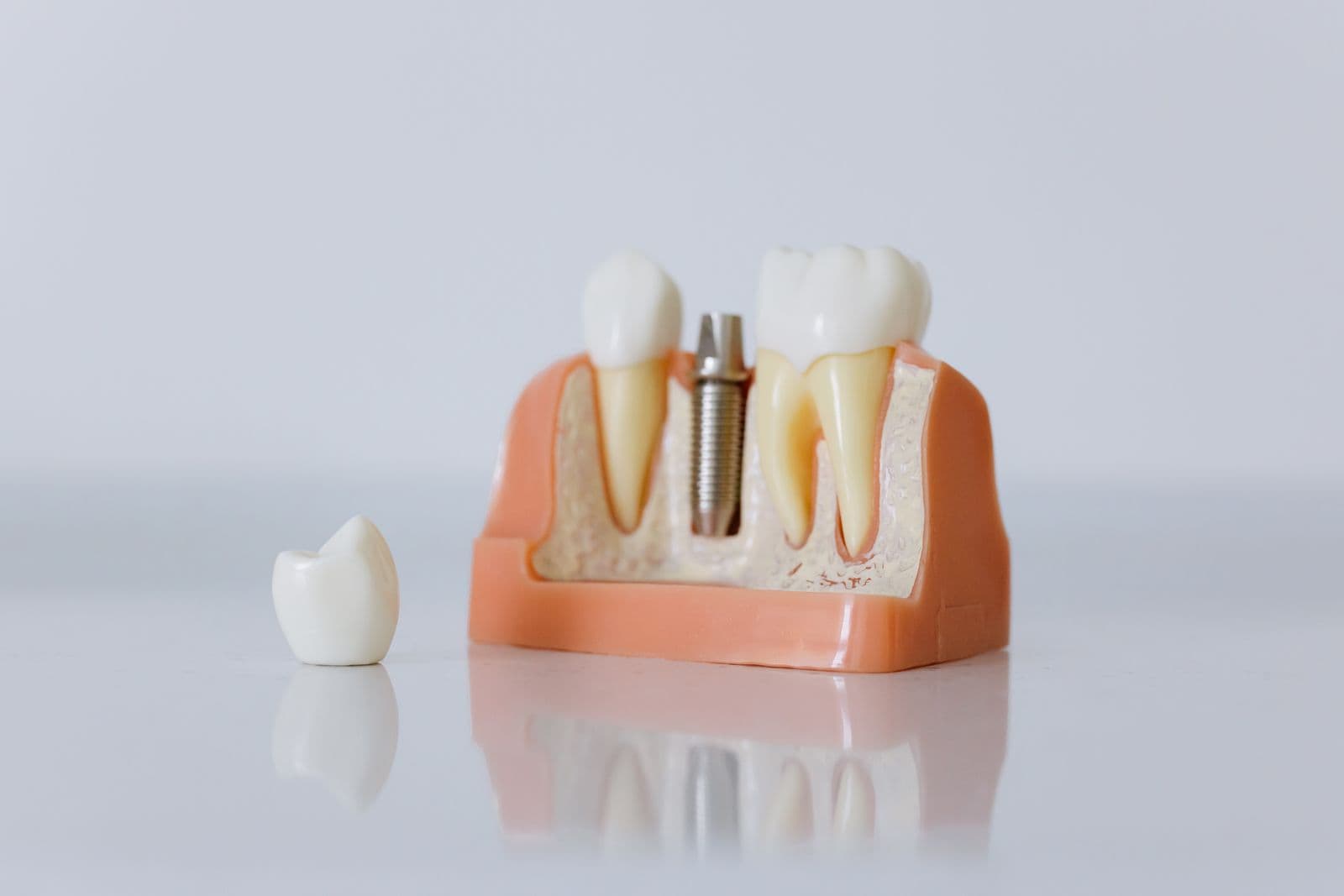
What Is a Dental Bridge? Types, Procedure Steps and Comparison with Implants
Considering a bridge or an implant for your missing teeth? In this comprehensive guide you will find the types of dental bridges, the step-by-step procedure, the finer points of cleaning under a bridge and a comparison with implants.
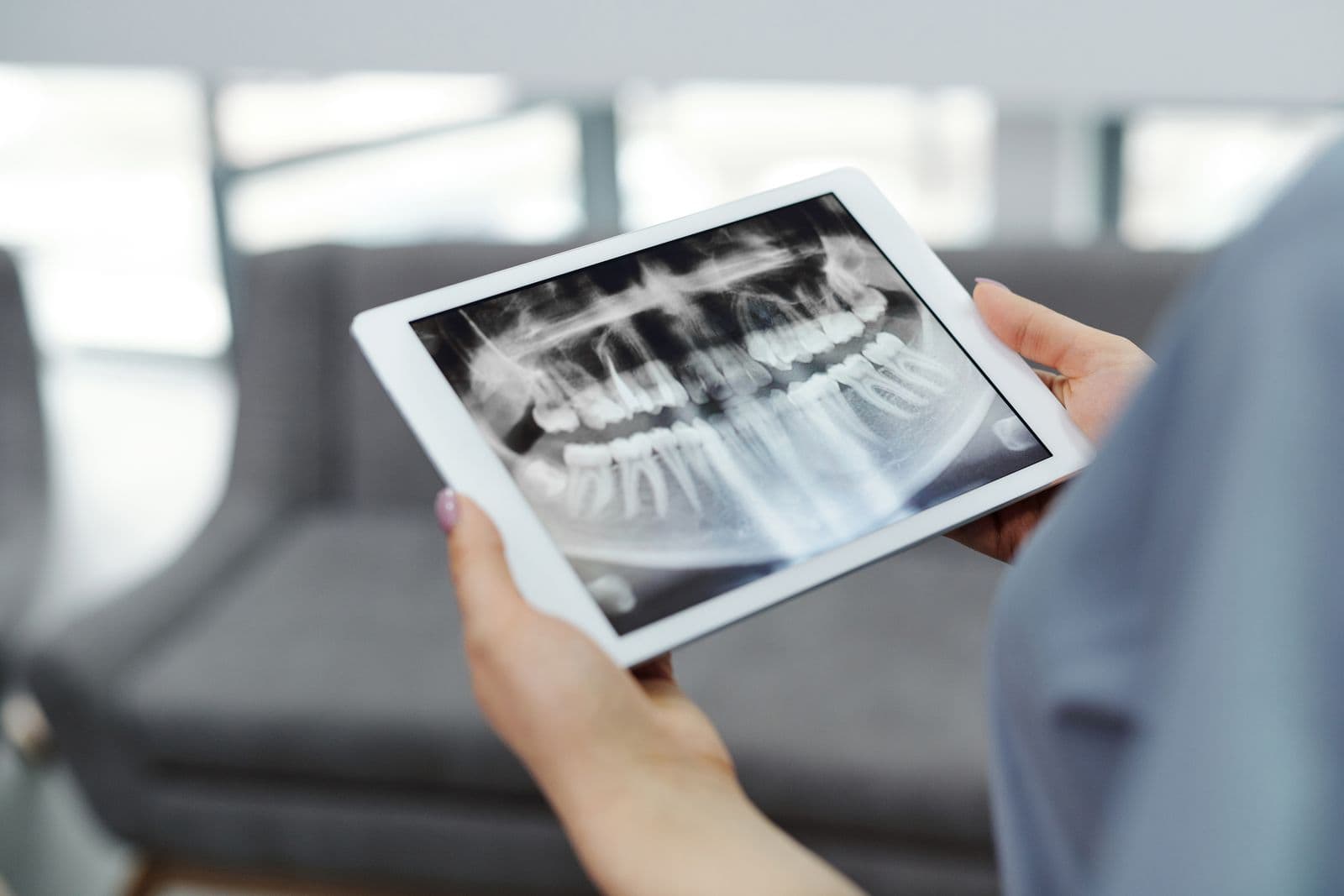
Are Dental X-Rays Harmful? A Guide to Radiation Doses and Safety
Worried about getting a dental X-ray? This guide covers the actual radiation doses of panoramic X-rays and CBCT scans, safety principles during pregnancy and childhood, and the protective measures taken in modern clinics.