
Table of Contents
- What Is the Jaw Joint (TMJ) and How Does It Work?
- What Causes TMJ Disorders?
- What Are the Symptoms of a TMJ Disorder?
- What Do Clicking Sounds and Jaw Locking Mean?
- Is Jaw Pain Always Caused by the Joint?
- What Can You Do at Home to Relieve TMJ Pain?
- Do Jaw Exercises Help with TMJ Disorders?
- How Are TMJ Disorders Treated?
- Which Habits Help Protect the Jaw Joint?
- Frequently Asked Questions About TMJ Disorders
What Is the Jaw Joint (TMJ) and How Does It Work?
The jaw joint, medically known as the temporomandibular joint (TMJ), connects the lower jaw to the skull and sits just in front of the ear. It works thousands of times a day while you speak, chew, yawn and swallow, which makes it one of the most frequently used joints in the body.
Inside the joint, a cartilage disc acts as a cushion between the bone surfaces. As the mouth opens and closes, this disc moves in harmony with the joint head. When the balance between the disc, the chewing muscles and the way the teeth bite together is disturbed, conditions involving pain, joint sounds and restricted movement can develop; together they are called temporomandibular joint disorders.
TMJ disorders are quite common and can occur at any age. Symptoms usually start mildly and fluctuate over time. When recognised early and managed with simple measures, the condition can generally be brought under control without any need for surgery.
What Causes TMJ Disorders?
TMJ disorders cannot be traced back to a single cause; in most people several factors act together. One of the most common is the habit of teeth clenching and grinding: the load placed on the joint and chewing muscles overnight can show itself as pain and tiredness around the jaw in the morning. Other prominent factors include:
- Stress and tension: Unconsciously keeping the jaw muscles tight and holding the teeth in contact during the day places a constant load on the joint.
- Bite problems: Missing teeth, poorly fitting fillings or crowns and misaligned teeth can cause chewing forces to be distributed unevenly.
- Displacement of the joint disc: When the disc slips out of its normal position, it can cause sounds, a catching sensation and locking.
- Trauma: A blow to the jaw, a fall or keeping the mouth wide open for a long time can strain the joint.
- General joint diseases: Conditions such as osteoarthritis and rheumatoid arthritis can also affect the jaw joint.
- Straining habits: Constant gum chewing, nail biting, pen biting or holding the phone between the shoulder and the chin can tire the joint.
What Are the Symptoms of a TMJ Disorder?
The symptoms of a TMJ disorder are not limited to the jaw; because they can radiate to the head, ear and neck, the condition is often confused with other problems. One or several of the following symptoms may occur together:
- Pain in front of the ear that increases with chewing or opening and closing the mouth
- Clicking, popping or grinding sounds during jaw movements
- Inability to open the mouth fully, or the jaw deviating to one side while opening
- Jaw locking: the mouth getting stuck in an open or closed position
- Tiredness, tension and pain around the jaw in the morning
- Unexplained ear pain, a feeling of fullness in the ear or ringing
- Headaches radiating to the temples and neck
- Getting tired quickly while chewing and needing to avoid hard foods
What Do Clicking Sounds and Jaw Locking Mean?
The clicking sound heard when opening and closing the mouth is the most common finding in TMJ disorders and usually indicates that the movement pattern of the disc inside the joint has been disturbed. When the disc slips forward from its normal position, the joint head settles back onto the disc as the mouth opens, producing an audible sound.
A painless joint sound on its own does not always require treatment; however, if pain, a catching sensation or difficulty opening the mouth starts to accompany the sound, the condition may be progressing. When the disc can no longer return to its place, the sound may disappear, but the mouth opening becomes noticeably limited; this is called locking.
People who experience locking episodes, whose mouth opening gradually decreases or whose pain becomes persistent are advised to see a dentist without delay. Treatment started at an early stage can help prevent the condition from progressing to a point where surgery is needed.
Is Jaw Pain Always Caused by the Joint?
No; not every pain in the jaw and face originates from the TMJ. Deep cavities, a tooth abscess or erupting impacted wisdom teeth can cause pain radiating to the jaw. Ear infections, sinusitis, salivary gland diseases and nerve-related pain such as trigeminal neuralgia can create similar complaints.
A rare but important distinction: jaw pain that appears together with pressure in the chest, shortness of breath, pain radiating to the arm and cold sweating may be heart-related. In such a situation, emergency services should be contacted without delay.
Because of this wide range, the right course of action for jaw pain of unclear origin is a thorough examination. Using clinical findings, jaw movement measurements and, if needed, panoramic X-rays or magnetic resonance (MR) imaging, the dentist evaluates whether the pain comes from the joint, the muscles, the teeth or another source.
What Can You Do at Home to Relieve TMJ Pain?
In many people with mild symptoms, simple measures aimed at resting the joint can noticeably reduce complaints. These methods do not replace an examination; they can be used until the dental appointment and as a support alongside treatment:
- Prefer soft foods for a few weeks; stay away from hard, crunchy foods and those that require a lot of chewing.
- Take a break from chewing gum; when yawning, gently support your chin with your hand to limit excessive opening.
- Apply a warm compress to the painful area for 15-20 minutes a few times a day; for recently started pain, a cold compress may feel more soothing.
- Check during the day whether your teeth are touching: with the lips closed, the teeth should be slightly apart, the tongue resting on the palate and the jaw relaxed.
- Avoid sleeping face down or with your hand propped under your chin.
- Breathing exercises to reduce stress and regular physical activity can ease muscle tension.
Do Jaw Exercises Help with TMJ Disorders?
In many TMJ conditions where muscle-related complaints are in the foreground, jaw exercises recommended by the clinician can be an important part of treatment. The aim of the exercises is to relax the tense chewing muscles, restore a regular opening and closing pattern of the jaw and support the balanced work of the structures around the joint. It has been reported that regular exercise can make a meaningful contribution to treatment, particularly in muscle-related pain, helping to reduce discomfort and increase mouth opening over time. Moreover, these exercises require no special equipment and can easily be added to the daily routine.
Frequently recommended approaches include controlled mouth-opening drills with the tongue resting on the palate, watching in a mirror that the jaw opens and closes along a straight line, and gentle stretching movements aimed at relaxing the neck and shoulder area. Which exercise is done, how often and with how many repetitions varies according to each person's condition; for this reason it is important that the exercise programme is set by the clinician or a physiotherapist rather than chosen at random. The effect of the exercises is usually felt not immediately but after a few weeks of regular practice; patience is therefore needed, and the programme should not be abandoned halfway.
The point to remember is that exercise is itself a treatment tool: movements performed with the wrong technique or in excess can tire the joint instead of relieving it. If pain increases noticeably during or after exercise, or a new sound or locking appears, it is advisable to pause the programme and consult the clinician. During an acutely painful period, resting the joint first may be preferred over starting exercises. In people who use a splint, the exercises are usually planned to complement the appliance, and how the programme is working is reviewed together with the clinician at follow-up appointments.
How Are TMJ Disorders Treated?
The majority of TMJ disorders are managed with non-surgical methods. The first step of treatment consists of informing the patient, adjusting the habits that strain the joint and, when needed, medication support such as pain relievers or muscle relaxants under the supervision of a clinician.
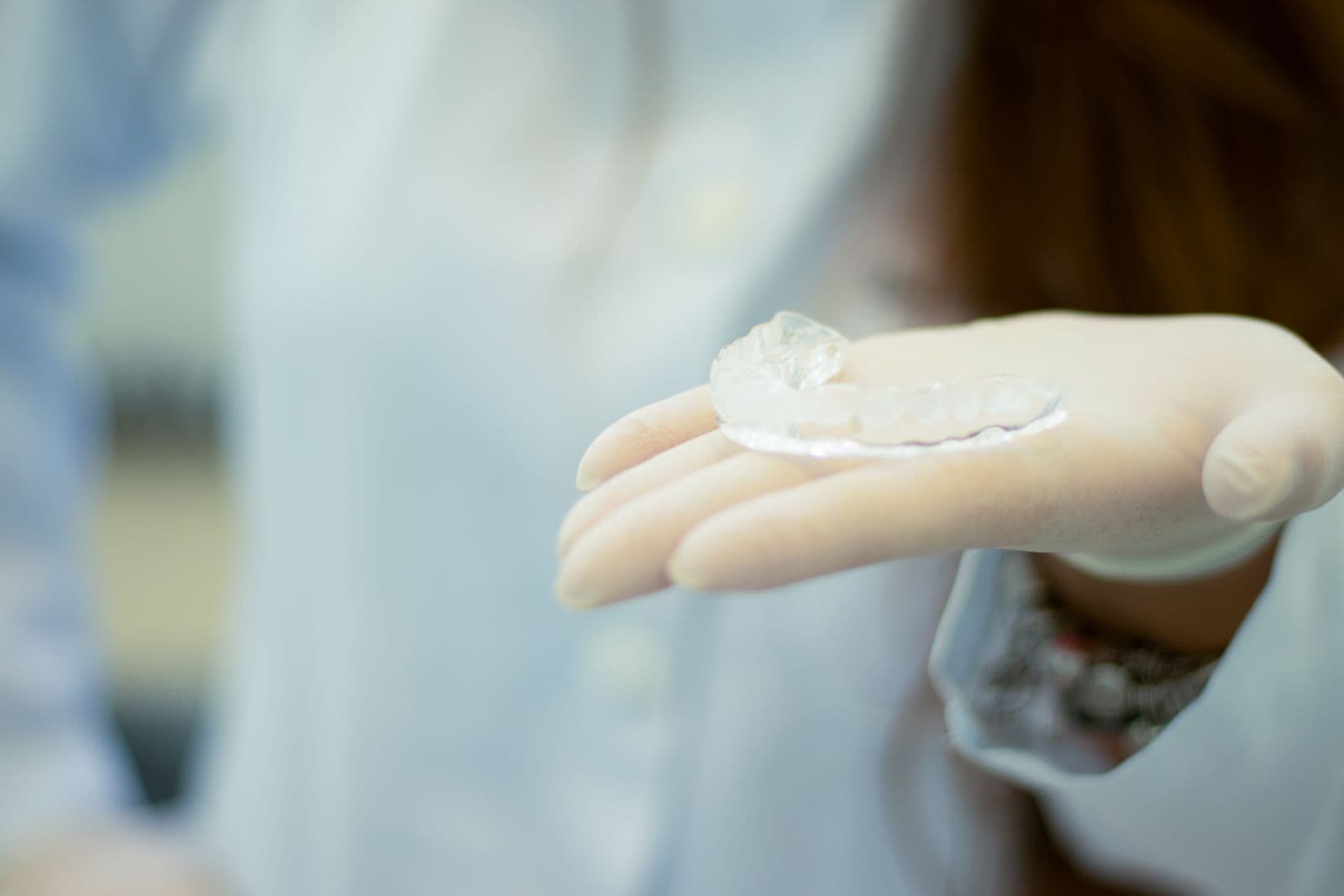
One of the most frequently used methods is splint (occlusal appliance) therapy. This custom-made appliance sits over the teeth and balances the bite; it helps the chewing muscles relax and reduces the load on the joint. Unlike ready-made trays sold over the counter, a splint is fitted to the mouth by the dentist and followed up with regular check-ups.
In people whose pain is mainly muscle-related, physiotherapy, jaw exercises and stress management can be added to the treatment. Where a significant bite problem exists, replacing missing teeth, renewing poorly fitting restorations or correcting the alignment and bite of the teeth with orthodontics may come onto the agenda.
In advanced cases that do not respond sufficiently to conservative methods, intra-articular injections, joint lavage (arthrocentesis) and, as a last step, oral and maxillofacial surgery procedures are considered. Which step is appropriate is decided by the clinician according to the duration of the complaints and the examination and imaging findings.
Which Habits Help Protect the Jaw Joint?
Maintaining joint-friendly habits after treatment is completed also helps reduce the likelihood of complaints coming back:
- Make it a habit to keep your jaw relaxed during the day without letting your teeth touch.
- Stay away from joint-straining behaviours such as nail biting, pen biting and chewing ice.
- Avoid chewing gum for long periods; take care to chew evenly on both sides.
- Pay attention to your head and neck posture while working at a desk; a forward head position also strains the jaw muscles.
- If you suspect teeth clenching, consult your dentist; splint use started at an early stage can protect the joint.
- Do not skip regular dental check-ups; missing teeth and wear that disturb the bite can be corrected at an early stage.
Frequently Asked Questions About TMJ Disorders
Which doctor treats TMJ disorders? The right starting point for the first evaluation is a dentist; when necessary, specialists in oral and maxillofacial surgery, prosthodontics or orthodontics are involved. If there are accompanying findings such as ear complaints or headaches, cooperation with ENT, neurology or physiotherapy departments may be arranged.
Is a clicking jaw normal? Mild, painless joint sounds on their own are common in the population and do not always require treatment. If the sound starts to appear together with pain, a catching sensation or difficulty opening the mouth, an assessment through a clinical examination is recommended.
What should I do if my jaw locks? Trying to relax the jaw without forcing it, applying a warm compress and reducing the load of speaking and chewing are the first steps. If the locking does not resolve quickly or recurs frequently, a dentist should be seen without delay.
Does TMJ pain go away on its own? Mild pain caused by muscle fatigue can subside within a few days to a few weeks when the joint is rested. For pain that lasts longer than two weeks, keeps increasing or is accompanied by locking, it is better to be examined rather than waiting for it to resolve by itself.
Is a splint the same as a ready-made night guard from the pharmacy? No. Ready-made trays are generic products intended only to protect the teeth from wear; a custom-made splint, on the other hand, is a treatment device that balances the bite and aims to reduce the load on the muscles and the joint. Ready-made trays that do not fit properly can even increase complaints in some cases.
Is surgery necessary for TMJ disorders? In the vast majority of patients, non-surgical methods such as splints, exercises, medication support and habit adjustments can be sufficient. Surgery is considered only in a small number of patients who do not respond to conservative treatment and whose structural problem has been confirmed by imaging; the decision is made through clinical examination and further tests.

This content was prepared by the dental team of our clinic in Cukurambar, Ankara. Feel free to contact us with any questions about your oral and dental health.
This content is for informational purposes only; a dental examination is required for diagnosis and treatment.
Have questions? We are happy to help.
Related Articles
Orthodontic Treatment in Children: At What Age Are Braces Fitted?
Have you noticed crowding in your child's teeth? The right time for the first orthodontic check-up, the causes of crowding, the benefits of early treatment, appliance types and braces care — all in this comprehensive family guide.
What Is a Dental Bridge? Types, Procedure Steps and Comparison with Implants
Considering a bridge or an implant for your missing teeth? In this comprehensive guide you will find the types of dental bridges, the step-by-step procedure, the finer points of cleaning under a bridge and a comparison with implants.
Are Dental X-Rays Harmful? A Guide to Radiation Doses and Safety
Worried about getting a dental X-ray? This guide covers the actual radiation doses of panoramic X-rays and CBCT scans, safety principles during pregnancy and childhood, and the protective measures taken in modern clinics.