
Table of Contents
- What Is a Loose Tooth and When Is It Considered Normal?
- Why Do Teeth Become Loose?
- How Does Gum Disease Lead to Loose Teeth?
- Which Symptoms Accompany Loose Teeth?
- What Should Be Done About a Tooth Loosened by Trauma?
- How Is a Loose Tooth Treated?
- What Are the Options If a Loose Tooth Cannot Be Saved?
- How Can You Prevent Loose Teeth?
- Frequently Asked Questions About Loose Teeth
What Is a Loose Tooth and When Is It Considered Normal?
A loose tooth means that a tooth moves noticeably within its socket. In children, loosening baby teeth are a natural stage of development, but in adults, a permanent tooth that starts to move almost always points to an underlying problem and is a warning sign that should not be ignored.
An important distinction needs to be understood here: teeth are not fused to the jawbone. Each tooth is anchored in its socket by a fine network of connective tissue called the periodontium, located between the root surface and the bone. This structure cushions chewing forces and gives every tooth a natural, invisible flexibility far below a millimetre. This is called physiological mobility and is not a sign of disease.
Pathological mobility goes beyond this: movement that can be felt when the tooth is pushed with the tongue or touched with a finger, and sometimes noticed while chewing. Dentists grade mobility during the examination; the direction and amount of movement provide important clues about the source and severity of the problem. When noticeable looseness is detected in an adult tooth, seeing a dentist without delay can improve the chances of saving the tooth.
Why Do Teeth Become Loose?
There is no single cause of loose teeth in adults, but in the majority of cases the underlying picture is a weakening of the supporting tissues that hold the tooth. Research shows that a significant share of tooth loss in adults is caused by advanced gum disease.
The main conditions that can lead to a loose tooth are:
- Gum disease (periodontitis): Inflammatory breakdown of the bone and connective tissue surrounding the tooth is by far the most common cause of mobility in adults.
- Trauma and impacts: Falls, blows or sports injuries can damage the supporting tissues and cause sudden loosening.
- Teeth clenching and grinding: Persistent overload strains the fibres around the tooth; the habit of clenching and grinding (bruxism) can trigger mobility or worsen existing looseness.
- Root-tip infection and abscess: Untreated deep decay can create inflammation at the root tip, causing the tooth to move in its socket.
- Hormonal changes: During periods such as pregnancy, shifts in hormone levels can temporarily loosen the periodontium; this type of mobility is usually mild and may subside afterwards.
- Systemic diseases: Conditions such as uncontrolled diabetes and osteoporosis, which affects bone density, can weaken the jawbone's support around the teeth.
How Does Gum Disease Lead to Loose Teeth?
The process usually begins silently. When bacterial plaque accumulating on the teeth is not cleaned regularly, it hardens into tartar. Tartar is a constant source of irritation at the gum line and initially causes gum inflammation (gingivitis), marked by bleeding, redness and tenderness. At this stage the bone is not yet affected, and the condition is largely reversible with professional dental scaling.
If the inflammation continues untreated, it spreads beyond the gum line and progresses to the stage called periodontitis. Here, bacteria and the body's inflammatory response gradually destroy the fibres holding the tooth and the jawbone itself. The gum detaches from the tooth and forms spaces called pockets; these pockets become hard-to-clean bacterial reservoirs, and the vicious circle deepens. Gum recession, exposed root surfaces and teeth that appear longer than before are visible signs of this process.
Once a certain portion of bone support is lost, the tooth begins to move like a structure standing on a shrinking foundation. The critical point is this: bone that has been destroyed does not grow back on its own. Early diagnosis of gum disease is therefore the key not only to stopping mobility but also to preventing tooth loss.
Which Symptoms Accompany Loose Teeth?
A loose tooth rarely appears on its own. Since the underlying cause is usually gum disease, one or more of the following symptoms may occur alongside the mobility:
- Bleeding gums during brushing or flossing
- Redness, swelling or tenderness of the gums
- Receding gums and teeth that look longer than before
- Persistent bad breath or a bad taste in the mouth
- Pain when biting or chewing, or a feeling that the tooth is shifting
- New gaps forming between teeth or teeth changing position
What Should Be Done About a Tooth Loosened by Trauma?
A fall, accident or a blow during sport can suddenly loosen even a tooth with perfectly healthy gums. This situation differs from mobility caused by gum disease: the supporting tissues have not been destroyed by illness but injured by sudden force. With prompt and correct management, a considerable proportion of these teeth can heal.
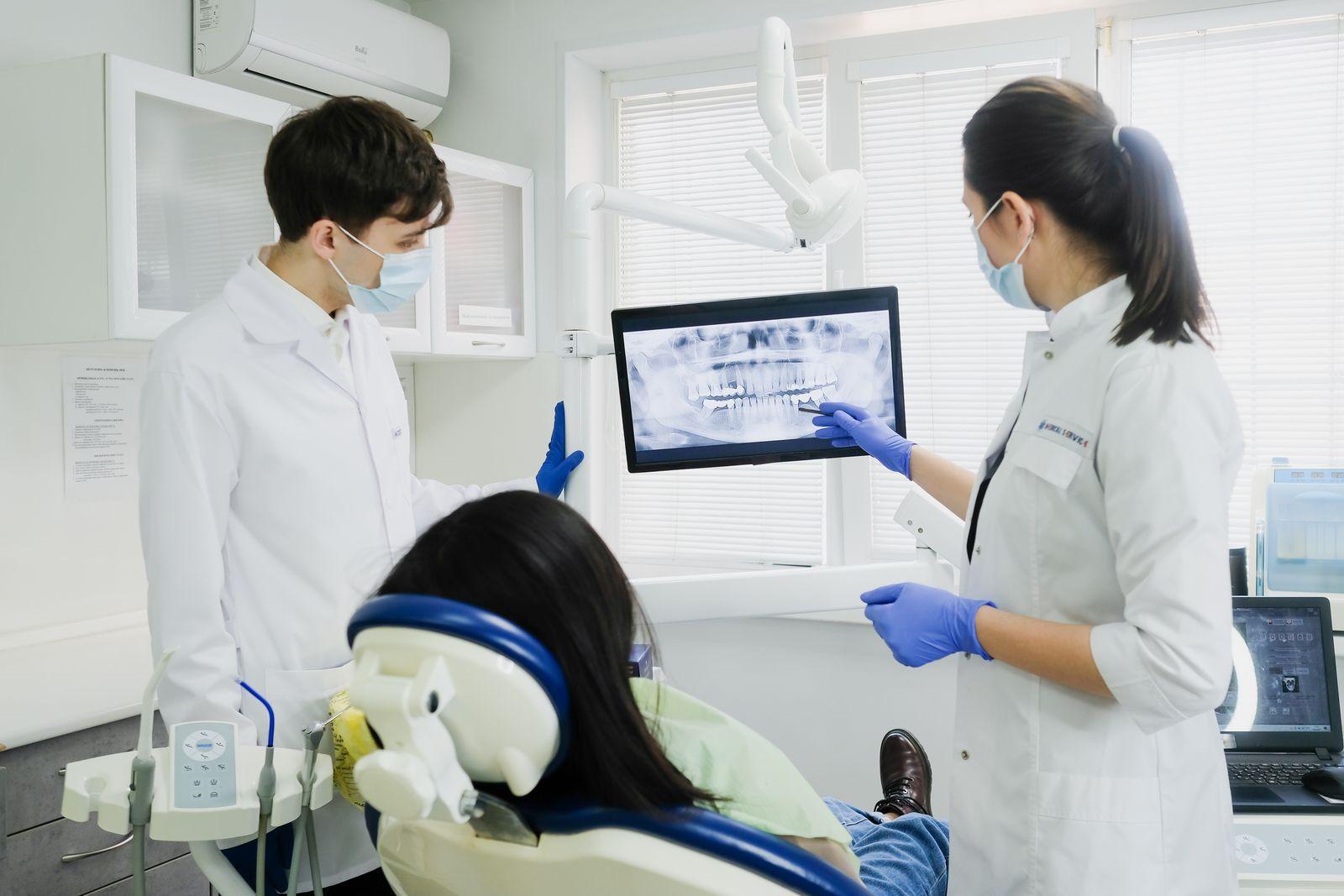
The first thing to do after an impact is to reach a dentist as soon as possible, without trying to push the tooth back into place with the tongue or fingers. The dentist evaluates the tooth and surrounding bone with an examination and X-rays, and checks for a root fracture. A common approach for teeth loosened by trauma is to stabilise the tooth temporarily by bonding it to the neighbouring healthy teeth with a thin wire or special strips; this is called splint therapy.
A splint gives the injured ligament time to heal in a calm environment and usually stays in the mouth for a few weeks. During this period, eating soft foods, cleaning the area gently and attending the follow-up visits recommended by the dentist can influence the chances of recovery. Even if a traumatised tooth looks fine at first, it may discolour or lose its vitality over time, which is why periodic follow-up of injured teeth is advised.
How Is a Loose Tooth Treated?
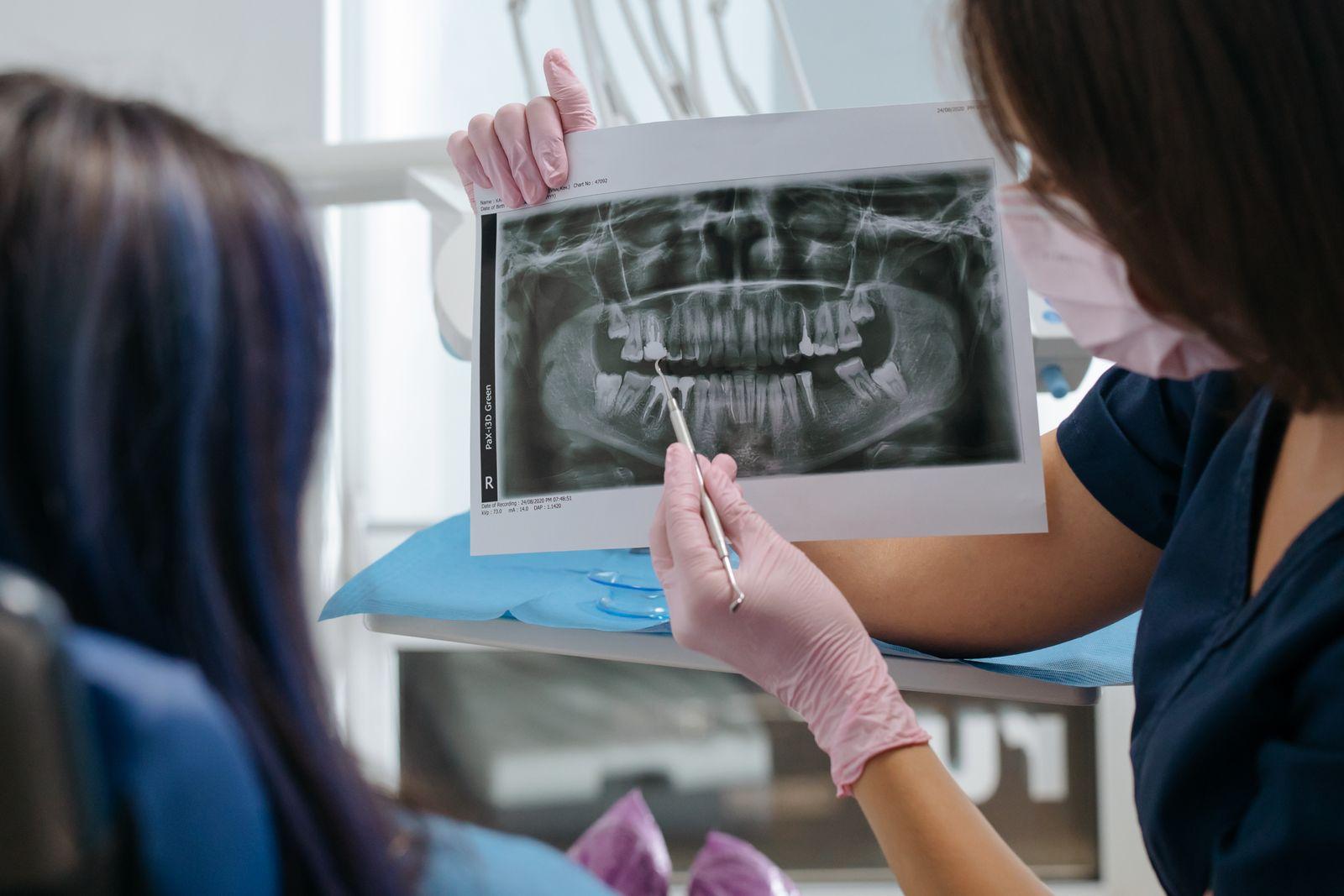
The first step of treatment is an accurate diagnosis. The dentist measures the degree of mobility, assesses the depth of the gum pockets and uses X-ray images to examine how much bone support remains. The treatment plan is shaped entirely by these findings, because the path for trauma-related mobility differs from that of mobility caused by advanced bone loss.
When gum disease is the cause, the primary goal is to stop the inflammation. The first stage involves removing tartar deposits and smoothing the root surfaces, clearing the rough areas that bacteria cling to. In advanced cases, surgical procedures aimed at reducing pocket depth or supporting lost tissue, as well as regenerative techniques, may come into consideration. The appropriate method is determined through a comprehensive periodontal treatment evaluation.
Once the inflammation is under control, teeth that remain mobile can be connected to neighbouring teeth with a splint so that chewing forces are distributed over a wider area. If clenching lies behind the mobility, rigid night guards that protect the teeth from overload during sleep become an important part of treatment. In patients with bite problems, minor adjustments may also be performed to reduce uneven forces on the tooth.
One point should not be forgotten: the success of treating a loose tooth depends largely on the stage at which the disease is caught. In patients who seek care early, the tooth may tighten and function for many years, whereas options narrow considerably once bone loss is far advanced.
What Are the Options If a Loose Tooth Cannot Be Saved?
In some cases, bone loss has progressed so far that keeping the tooth in place invites pain and allows the infection to spread to neighbouring teeth. In such a situation, extracting the tooth can be the wiser decision in order to protect the remaining tissues. This decision is always based on clinical and radiographic findings and made together with the patient.
After an extraction, it is important to restore the gap within a reasonable time, because an empty space can cause neighbouring teeth to tilt and the opposing tooth to over-erupt, disturbing the chewing balance. Today, the option most frequently considered for replacing a missing tooth is implant treatment, in which screw-shaped artificial roots are placed in the jawbone. Where bone volume is insufficient, bone augmentation procedures may be required.
When an implant is not suitable or not preferred, bridges supported by neighbouring teeth, or removable or fixed prostheses in cases of multiple missing teeth, can be considered. Which solution is appropriate is planned by the dentist according to the health of the remaining teeth, the amount of bone and the patient's general health.
How Can You Prevent Loose Teeth?
Since the most common cause of loose teeth is gum disease, prevention largely comes down to protecting gum health. Small but consistent changes in daily habits can keep the supporting tissues of the teeth strong in the long term:
- Brush your teeth twice a day with a soft-bristled brush, without neglecting the gum line.
- Clean the surfaces between the teeth every day with dental floss or interdental brushes.
- Keep up regular dental check-ups and have tartar removed as often as your dentist recommends.
- Do not accept bleeding gums as "normal"; persistent bleeding is a reason for an examination.
- Stay away from smoking; it accelerates gum disease and can mask warning signs such as bleeding.
- If you have chronic conditions such as diabetes, keep them under control with regular follow-up.
- If you suspect that you clench your teeth at night, consult your dentist; use a protective night guard if needed.
Frequently Asked Questions About Loose Teeth
Can a loose tooth tighten up on its own? It depends on the cause. Mobility due to mild trauma, hormonal changes in pregnancy or temporary overload may subside once the cause is removed. However, looseness caused by bone loss does not resolve by itself and usually progresses without treatment. A dental examination is needed for a definitive assessment.
Can a loose tooth be saved, or does it always have to be extracted? Not every loose tooth is extracted. When the inflammation can be brought under control and sufficient bone support remains, the tooth can often be kept in the mouth for a long time with treatment and, if necessary, splinting. Whether a tooth can be saved is determined through a dental examination, weighing the amount of bone loss, the tooth's position and overall oral health.
Which diseases can a loose tooth be a sign of? The condition it most often points to is advanced gum disease. Beyond that, uncontrolled diabetes, osteoporosis affecting bone density and root-tip infections can also present with tooth mobility. If several teeth are loose without an obvious explanation, both a dental examination and a general health check can be useful.
What should be done first for a tooth loosened by a blow? See a dentist, if possible on the same day, without trying to push or move the tooth. Early stabilisation with a splint can improve the healing prospects of the injured tissues. Even if the tooth looks intact, invisible damage to the root and surrounding bone is possible, so an X-ray check is important.
Is it harmful to wiggle a loose tooth with the tongue or fingers? Yes, it can be. Playing with a loose tooth puts further strain on already weakened ligament fibres and can impair healing. Curiosity about the tooth's movement is natural, but the best approach is to leave the tooth alone and let the dentist assess it.
How long does treatment for a loose tooth take? The duration depends on the underlying cause and the stage of the disease. A splint after trauma usually stays for a few weeks, while gum disease treatment can extend over months, with follow-up visits monitoring healing after the initial cleaning sessions. The individual timeline and plan are clarified through a dental examination.

This content was prepared by the dental team of our clinic in Cukurambar, Ankara. Feel free to contact us with any questions about your oral and dental health.
This content is for informational purposes only; a dental examination is required for diagnosis and treatment.
Have questions? We are happy to help.
Related Articles
Diabetes and Dental Health: What People with Diabetes Should Know
Diabetes affects many areas of oral health, from the gums to implant success, and gum disease in turn can make blood sugar harder to control. This guide covers the two-way relationship, the oral problems diabetics face more often, and how to protect yourself.
The Effects of Smoking on Oral and Dental Health: A Complete Guide
Smoking affects almost every aspect of oral health, from the gums to the success of implant treatment. In this guide you will find the effects of smoking on teeth and gums, the truth about e-cigarettes, and the recovery your mouth experiences when you quit.

Tooth Enamel Erosion: Causes, Symptoms and Treatment Options
Tooth enamel is the hardest tissue in the human body, yet once it wears away it cannot regenerate. In this guide you will find the causes of enamel erosion, its early warning signs, treatment options and the everyday habits that help protect your enamel.