
Table of Contents
- What Is a Broken Tooth? Why Do Teeth Break or Crack?
- I Broke My Tooth: What Should I Do in the First Minutes?
- What Should Be Done If a Tooth Is Knocked Out Completely?
- Dental Trauma in Children: What If a Baby Tooth Breaks or Is Knocked Out?
- How Is a Broken Tooth Treated? Options by Level of Fracture
- What Is Cracked Tooth Syndrome? Why Is It So Hard to Detect?
- How Can Broken Teeth Be Prevented, and What Happens Without Treatment?
- Frequently Asked Questions About Broken Teeth
What Is a Broken Tooth? Why Do Teeth Break or Crack?
A broken tooth covers a wide spectrum, from a small chipped corner of enamel to a tooth split down to the root. Although tooth enamel is the hardest tissue in the human body, it is not flexible; a sudden strong impact, a chewing force landing on the wrong spot, or an already weakened tooth structure can end in a fracture or a crack. Sometimes the break is a clearly visible loss of tooth structure; at other times it progresses silently as a fine crack inside the tooth that cannot be seen with the naked eye.
The depth of the fracture is the single most important factor guiding treatment: superficial fractures limited to the enamel can usually be resolved with simple restorations, while fractures extending to the tooth's nerve and blood supply (the pulp) or to the root may require more extensive treatment. The factors most frequently associated with broken teeth in clinical practice include:
- Falls, impacts and accidents: Sports injuries, traffic accidents and falls at home particularly affect the front teeth
- Hard foods: Biting ice, seeds, nuts in their shells or hard candy places sudden load on the enamel
- Clenching and grinding: An ongoing teeth clenching and grinding habit (bruxism) can fatigue teeth over time and pave the way for micro-cracks
- Large fillings and root-treated teeth: Teeth with substantial tissue loss may be more prone to fracture than intact teeth
- Advanced decay: Tooth walls weakened by decay can break even under normal chewing forces
- Sudden temperature changes: Drinking something very cold right after a very hot drink can contribute to fine cracks in the enamel
- Using teeth as tools: Opening packages, twisting caps or tearing labels puts loads on teeth they were never designed for
I Broke My Tooth: What Should I Do in the First Minutes?
Panic is natural when a tooth breaks, but the right steps in the first minutes improve comfort and may increase the chances of saving the tooth. Start by rinsing the mouth gently with lukewarm water to clear away blood and fragments, then assess the situation calmly. The following steps can help you manage the time until you reach a dentist:
- Find and keep the broken fragment: Kept moist in a container of milk, saline or saliva, the fragment can in some cases be bonded back in place; do not let it dry out
- If there is bleeding: Press gently on the area with a clean gauze pad or cloth for a few minutes
- For swelling and pain: Apply a cold compress to the outside of the cheek; take pain relief only by mouth and only as advised by a clinician or pharmacist — never place medication directly on the gum
- If a sharp edge is cutting the tongue or cheek: You can temporarily cover the edge with orthodontic wax available from pharmacies
- Watch what you eat: Avoid very hot, very cold and hard foods until you see a dentist, and try not to chew on the broken side
- Book an appointment even without pain: Painless fractures can hide damage progressing inside the tooth; early examination widens the range of treatment options
What Should Be Done If a Tooth Is Knocked Out Completely?
A tooth being knocked completely out of its socket together with its root (avulsion) is one of dentistry's true emergencies, and minutes matter. If a knocked-out permanent tooth receives correct first aid and reaches a dentist quickly, the likelihood of successfully replanting and saving the tooth can increase considerably. Always hold the tooth by its crown (the white part used for chewing); never touch, rub or brush the root. If there is visible dirt, rinse the tooth gently for a few seconds with milk or saline; if possible, place it back into its socket facing the right way, bite lightly on a clean gauze pad to hold it in place, and see a dentist without delay.
If the tooth cannot be placed back into the socket, the best transport medium is a glass of cold milk; if milk is unavailable, saline or the patient's own saliva can be used. Never wrap the tooth in a dry tissue or napkin; once the cells on the root surface dry out, the tooth's chance of reattaching drops rapidly. Soaking it in tap water for a long time is not ideal either. The literature reports that interventions performed within the first 30 to 60 minutes tend to have more favourable outcomes, so the aim is to reach a dentist with the tooth as quickly as possible. After replanting the tooth, the dentist usually stabilises it with a flexible splint attached to the neighbouring teeth and monitors healing with regular check-ups.
Dental Trauma in Children: What If a Baby Tooth Breaks or Is Knocked Out?
Because falls and bumps are frequent in childhood, dental trauma is most common at this age. In any dental injury, the child's general condition must be assessed first: if there is loss of consciousness, vomiting, unusual drowsiness or bleeding that cannot be stopped, the priority is the emergency department, not the tooth. If the child is generally well, a dentist should be seen as soon as possible.
Baby teeth follow a different rule from permanent teeth: a baby tooth that has been knocked out completely is not placed back into its socket. The reason is that the developing permanent tooth bud sits just beneath the baby tooth's root, and attempting replantation risks damaging it. Even so, every baby tooth injury should be examined by a dentist, because an impact can affect the development of the underlying permanent tooth even when nothing is visible, and this can only be followed up with regular check-ups and, where needed, X-rays. Keeping up oral hygiene and protective habits after trauma is an important part of supporting the healing period.
How Is a Broken Tooth Treated? Options by Level of Fracture
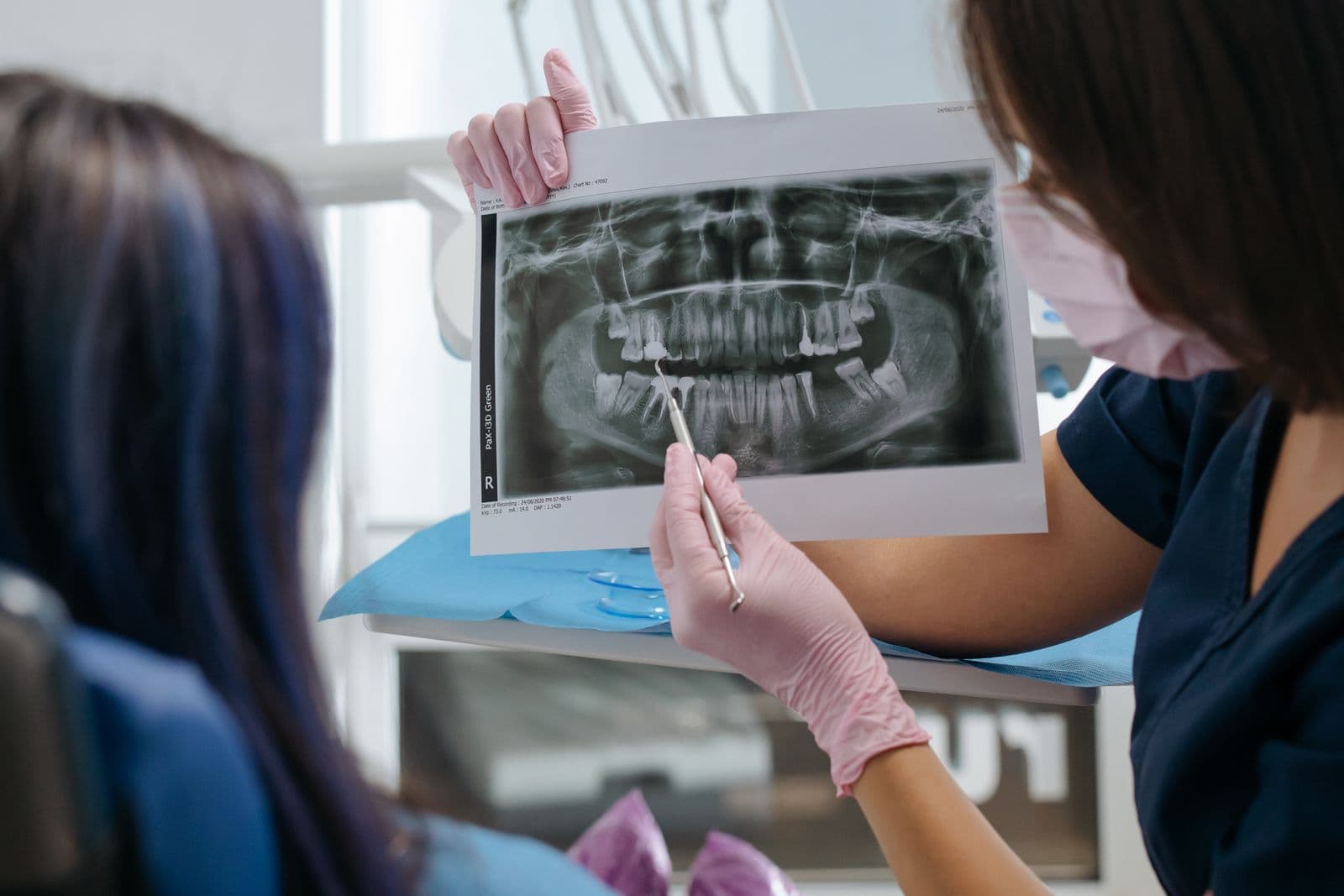
The treatment plan for a broken tooth is determined through clinical examination and X-ray assessment, based on the depth of the fracture, the vitality of the tooth and the patient's bite. Two fractures that look identical from the outside can require entirely different treatments depending on how deeply the inner tissues are affected. The general framework can be summarised as follows:
For small enamel-level fractures, the missing corner of the tooth can be rebuilt in a single visit with tooth-coloured composite material, and a properly stored fragment can sometimes be bonded back in place. The composite filling treatments used for these repairs offer an option that is both aesthetic and tissue-preserving. In fractures reaching the dentine, sensitivity to hot and cold may be present; the lost tissue is restored with a filling, and larger defects can be reinforced with indirect restorations.
Where a large amount of tooth structure is lost, crown restorations that encase and strengthen the tooth come into consideration; in the front of the mouth, a zirconium crown is often preferred for its natural appearance. When the fracture reaches the pulp, root canal treatment is performed first to prevent infection, and the tooth is then restored with a filling or a crown. In deep fractures at root level, the tooth cannot always be saved; where extraction becomes necessary, replacing the missing tooth with dental implant treatment or other prosthetic options can be planned. Minor fractures are usually resolved in a single visit, while cases requiring root canal treatment and a crown may extend over several appointments.
What Is Cracked Tooth Syndrome? Why Is It So Hard to Detect?
Not every tooth fracture is visible. Cracked tooth syndrome describes the situation caused by a fine crack progressing through enamel and dentine without any visible loss of tooth structure. Its most typical symptom is a sudden, sharp pain that appears when chewing happens to load a particular spot; the pain is often felt at the moment of releasing the bite and is not constant. Sensitivity to cold, and sometimes to sweet foods, can accompany the picture.
Diagnosing this syndrome is difficult because fine cracks are usually invisible on X-ray films. The dentist tries to locate the crack using bite tests, magnification and special light sources, and sometimes an existing filling needs to be removed. If diagnosed early, the progression of the crack can in many cases be slowed or stopped with a crown that encases the tooth; if the crack deepens and reaches the pulp, root canal treatment may be needed, and if it runs down the root, extraction may come into question. Recurring sharp pain on chewing should therefore be evaluated by a dentist without delay.
How Can Broken Teeth Be Prevented, and What Happens Without Treatment?
A broken or cracked tooth left untreated can open the door to bigger problems over time. Sharp edges can irritate the tongue and cheek; exposed dentine can heighten sensitivity; under chewing forces the crack can deepen until it reaches the pulp, setting the stage for infection and even a dental abscess. Because bacteria seep inside, a problem that could initially have been solved with a simple filling can evolve into one requiring root canal treatment or extraction. Having the fracture assessed early is the most reliable way to break this chain.
Not every tooth fracture can be prevented, but the habits that reduce the risk are well established:
- Avoid biting ice, seed shells and very hard candy
- Never use your teeth as tools to open packages or twist off caps
- Wear a properly fitted mouthguard for contact sports and activities such as cycling or skateboarding
- If you suspect clenching or grinding, discuss the option of a night guard following a clinical assessment
- Have teeth with large fillings or previous root canal treatment monitored at regular check-ups
- Treat decay early to prevent the tooth walls from weakening
Frequently Asked Questions About Broken Teeth
Does a broken tooth heal on its own? No; unlike bone, tooth enamel is a tissue that cannot regenerate, and the broken portion does not grow back. Even fractures that look small and painless can progress over time, so a clinical assessment is needed for a lasting solution.
My tooth broke but it doesn't hurt — should I still see a dentist? Yes. The absence of pain does not mean the damage is minor; the fracture may be progressing towards the dentine or pulp without being felt. Early examination increases the likelihood that the tooth can be treated with simpler, more conservative methods.
How should I store a broken tooth fragment, and is it useful? Keeping the fragment moist in milk, saline or saliva and taking it to the dentist is the right approach. Whether it can be bonded back depends on the shape of the fracture and the condition of the tissue; even when bonding is not possible, the fragment can guide the planning of a natural-looking restoration.
Can a completely knocked-out tooth be put back? In permanent teeth this may be possible; success depends largely on the time elapsed and on how the tooth was transported. Holding the tooth by its crown, carrying it in milk and reaching a dentist as quickly as possible improves the odds. Baby teeth, however, are not replanted, to avoid harming the developing permanent tooth bud underneath.
Does a cracked tooth show up on an X-ray? Fine cracks are usually not directly visible on X-rays, which is why the diagnosis is made together with bite tests and clinical findings. Recurring sharp pain in a specific tooth while chewing should be evaluated by a dentist even if the film looks clear.
Is a broken tooth treated with a filling or a crown? That depends entirely on the depth of the fracture and how much sound tissue remains: small enamel fractures can be repaired with composite filling, while extensive loss of tooth structure may call for a crown that encases the tooth. The appropriate option is determined individually after examination and X-ray assessment.

This content was prepared by the dental team of our clinic in Cukurambar, Ankara. Feel free to contact us with any questions about your oral and dental health.
This content is for informational purposes only; a dental examination is required for diagnosis and treatment.
Have questions? We are happy to help.
Related Articles
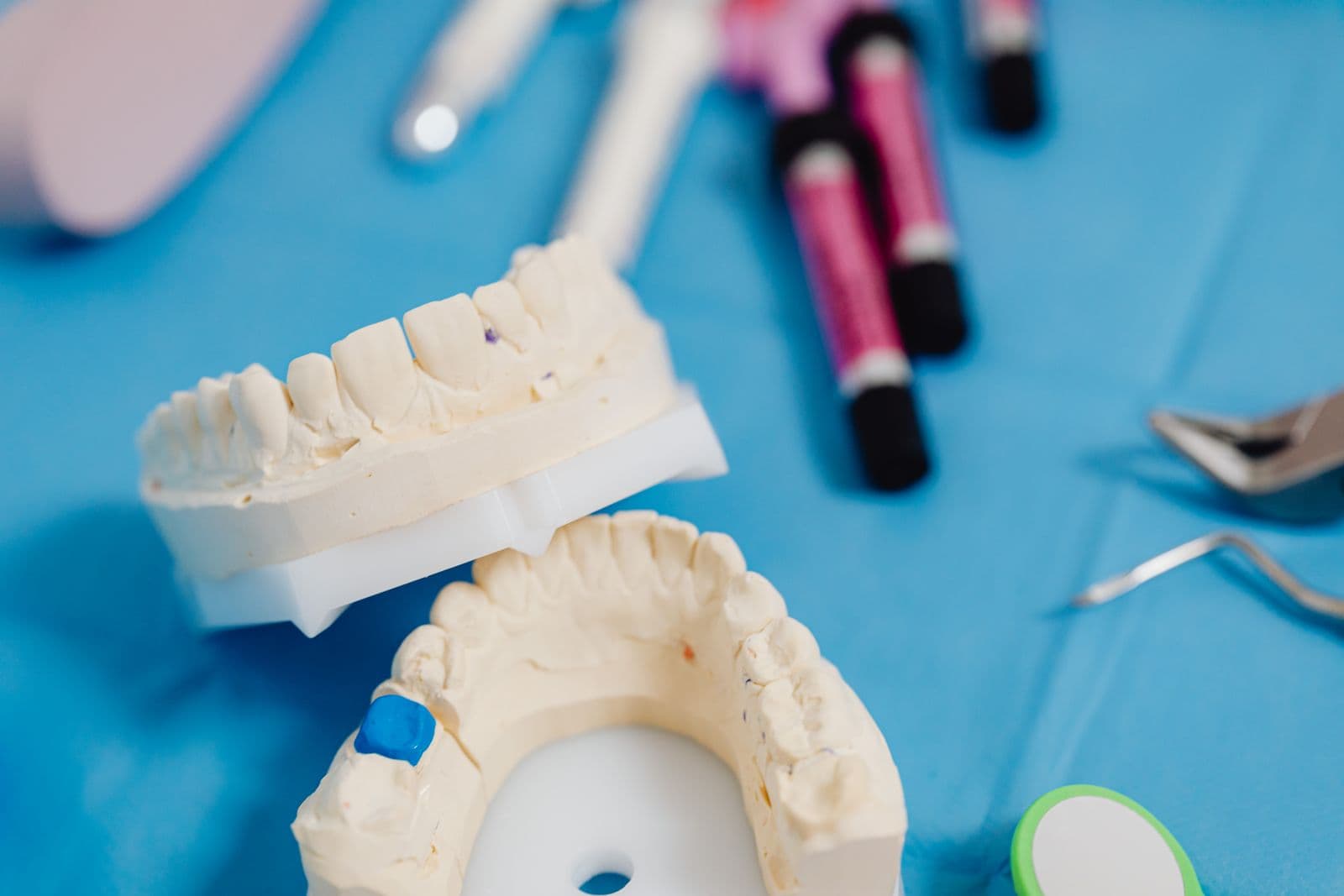
Dentures (Removable Prosthesis) Guide: Types, Adjustment Period and Care
Who are dentures suitable for, how are they made, and what does the adjustment period look like? The difference between complete and partial dentures, relining a loose denture, daily care rules and implant-supported options in this comprehensive guide.
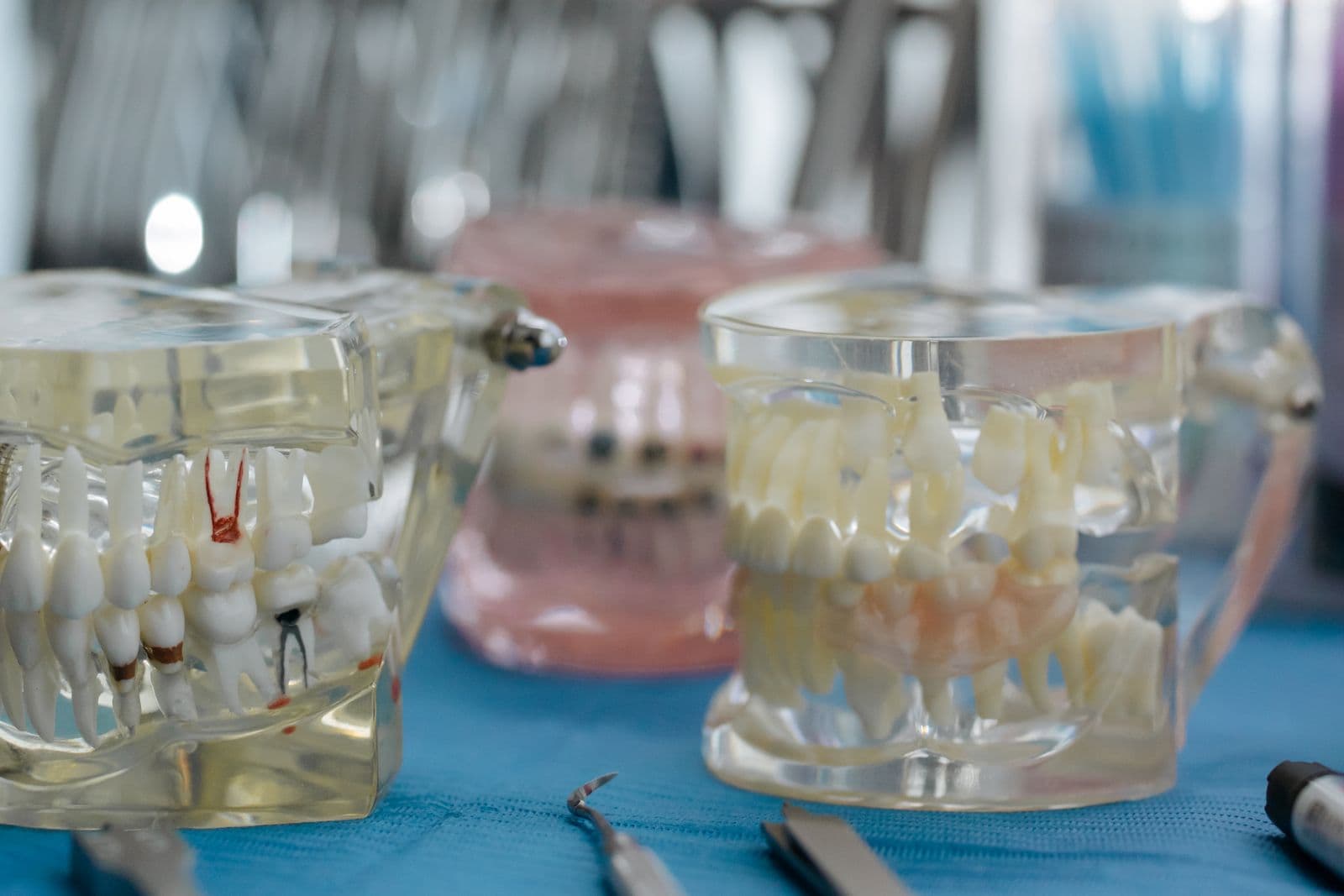
Orthodontic Treatment in Children: At What Age Are Braces Fitted?
Have you noticed crowding in your child's teeth? The right time for the first orthodontic check-up, the causes of crowding, the benefits of early treatment, appliance types and braces care — all in this comprehensive family guide.
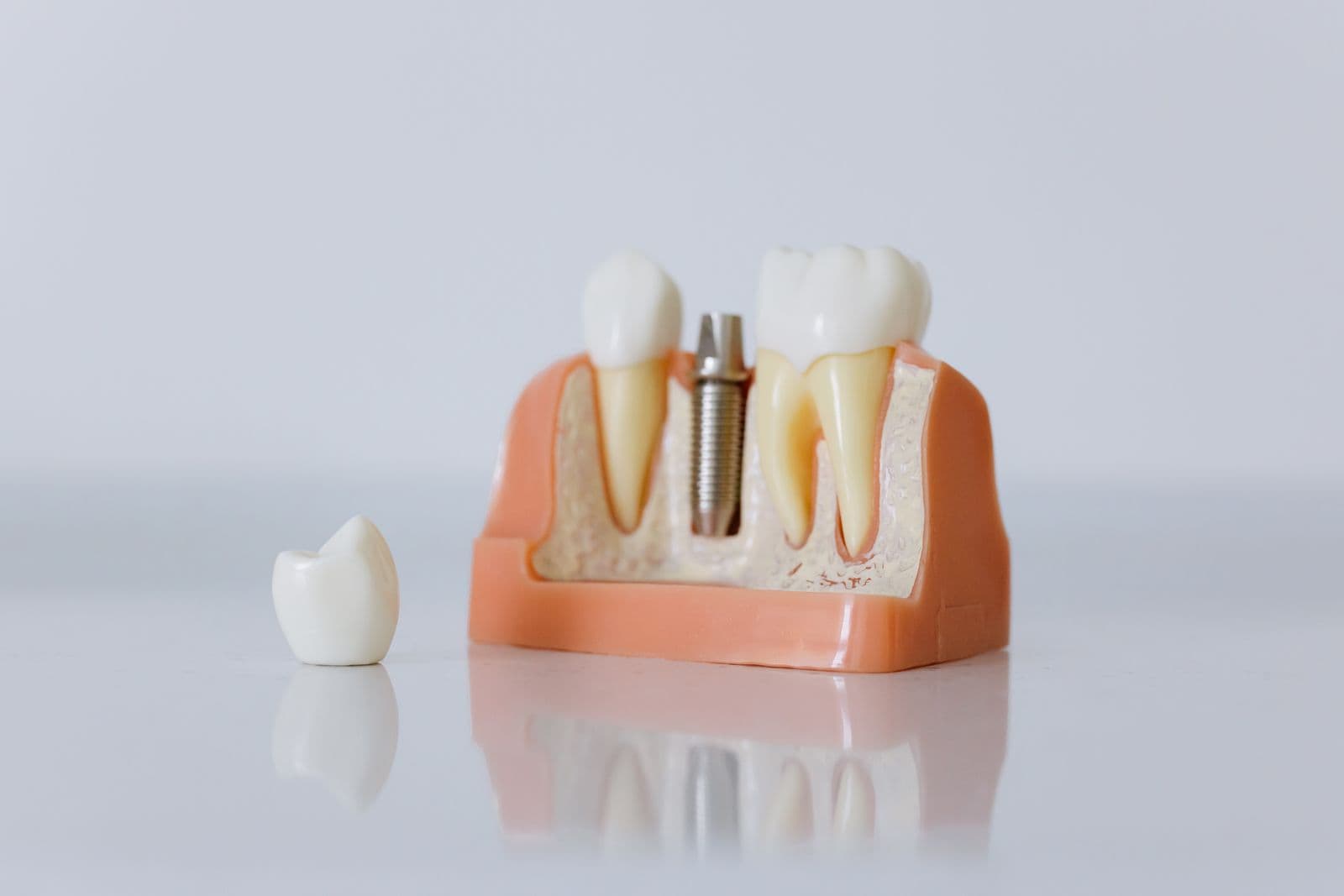
What Is a Dental Bridge? Types, Procedure Steps and Comparison with Implants
Considering a bridge or an implant for your missing teeth? In this comprehensive guide you will find the types of dental bridges, the step-by-step procedure, the finer points of cleaning under a bridge and a comparison with implants.