

Table of Contents
How Does Teeth Whitening Work?
Teeth whitening is based on breaking down pigment molecules that have accumulated in the enamel and dentine through a controlled oxidation process. The active ingredient in whitening gels is usually hydrogen peroxide or carbamide peroxide.
Coffee, tea, red wine and tobacco gradually cause external staining, while ageing, certain medications and developmental factors can lead to discolouration from within the tooth. The type of discolouration has a direct bearing on which method is likely to be suitable.
Before any whitening, a dental examination and, where needed, professional cleaning are carried out. Removing plaque and tartar allows the gel to reach the tooth surface evenly and makes the outcome easier to assess.
What Happens During In-Office Whitening?
In-office whitening is carried out at the clinic under the supervision of a dentist. The gums are first isolated with a protective barrier, after which a gel with a higher peroxide concentration than home products is applied to the tooth surfaces.
The gel is refreshed at set intervals, and a session typically takes around 45 to 60 minutes. Some protocols use a special light source to support the activity of the gel. Depending on the degree of discolouration, more than one session may be needed.
- The entire procedure takes place under professional supervision
- A visible change in shade is aimed for within a short time
- Gums and soft tissues are protected throughout the session
How Does At-Home Whitening Work?
For at-home whitening, thin custom trays are made from impressions or digital scans taken at the clinic. A lower-concentration gel prescribed by the dentist is placed inside the trays, which are usually worn for a few hours a day or overnight.
The course generally lasts one to two weeks, with the exact duration adjusted by the dentist according to the gel concentration and the intended result. At-home whitening still requires professional follow-up; products used without supervision can harm the enamel and gums.
Because the trays are custom made, the gel stays in even contact with the tooth surface and is less likely to spill onto the gums. Compared with over-the-counter kits, this approach offers a more controlled process, as it progresses under the dentist's follow-up.
Which Method Is Right for You?
The choice of method depends on the source of the discolouration, the health of the teeth and gums, and any existing fillings or crowns. Whitening gels only act on natural tooth tissue; the colour of fillings, veneers, crowns and implant-supported restorations does not change.
For this reason, the treatment plan is determined through a clinical examination by the dentist, which also checks for decay, gum problems and enamel cracks. In some cases, a combined protocol using both in-office and at-home whitening may be preferred.
Whitening may be postponed, or a different approach suggested, during pregnancy and breastfeeding, or where there is untreated decay, advanced gum disease or marked sensitivity. Because tooth development is not yet complete, whitening is generally not recommended under the age of 18.
How Is Sensitivity Managed After Whitening?
Temporary sensitivity to hot and cold is one of the most common side effects of whitening and usually settles within a few days. If sensitivity develops during at-home use, pausing the application and consulting the dentist is recommended.
- Desensitising toothpastes containing potassium nitrate or fluoride can be used
- Avoiding very hot or cold food and drink for a few days provides relief
- The dentist may apply fluoride or desensitising agents where needed
- If sensitivity persists, the clinic should be contacted
What Affects How Long Whitening Lasts?
Whitening does not produce a permanent colour change; the achieved shade can gradually fade over time. How long the result is maintained depends largely on daily habits.
- How often coffee, tea, red wine and other dark drinks are consumed
- Smoking and the use of other tobacco products
- The consistency of daily oral hygiene and brushing habits
- Regular dental check-ups and professional cleaning
- Individual enamel structure and age
Get in Touch with Any Questions
If the shade begins to relapse, short top-up applications can be carried out after an assessment by the dentist. How often this is needed varies from person to person.
If you have questions about teeth whitening, you can reach the ADEN Dental team in Çukurambar, Ankara by phone or WhatsApp. After an examination, we can discuss which method fits your teeth and your expectations.

This content was prepared by the dental team of our clinic in Cukurambar, Ankara. Feel free to contact us with any questions about your oral and dental health.
This content is for informational purposes only; a dental examination is required for diagnosis and treatment.
Have questions? We are happy to help.
Related Articles
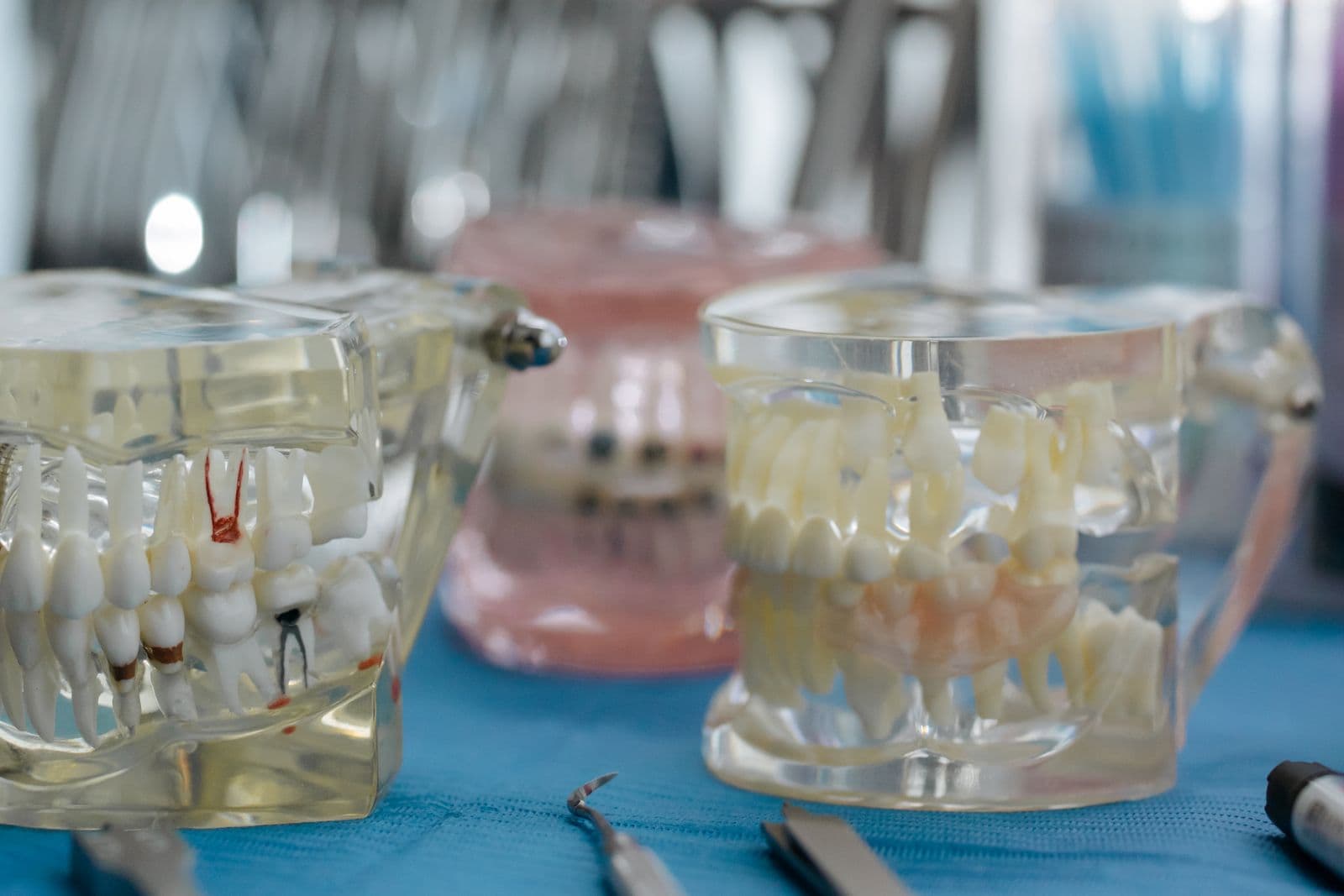
Orthodontic Treatment in Children: At What Age Are Braces Fitted?
Have you noticed crowding in your child's teeth? The right time for the first orthodontic check-up, the causes of crowding, the benefits of early treatment, appliance types and braces care — all in this comprehensive family guide.
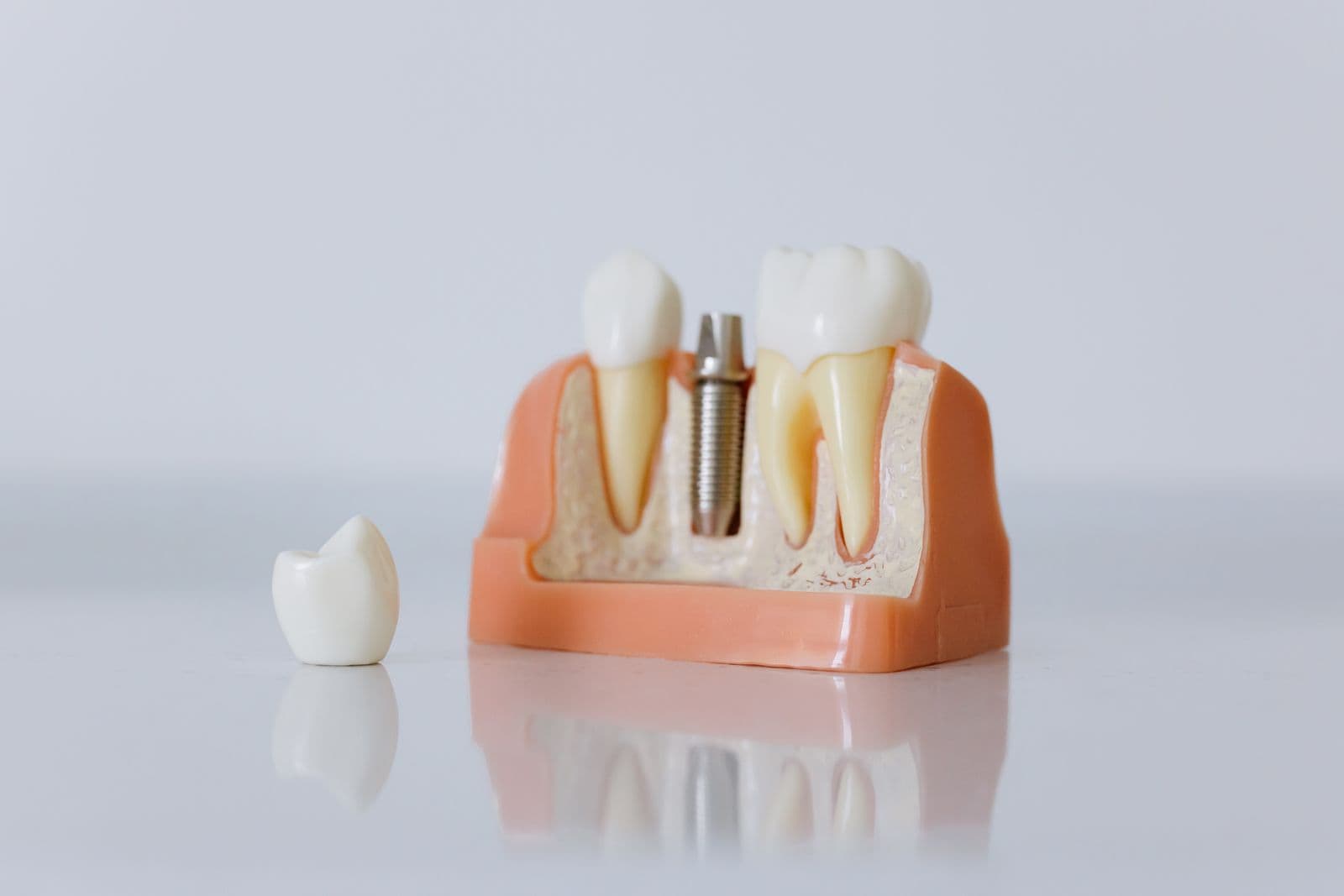
What Is a Dental Bridge? Types, Procedure Steps and Comparison with Implants
Considering a bridge or an implant for your missing teeth? In this comprehensive guide you will find the types of dental bridges, the step-by-step procedure, the finer points of cleaning under a bridge and a comparison with implants.
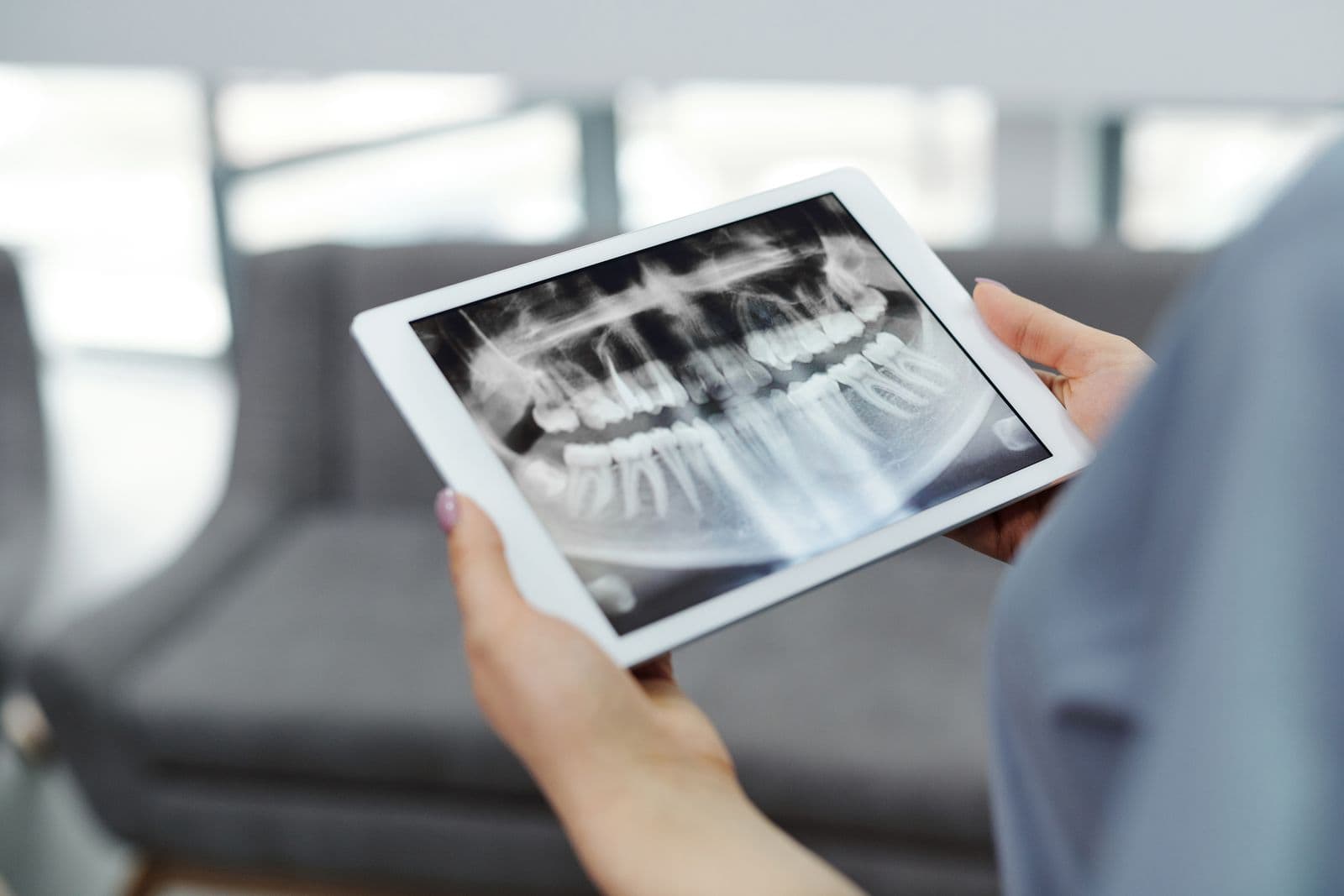
Are Dental X-Rays Harmful? A Guide to Radiation Doses and Safety
Worried about getting a dental X-ray? This guide covers the actual radiation doses of panoramic X-rays and CBCT scans, safety principles during pregnancy and childhood, and the protective measures taken in modern clinics.