
Table of Contents
- Intraoral Scanners: Saying Goodbye to Impression Putty
- Digital X-Rays and 3D Imaging: Less Radiation, Clearer Diagnosis
- CAD/CAM: Restorations in a Single Visit
- 3D Printing: From Surgical Guides to Temporary Prostheses
- Digital Smile Design: Discussing the Outcome Before Treatment Begins
- AI-Assisted Planning: A Support Tool, Not a Decision-Maker
- What Has Changed for Patients? Comfort, Speed, Predictability
- A Final Word: Technology Is the Tool, Clinical Skill Is the Foundation
Think back to your last visits to the dentist: a tray of impression putty sitting in your mouth for what felt like forever, X-ray films being developed in another room, and weeks of waiting for the laboratory. If those memories are still vivid, there is good news. Over the past decade, dentistry has gone through a quiet but profound transformation, and digital technology sits at its centre.
Digital dentistry covers a whole family of tools — intraoral scanners, three-dimensional imaging, computer-aided design and manufacturing, and 3D printing. In this article we walk through what each of these technologies actually changes for you, the person in the chair. Our goal is not to pile up technical jargon, but to explain in plain language what the devices you may encounter at your next appointment are for.
Intraoral Scanners: Saying Goodbye to Impression Putty
For many patients, the conventional impression was the least pleasant part of any visit: a tray placed in the mouth, putty that had to set for several minutes, and a real ordeal for anyone with a sensitive gag reflex. Intraoral scanners have changed that picture fundamentally. A pen-sized camera glides over your teeth and gums, capturing thousands of images per second and assembling them into a precise three-dimensional digital model.
The benefit is not only comfort. Small dimensional distortions that can occur when putty impressions are transported, poured, and stored largely disappear with a digital model. Your dentist can check the scan on screen immediately; if an area is missing, only that area needs rescanning. And instead of travelling by courier, the model reaches the laboratory at the speed of e-mail.
For patients, digital impressions typically mean:
- No trays or putty that trigger the gag reflex
- Scanning is usually completed within a few minutes
- Far fewer repeat appointments due to faulty impressions
- The digital model is stored and can be used for follow-up comparisons
Digital X-Rays and 3D Imaging: Less Radiation, Clearer Diagnosis
The era of chemically developed films is over. Digital sensors bring the image to the screen within seconds and work with a considerably lower radiation dose than conventional film. Because the image can be magnified, measured, and adjusted for contrast, early-stage caries and subtle bone changes are easier to detect.
Three-dimensional imaging — cone-beam computed tomography (CBCT) — shows the jawbone, nerve canals, and sinuses volumetrically when needed. For implant planning, assessment of impacted teeth, or complex root canal anatomy, it answers questions a two-dimensional film simply cannot. Which imaging method is appropriate is decided by your dentist based on clinical examination findings; routine CBCT scans for every patient are neither necessary nor good practice.
The fact that digital images can be archived is another real gain: changes over the years can be compared, and images can be securely shared with another clinician when needed.
CAD/CAM: Restorations in a Single Visit
CAD/CAM — computer-aided design and manufacturing — is perhaps the most tangible pillar of digital dentistry. In the traditional workflow, an impression for a crown was sent to a laboratory, and the patient wore a temporary crown for one to two weeks. With CAD/CAM systems, the restoration is designed on the digital model obtained by intraoral scanning and then milled from a ceramic block in a unit located at the practice itself.
In suitable cases this means crowns, inlays, and onlays can be produced and fitted within the same appointment. A single-visit treatment removes the burden of a second anaesthetic, the typical problems of temporary crowns, and extra days off work. Whether a restoration can be completed in one visit depends on the condition of the tooth, the material required, and aesthetic considerations — your dentist's assessment determines what is realistic in your case.
The materials side is equally strong: modern CAD/CAM ceramics and zirconia blocks offer aesthetics close to natural tooth structure together with well-documented clinical durability.
3D Printing: From Surgical Guides to Temporary Prostheses
Three-dimensional printers are no longer an experimental curiosity in dentistry but part of the daily workflow. By merging scan and CBCT data, patient-specific items can be printed. The best-known example is the surgical guide used in implant surgery: the angle and depth of the implant are planned on the computer, the plan is converted into a guide that fits precisely in the mouth, and the risk of deviating from the planned position during surgery is reduced.
The applications go well beyond that. Common examples include:
- Patient-specific surgical guides for implant placement
- Rapid production of temporary crowns and prostheses
- Digital models used in clear aligner therapy
- Working models that help explain the treatment plan to the patient
- Night guards and other protective appliances
Digital Smile Design: Discussing the Outcome Before Treatment Begins
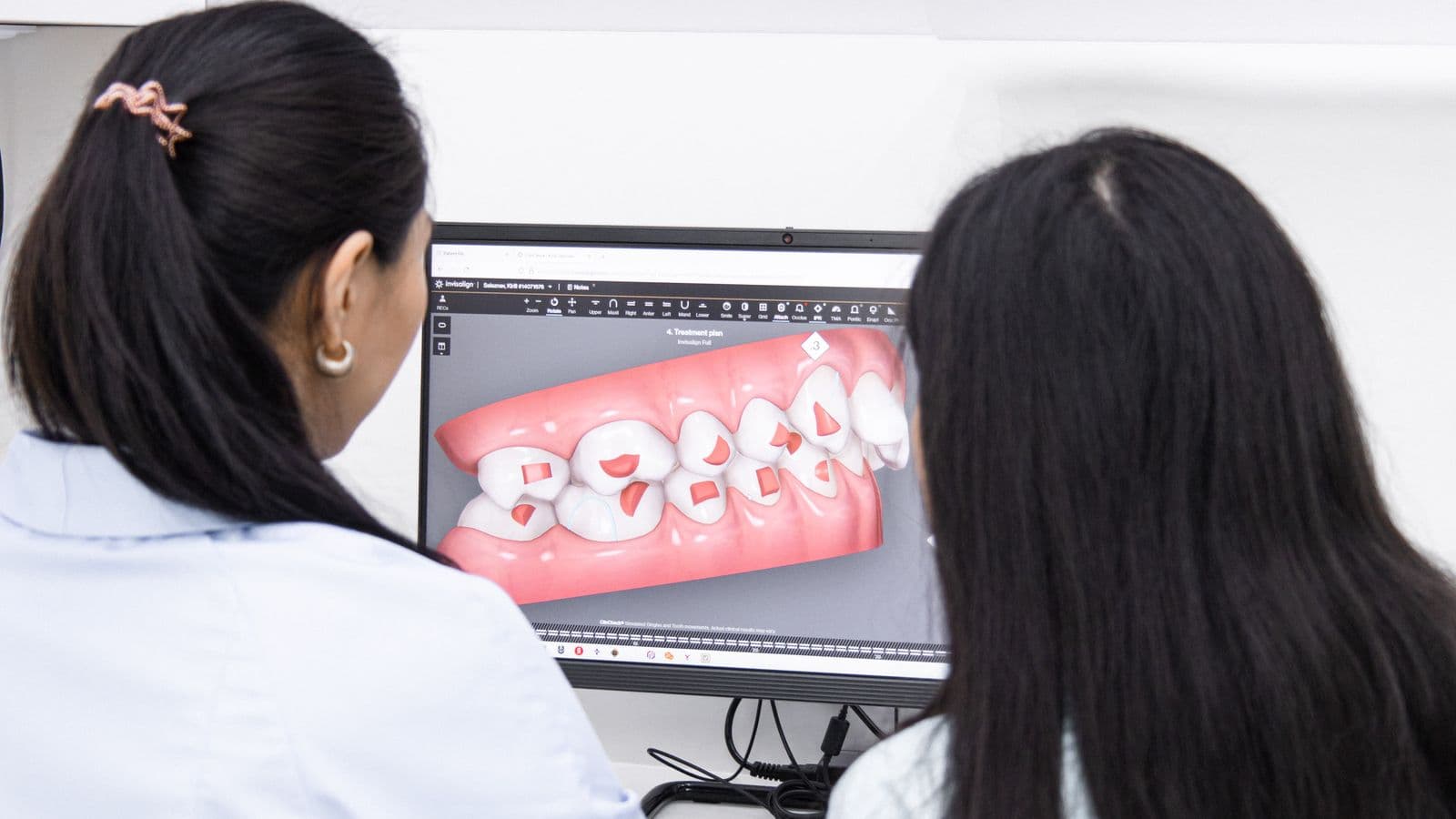
In aesthetic dentistry, the biggest source of anxiety is uncertainty: "Will the result suit my face?" Digital smile design brings that question to the table before treatment starts. Using facial photographs and your intraoral scan, the length, shape, and arrangement of the teeth are designed in software, and the proposal is reviewed with you on screen.
In suitable cases the design can also be tried in the mouth as a temporary mock-up, so you can see it in the mirror and give feedback. One important caveat: a digital design is a simulation, not a guarantee of an identical result. The final appearance may vary depending on gum health, the existing tooth structure, and the chosen material. The real value of the design lies in aligning dentist and patient on the same goal before any irreversible step is taken.
AI-Assisted Planning: A Support Tool, Not a Decision-Maker
Artificial intelligence is becoming an increasingly visible assistant in dentistry. Flagging caries and bone-loss findings on radiographs, automatically tracing the nerve canal on CBCT scans, accelerating orthodontic analyses, and suggesting implant positions are some of the current applications. These tools can act as a second layer of review, highlighting details that might otherwise be overlooked.
An honest framing matters here: AI is a decision-support tool. It does not diagnose, it does not decide on treatment, and it does not replace the dentist. Every finding an algorithm flags must be interpreted together with the clinical examination and the clinician's experience. The diagnosis and the treatment decision always belong to the dentist who examines you; technology's role is to support that judgement with more data.
What Has Changed for Patients? Comfort, Speed, Predictability
We have covered each technology individually — but what is the overall difference for the person sitting in the chair? It can be summed up in three words: comfort, speed, and predictability. A quick scan instead of impression putty, an image appearing instantly on screen instead of film development, and — in suitable cases — a restoration finished the same day instead of weeks of waiting all reduce the number of appointments and the time spent in the chair.
On the predictability side, digital planning stands out. Seeing the steps of your treatment on screen, discussing the likely outcome through a simulation, and easier long-term follow-up thanks to archived data turn the patient from a passive spectator into an informed participant. Clinics that have adopted a fully digital workflow — such as ADEN Dental in Çukurambar, Ankara — build the patient experience around exactly these principles.
In everyday terms, the digital transformation means:
- Shorter and more comfortable appointments
- Lower radiation dose compared with conventional film
- Restorations that can be completed in a single visit where appropriate
- Shared decision-making through visual previews before treatment
- Easier long-term follow-up thanks to digital archives
A Final Word: Technology Is the Tool, Clinical Skill Is the Foundation
Digital dentistry has made every link in the treatment chain — from impressions to imaging, from manufacturing to planning — more precise and more comfortable. Still, one thing should never be forgotten: even the most advanced scanner and the smartest software only become meaningful in the right hands. Technology does not replace good dentistry; it strengthens it.
Which digital methods will be used in any treatment recommended to you depends on the current condition of your mouth and the findings of a clinical examination. Do not hesitate to ask your dentist about the devices and methods you are curious about — understanding each step of the process is one of the most valuable things digital dentistry offers you.

This content was prepared by the dental team of our clinic in Cukurambar, Ankara. Feel free to contact us with any questions about your oral and dental health.
This content is for informational purposes only; a dental examination is required for diagnosis and treatment.
Have questions? We are happy to help.
Related Articles
Orthodontic Treatment in Children: At What Age Are Braces Fitted?
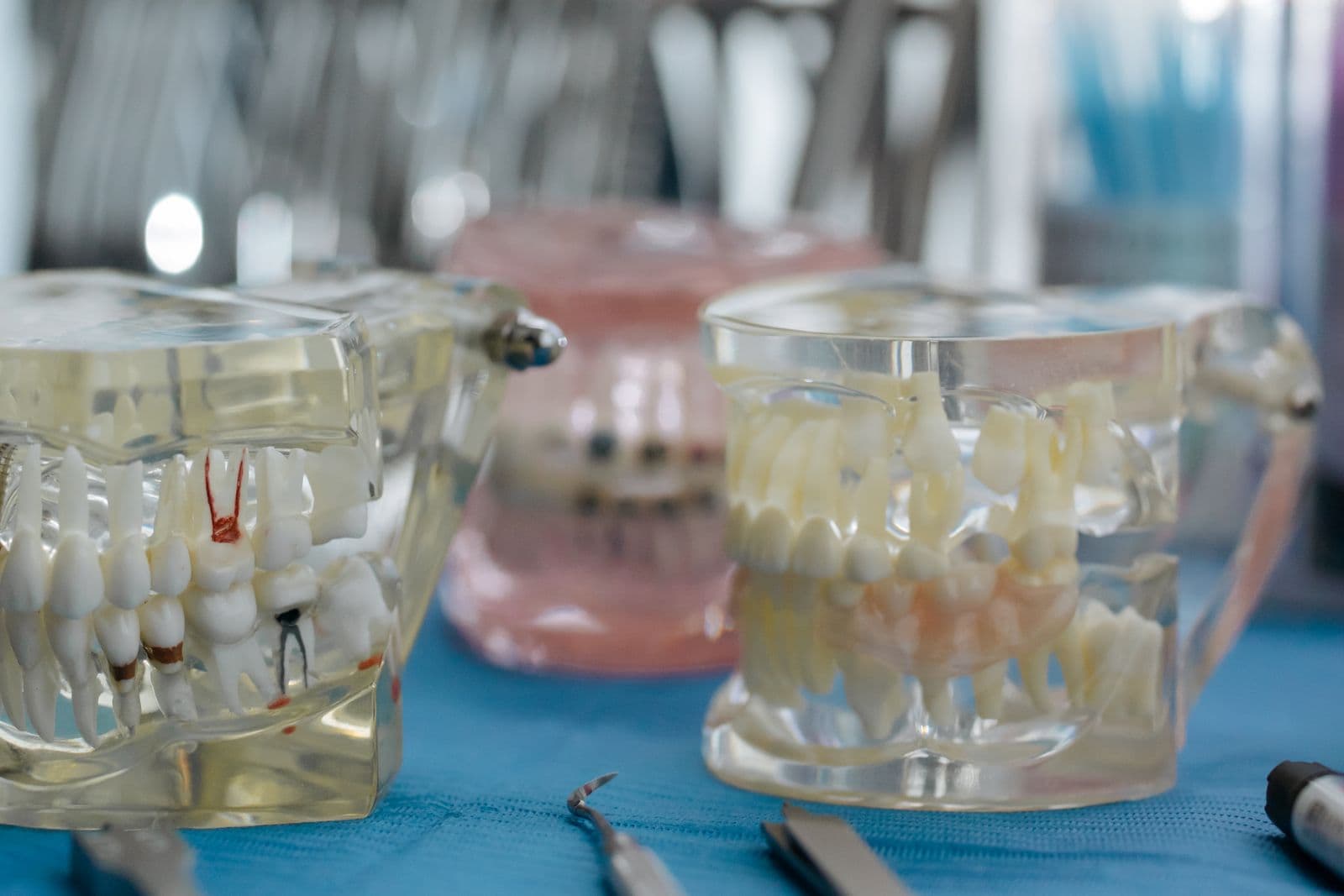
Have you noticed crowding in your child's teeth? The right time for the first orthodontic check-up, the causes of crowding, the benefits of early treatment, appliance types and braces care — all in this comprehensive family guide.
What Is a Dental Bridge? Types, Procedure Steps and Comparison with Implants
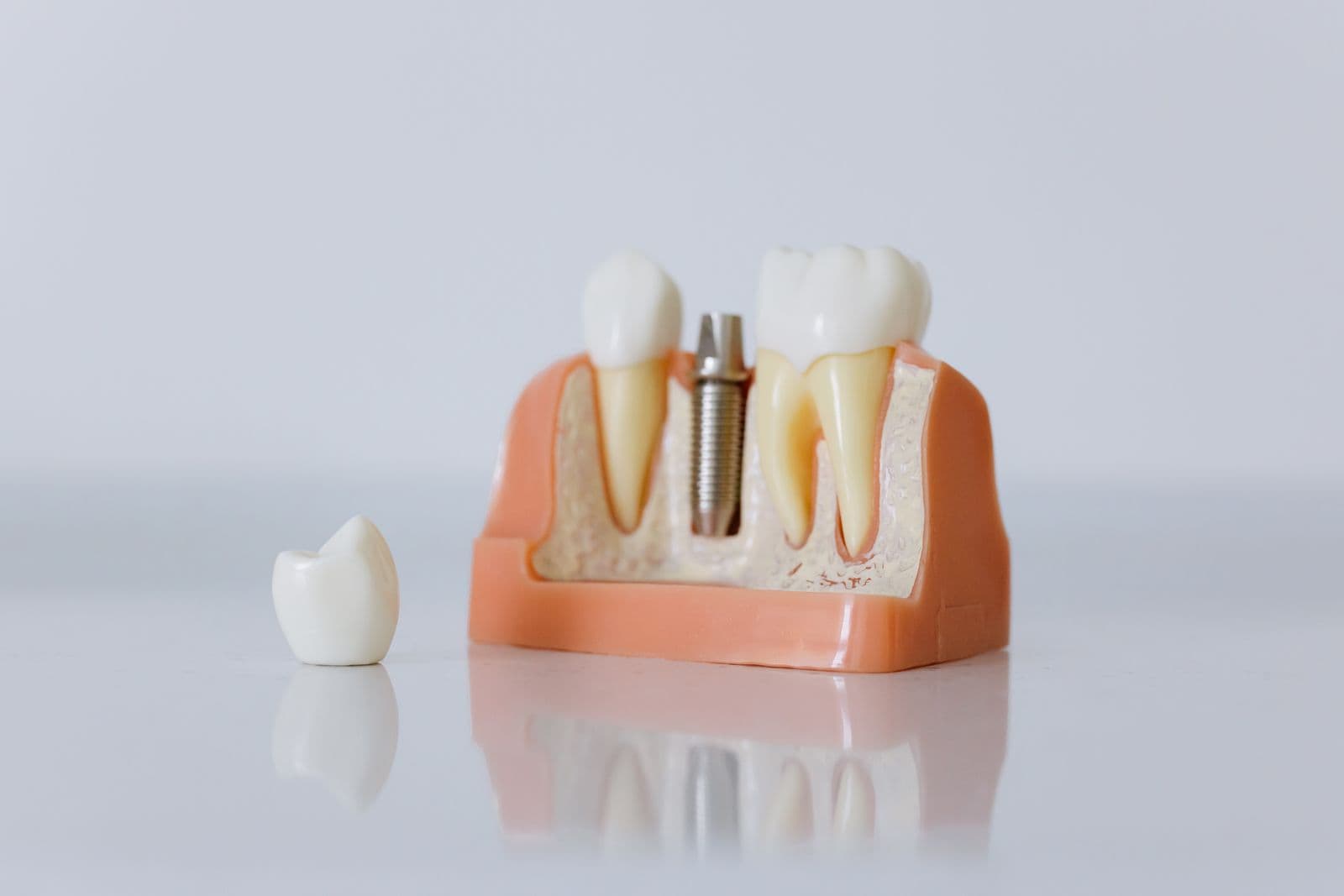
Considering a bridge or an implant for your missing teeth? In this comprehensive guide you will find the types of dental bridges, the step-by-step procedure, the finer points of cleaning under a bridge and a comparison with implants.
Are Dental X-Rays Harmful? A Guide to Radiation Doses and Safety
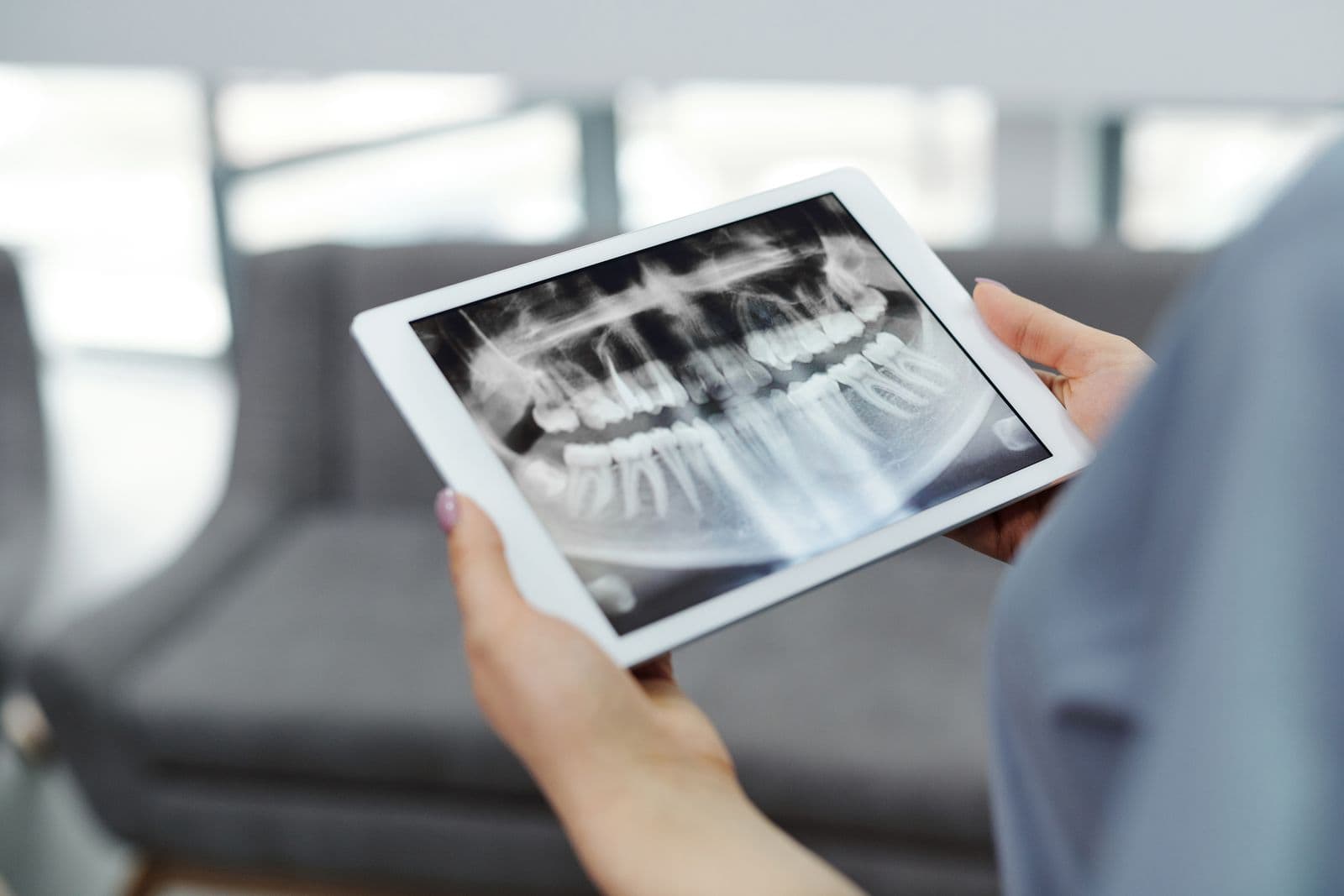
Worried about getting a dental X-ray? This guide covers the actual radiation doses of panoramic X-rays and CBCT scans, safety principles during pregnancy and childhood, and the protective measures taken in modern clinics.