

Table of Contents
When does dental care for children begin?
Oral care starts before the first tooth appears. After feeding, a baby's gums can be wiped gently with a clean, damp cloth. This simple routine reduces bacterial build-up and helps the child get used to having their mouth looked after.
The first baby teeth usually erupt between 6 and 10 months of age, starting with the lower front teeth; by around age three, all 20 primary teeth are in place. Primary teeth should never be dismissed as "temporary": they matter for chewing and speech development, and they hold space for the permanent teeth. Losing a baby tooth too early can lead to crowding problems later on.
When should a child first visit the dentist?
Current paediatric guidance recommends a first dental visit after the first tooth erupts and no later than the child's first birthday. The aim of this early visit is not treatment: the dentist assesses caries risk, checks jaw and tooth development, and advises parents on feeding and daily care.
Meeting the dentist before anything hurts helps children associate the dental chair with routine check-ups rather than fear. For most children a check-up every six months is appropriate; the exact interval is set by the dentist according to the child's individual caries risk.
Tooth brushing by age: who does what?
Brushing is a shared responsibility that gradually passes from parent to child. Until school age, parents should do most of the work; children take over step by step as their fine motor skills mature.
- 0-3 years: from the very first tooth, brush twice a day with a soft baby brush and a rice-grain-sized smear of fluoride toothpaste — the parent does the brushing.
- 3-6 years: use a pea-sized amount of fluoride toothpaste; let the child practise, then always brush again yourself to finish the job properly.
- 6-9 years: the child brushes independently but under supervision, with a parental check in the evening; start introducing floss where the teeth touch.
- 9 years and older: the child gradually takes full responsibility — twice a day for two minutes, plus regular flossing.
Is fluoride safe for children, and what does it do?
Fluoride is a naturally occurring mineral that strengthens tooth enamel against acid attacks and can help arrest early-stage decay. The protective effect of using an age-appropriate amount of fluoride toothpaste is supported by decades of scientific evidence.
In the clinic, fluoride varnish can add an extra layer of protection on top of home care. Whether varnish is needed, and how often, depends on the child's caries risk — which is why the preventive treatment plan, fluoride included, is determined through a clinical examination by the dentist.
Used in the recommended amounts, fluoride toothpaste is safe for children. The key points are that parents dispense the paste for young children and teach them to spit it out rather than swallow it. Skipping a vigorous rinse after brushing leaves a thin film of fluoride on the teeth and prolongs its protective effect.
What are fissure sealants and when are they applied?
The chewing surfaces of molars contain deep grooves called fissures. Toothbrush bristles cannot fully reach the bottom of these grooves, which is why decay so often starts there. A fissure sealant is a thin, flowable protective coating that fills the grooves — applied painlessly, without drilling the tooth.
The most important windows are around ages 6-7, when the first permanent molars erupt, and ages 11-13, when the second molars follow. Sealants are checked at routine visits and can be renewed if worn. Which teeth benefit from sealing is decided by the dentist after examining the child and assessing caries risk.
Practical tips for parents
Diet matters as much as brushing. Frequent sipping and snacking on sugary or acidic products throughout the day does more harm than the total amount consumed. Night-time bottle feeding with milk or juice is a leading cause of early childhood caries, often called "bottle caries".
- Offer cheese, yoghurt and fresh fruit or vegetables instead of sugary snacks between meals.
- After the evening brushing, allow nothing but water.
- Do not clean a dropped dummy or spoon with your own mouth — decay-causing bacteria can pass to the baby through saliva.
- Turn brushing into a game: a two-minute timer, a favourite song or a sticker chart keeps motivation high.
Questions? Get in touch
If you have questions about your child's dental development, brushing routine or preventive care such as fluoride and fissure sealants, you can reach the ADEN Dental team in Ankara by phone or WhatsApp to arrange a check-up appointment.

This content was prepared by the dental team of our clinic in Cukurambar, Ankara. Feel free to contact us with any questions about your oral and dental health.
This content is for informational purposes only; a dental examination is required for diagnosis and treatment.
Have questions? We are happy to help.
Related Articles
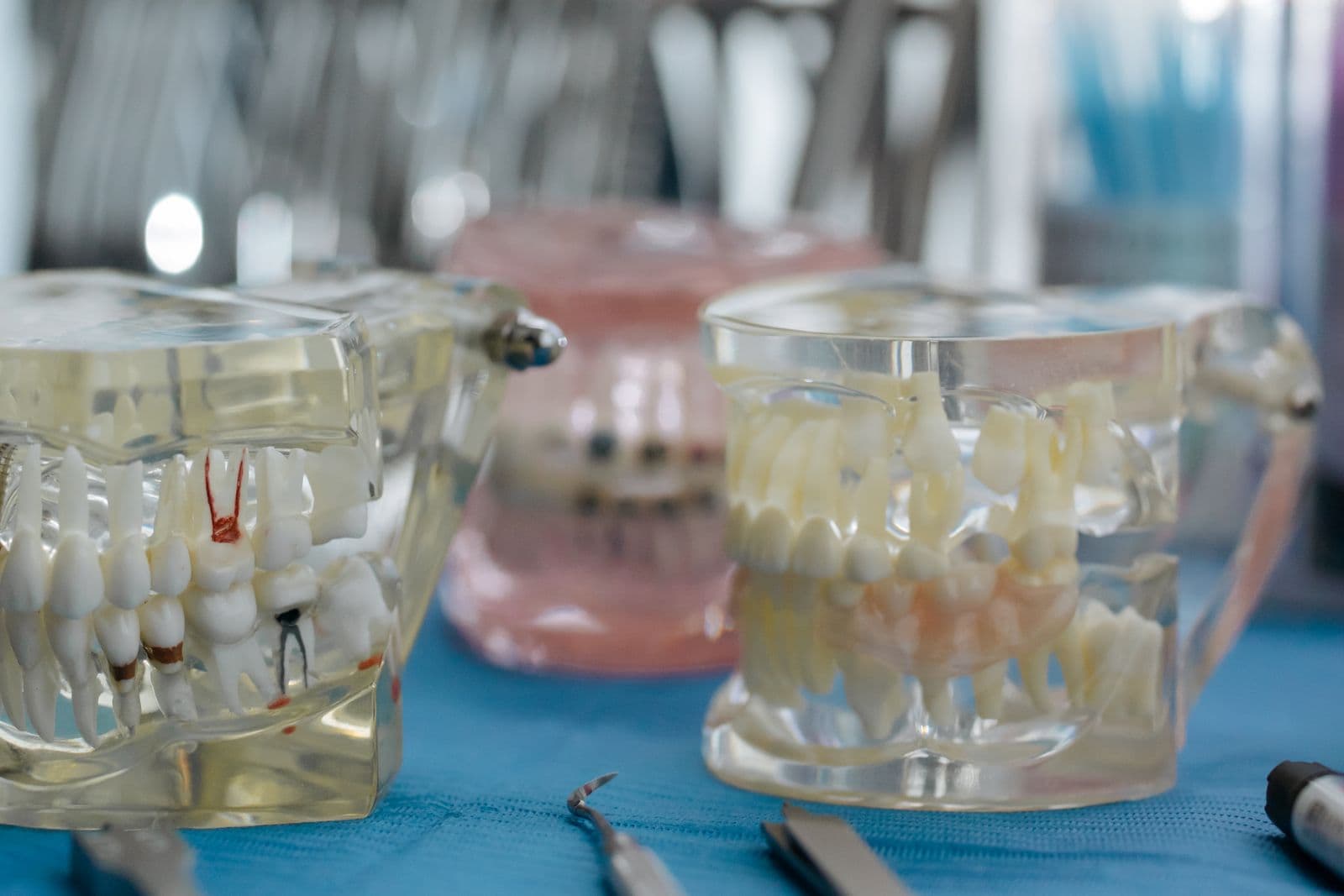
Orthodontic Treatment in Children: At What Age Are Braces Fitted?
Have you noticed crowding in your child's teeth? The right time for the first orthodontic check-up, the causes of crowding, the benefits of early treatment, appliance types and braces care — all in this comprehensive family guide.
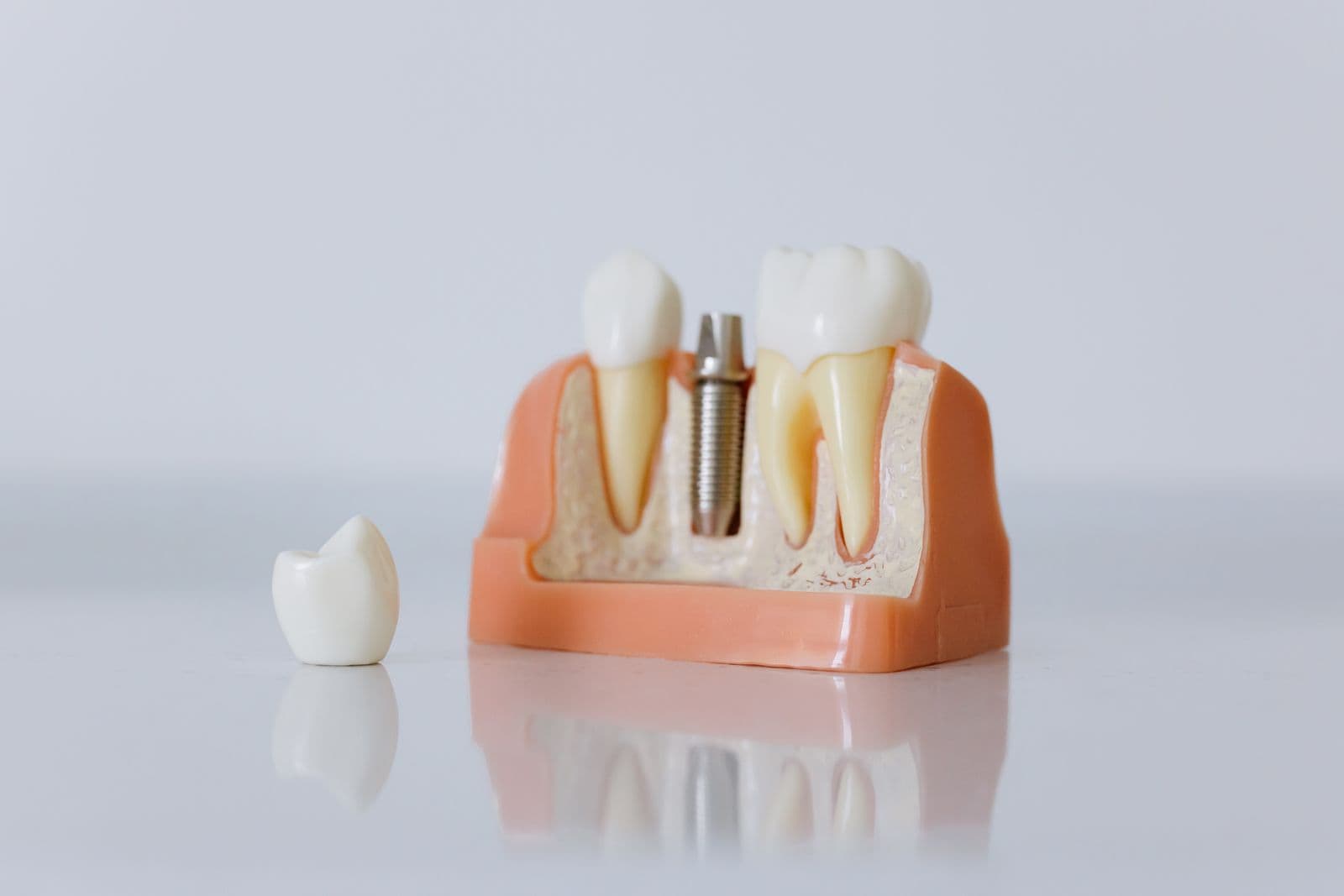
What Is a Dental Bridge? Types, Procedure Steps and Comparison with Implants
Considering a bridge or an implant for your missing teeth? In this comprehensive guide you will find the types of dental bridges, the step-by-step procedure, the finer points of cleaning under a bridge and a comparison with implants.
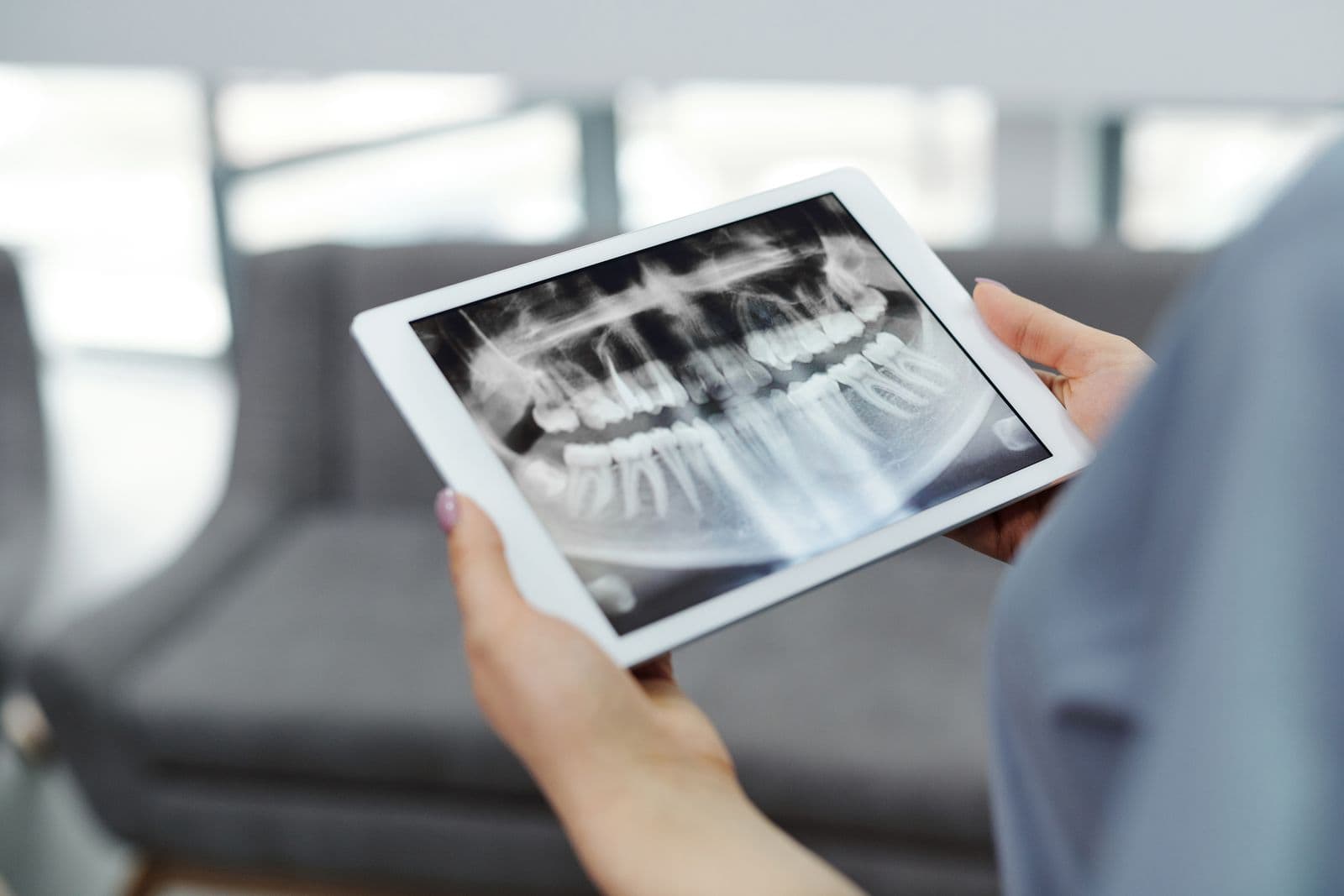
Are Dental X-Rays Harmful? A Guide to Radiation Doses and Safety
Worried about getting a dental X-ray? This guide covers the actual radiation doses of panoramic X-rays and CBCT scans, safety principles during pregnancy and childhood, and the protective measures taken in modern clinics.