
Table of Contents
- Why does the healing period matter after implant treatment?
- What should you do in the first 24 hours?
- What can you eat after implant surgery?
- How should you maintain oral hygiene during healing?
- Which symptoms mean you should contact your dentist?
- Why are follow-up appointments important?
- Questions about your recovery?
Why does the healing period matter after implant treatment?
A dental implant is a small titanium post placed in the jawbone to replace the root of a missing tooth. For the treatment to succeed, the implant must fuse with the surrounding bone — a biological process called osseointegration that usually takes several months. How you care for your mouth at home during this period plays a meaningful part in how smoothly it progresses.
After the surgical procedure, the tissues need a calm environment in which to heal. Following your dentist's instructions helps reduce the likelihood of prolonged bleeding, swelling or infection. Because every patient's situation is different, both the treatment plan and the aftercare recommendations are determined through a clinical examination by your dentist.
What should you do in the first 24 hours?
The first day after surgery is the most delicate stage of healing. A stable blood clot needs to form over the surgical site, and small mistakes — rinsing too vigorously, for example — can dislodge it and prolong bleeding.
You will usually be asked to bite gently on a gauze pad for around 30 to 45 minutes after the procedure. Slight oozing of blood mixed with saliva during the first hours is considered normal.
- Do not rinse your mouth or spit during the first 24 hours.
- Avoid hot food and drinks; choose lukewarm or cold options instead.
- Do not smoke or drink alcohol — smoking in particular can noticeably delay healing.
- Avoid drinking through a straw, as the suction can disturb the blood clot.
- Applying a cold compress to the outside of the cheek in short intervals may help limit swelling.
- Rest with your head slightly elevated on the first night and avoid strenuous physical activity.
What can you eat after implant surgery?
For the first few days, soft and lukewarm foods are the safest choice. Soups, yoghurt, mashed vegetables, scrambled eggs, well-cooked grains and anything that can be eaten with a spoon are all suitable options.
Hard, crunchy, grainy or crusty foods — nuts, crisps, seeded bread — are best avoided during the first week, as small particles can irritate the wound. Very hot, spicy or acidic foods may also disturb the surgical site.
Adequate fluids and a balanced diet support tissue repair. Unless your dentist advises otherwise, try to chew on the opposite side of your mouth while the area heals.
How should you maintain oral hygiene during healing?
Keeping the mouth clean is important for lowering the risk of infection, but the surgical area itself should be left alone for the first 24 hours. Brush your other teeth as usual, taking care to stay away from the wound.
From the second day onwards, your dentist may recommend gentle rinsing with an antiseptic mouthwash or lukewarm salt water. Brushing near the sutured area should only begin once your dentist confirms it is appropriate, using a soft-bristled brush.
Take any prescribed antibiotics, pain relief medication and mouth rinses exactly as directed, and do not stop a course of antibiotics early on your own initiative.
Which symptoms mean you should contact your dentist?
Mild pain, swelling and slight bruising are expected in the first days and usually settle within a few days to a week. The following findings, however, should be assessed by a dentist without delay:
If you notice any of these, contact your clinic rather than waiting or trying to manage the situation on your own.
- Bleeding that does not stop or increases despite steady pressure
- Severe pain that does not respond to the prescribed pain medication
- Swelling that keeps increasing after the second or third day
- Fever, a persistent bad taste or visible signs of infection
- Loosened sutures or a feeling of movement around the implant site
Why are follow-up appointments important?
Implant treatment does not end with the surgery; it is a process that relies on regular monitoring. At the first follow-up visit, the dentist checks the wound and removes sutures if needed. Later appointments are used to track how the implant is integrating with the bone.
The timing of the prosthetic stage — attaching the crown or bridge to the implant — is planned by your dentist according to how healing progresses. In the long term, a dental check-up at least once a year and regular professional cleaning help protect the tissues around the implant.
Questions about your recovery?
Healing after implant treatment varies from person to person, and the information in this article is intended as general guidance rather than a substitute for your dentist's advice. If you have questions about implant treatment or your recovery, you can reach our clinic in Çukurambar, Ankara by phone or WhatsApp and arrange an examination appointment.

This content was prepared by the dental team of our clinic in Cukurambar, Ankara. Feel free to contact us with any questions about your oral and dental health.
This content is for informational purposes only; a dental examination is required for diagnosis and treatment.
Have questions? We are happy to help.
Related Articles
Orthodontic Treatment in Children: At What Age Are Braces Fitted?
Have you noticed crowding in your child's teeth? The right time for the first orthodontic check-up, the causes of crowding, the benefits of early treatment, appliance types and braces care — all in this comprehensive family guide.
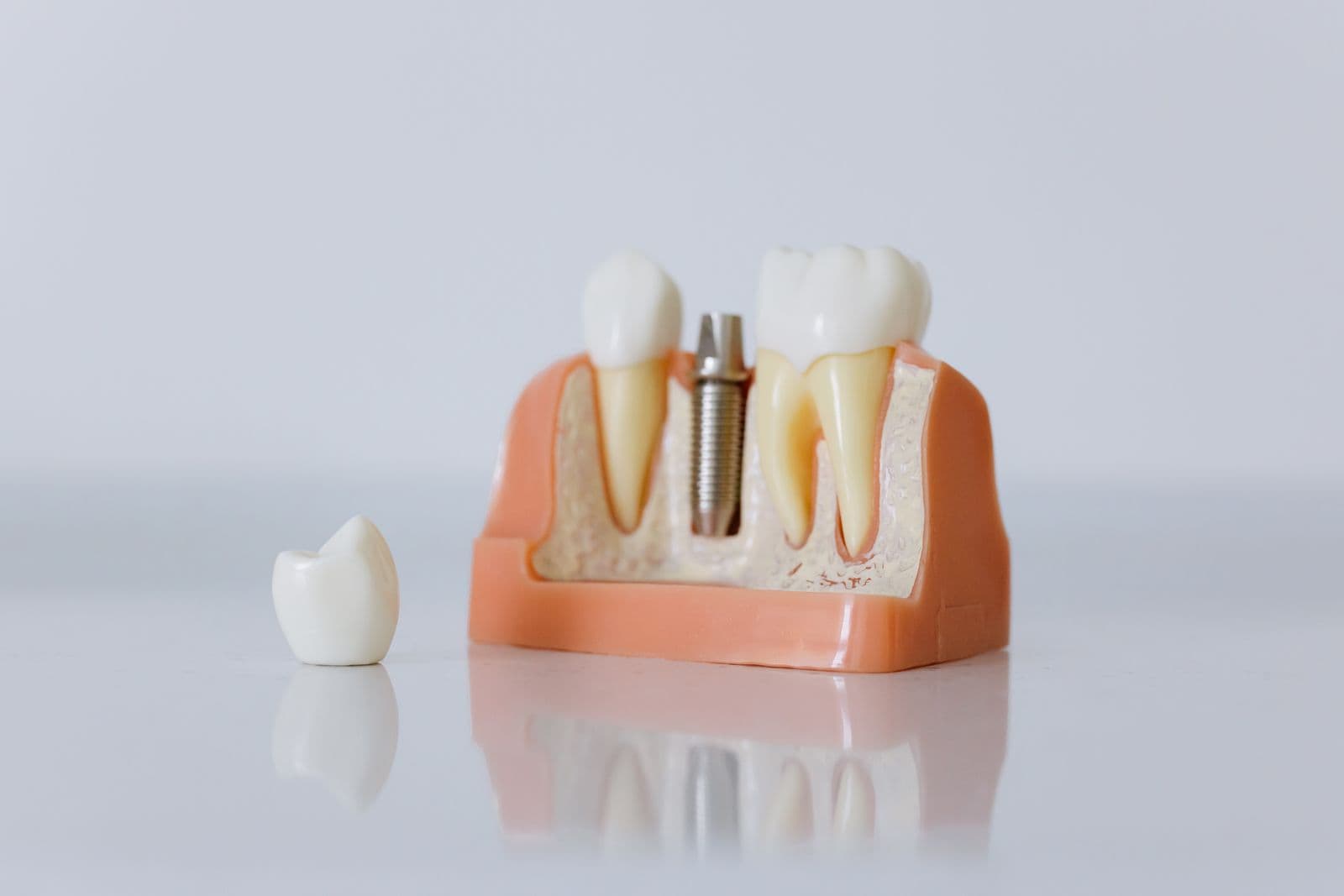
What Is a Dental Bridge? Types, Procedure Steps and Comparison with Implants
Considering a bridge or an implant for your missing teeth? In this comprehensive guide you will find the types of dental bridges, the step-by-step procedure, the finer points of cleaning under a bridge and a comparison with implants.
Are Dental X-Rays Harmful? A Guide to Radiation Doses and Safety
Worried about getting a dental X-ray? This guide covers the actual radiation doses of panoramic X-rays and CBCT scans, safety principles during pregnancy and childhood, and the protective measures taken in modern clinics.