

Table of Contents
- How Hormones Affect Your Gums: Pregnancy Gingivitis
- "You Lose a Tooth for Every Baby": Myth vs. Fact
- Which Procedures Are Possible in Each Trimester?
- Are Local Anesthesia and X-Rays Safe in Pregnancy?
- Protecting Your Enamel After Morning Sickness
- Nutrition and Dental Health During Pregnancy
- Dental Treatment While Breastfeeding
- Planning a Pregnancy? Start with a Dental Check-Up
If you develop a toothache during pregnancy, your first question is probably: "Can I be treated without harming my baby?" In most cases, the short answer is yes. Current scientific evidence shows that dental treatment performed with appropriate timing and precautions can be considered safe for both mother and baby. In fact, postponing necessary treatment often carries more risk than the treatment itself.
Pregnancy is a period of profound hormonal change, and your oral health is directly affected by it. In this article, we address the most common questions about dental treatment during pregnancy, debunk widespread myths, and explain which procedures can be performed in each trimester — all within a scientific framework. Keep in mind that this is general information: decisions about your own diagnosis and treatment can only be made after an examination by your dentist.
How Hormones Affect Your Gums: Pregnancy Gingivitis
Rising estrogen and progesterone levels increase blood flow to the gum tissue and exaggerate the inflammatory response of your gums to dental plaque. As a result, a significant proportion of expectant mothers develop what is known as pregnancy gingivitis: redness, swelling, tenderness, and bleeding when brushing. It typically becomes noticeable from around the second month and may intensify as the pregnancy progresses.
Pregnancy gingivitis can usually be controlled with good oral hygiene and professional cleaning. Left unmanaged, however, it can progress to periodontitis, a more advanced form of gum disease. Some studies suggest a possible association between untreated advanced gum disease and preterm birth or low birth weight. Bleeding gums during pregnancy should therefore never be dismissed as "normal" — they deserve a dental evaluation.
Occasionally, a benign gum growth known as a "pregnancy tumor" (pyogenic granuloma) may appear. Despite the alarming name, it has nothing to do with cancer and usually shrinks on its own after delivery; if it causes discomfort, your dentist can discuss management options with you.
"You Lose a Tooth for Every Baby": Myth vs. Fact
The old saying that every baby costs the mother a tooth is scientifically inaccurate. The calcium your baby needs for bone and tooth development is not drawn from your teeth; it comes from your diet and, when needed, from your body's bone reserves. The calcium in tooth enamel simply does not participate in the body's calcium metabolism this way.
So why is the myth so persistent? Because dental problems genuinely can increase during pregnancy — but the cause is not calcium loss. The real culprits are indirect: hormone-related gum problems, stomach acid reaching the enamel during morning sickness, more frequent snacking and carbohydrate intake, and oral care routines slipping due to fatigue or nausea. In other words, tooth loss is not an inevitable fate of pregnancy but a set of largely preventable risk factors. With consistent care and regular check-ups, it is entirely possible to complete a pregnancy without losing a single tooth.
Which Procedures Are Possible in Each Trimester?
The timing of dental treatment in pregnancy is planned according to the type and urgency of the procedure. Emergencies such as pain, swelling, or infection should be addressed promptly at any stage of pregnancy, because an uncontrolled oral infection can pose a greater risk than the treatment itself. Elective procedures, on the other hand, are usually deferred until after delivery.
The general framework can be summarized as follows — though the best plan for you emerges from a joint assessment by your obstetrician and your dentist:
- First trimester (weeks 0–13): The most intensive period of organ development. Routine check-ups, cleanings, and urgent treatments can be performed; deferrable procedures are usually postponed.
- Second trimester (weeks 14–27): Considered the most suitable window for dental work. Fillings, root canal treatment, scaling, and — if necessary — tooth extraction can be planned more comfortably.
- Third trimester (week 28 onward): Urgent treatment is still possible, but long sessions lying flat can be uncomfortable due to pressure on the main vein, so short appointments and a slightly tilted position are preferred.
- At every stage: Gum care, professional cleaning, and management of pain or infection should never be postponed.
- Elective and cosmetic procedures such as implants or whitening: Generally recommended to be scheduled after delivery.
Are Local Anesthesia and X-Rays Safe in Pregnancy?
Local anesthetics such as lidocaine have been used in dentistry for decades and have an extensive safety record in pregnancy. Organizations including the American Dental Association (ADA) and the American College of Obstetricians and Gynecologists (ACOG) state that local anesthesia is appropriate for necessary dental treatment during pregnancy. Attempting a painful procedure without anesthesia, by contrast, raises stress hormones and may be worse for both mother and baby.
The picture for X-rays is equally reassuring. Modern digital dental radiographs use extremely low radiation doses; a single digital periapical image delivers only a small fraction of the natural background radiation we are all exposed to in everyday life. The beam is also focused strictly on the mouth area, away from the abdomen. A lead apron and thyroid collar during the exposure provide an additional layer of protection.
Nevertheless, the guiding principle remains: during pregnancy, X-rays are taken only when genuinely necessary for diagnosis and treatment, based on your dentist's judgment; routine screening images can wait until after the birth. Always inform your dentist that you are pregnant — or might be — so the plan can be adjusted accordingly.
Protecting Your Enamel After Morning Sickness
Nausea and vomiting, especially common in the first trimester, are a silent threat to tooth enamel. Stomach acid can chemically erode the enamel, particularly on the back surfaces of the front teeth. Here is the most important — and most surprising — rule: do not brush your teeth immediately after vomiting. Brushing enamel that has been softened by acid accelerates the erosion.
To protect your enamel, follow these steps:
- Rinse your mouth thoroughly with water after vomiting; rinsing with a glass of water mixed with a teaspoon of baking soda helps neutralize the acid.
- Wait at least 30–60 minutes before brushing; this gives the enamel time to re-harden.
- Use a fluoride toothpaste; your dentist may also recommend a fluoride mouthwash if appropriate.
- Chewing sugar-free gum stimulates saliva flow, supporting the mouth's natural defenses.
- If nausea makes brushing difficult, try a small-headed brush and a mildly flavored toothpaste — but don't stop brushing altogether.
Nutrition and Dental Health During Pregnancy
What you eat during pregnancy affects not only your own teeth but also your baby's dental development. Your baby's primary teeth begin forming in the womb from around weeks six to eight. A diet adequate in calcium, vitamin D, phosphorus, and protein supports both your bone and dental health and the healthy development of your baby's tooth buds. Dairy products, leafy greens, eggs, and fish are valuable sources during this period.
At the same time, the increased need for snacks and cravings for sweets mean your teeth face acid attacks more often throughout the day. Choosing tooth-friendly alternatives — cheese, yogurt, raw vegetables, nuts — over sugary snacks and acidic drinks, and drinking water after any sweet treat, is a simple and effective strategy. If you snack frequently, brushing twice daily with fluoride toothpaste and daily flossing become even more important.
Dental Treatment While Breastfeeding
A frequent question after delivery is whether dental treatment is possible while breastfeeding. The good news: fillings, root canal treatment, extractions, and cleanings can all be performed during lactation. The amount of local anesthetic that passes into breast milk is negligible, and according to established references it is not expected to affect the baby; in most cases there is no need to interrupt breastfeeding after treatment.
If a painkiller or antibiotic is needed afterward, options compatible with breastfeeding are available; your dentist will decide which medication suits you, coordinating with your pediatrician if necessary. Simply telling your dentist that you are breastfeeding is enough for the medication choice to be adjusted. The breastfeeding period is also generally a suitable time for elective procedures that were postponed during pregnancy.
Planning a Pregnancy? Start with a Dental Check-Up
The most effective way to avoid dental problems during pregnancy is a comprehensive dental examination at the planning stage. Cavities can be treated, tartar removed, problematic wisdom teeth evaluated, and gum health brought to an ideal state before conception. This significantly reduces the likelihood of situations requiring urgent intervention during pregnancy.
During pregnancy itself, the ideal approach is to maintain your oral care routine and see a dentist at least once: brushing twice daily with fluoride toothpaste, daily flossing, balanced nutrition, and reporting early signs such as bleeding gums are the cornerstones of this period. At clinics such as ADEN Dental in Çukurambar, Ankara, pregnancy-specific examination planning can be coordinated with your obstetrician.
A final word: pregnancy is not a time to avoid dental treatment, but a time to care for your oral health more attentively than ever. Which procedure is performed and when depends on factors unique to you — and that decision should rest on your dentist's examination together with your obstetrician's assessment.

This content was prepared by the dental team of our clinic in Cukurambar, Ankara. Feel free to contact us with any questions about your oral and dental health.
This content is for informational purposes only; a dental examination is required for diagnosis and treatment.
Have questions? We are happy to help.
Related Articles
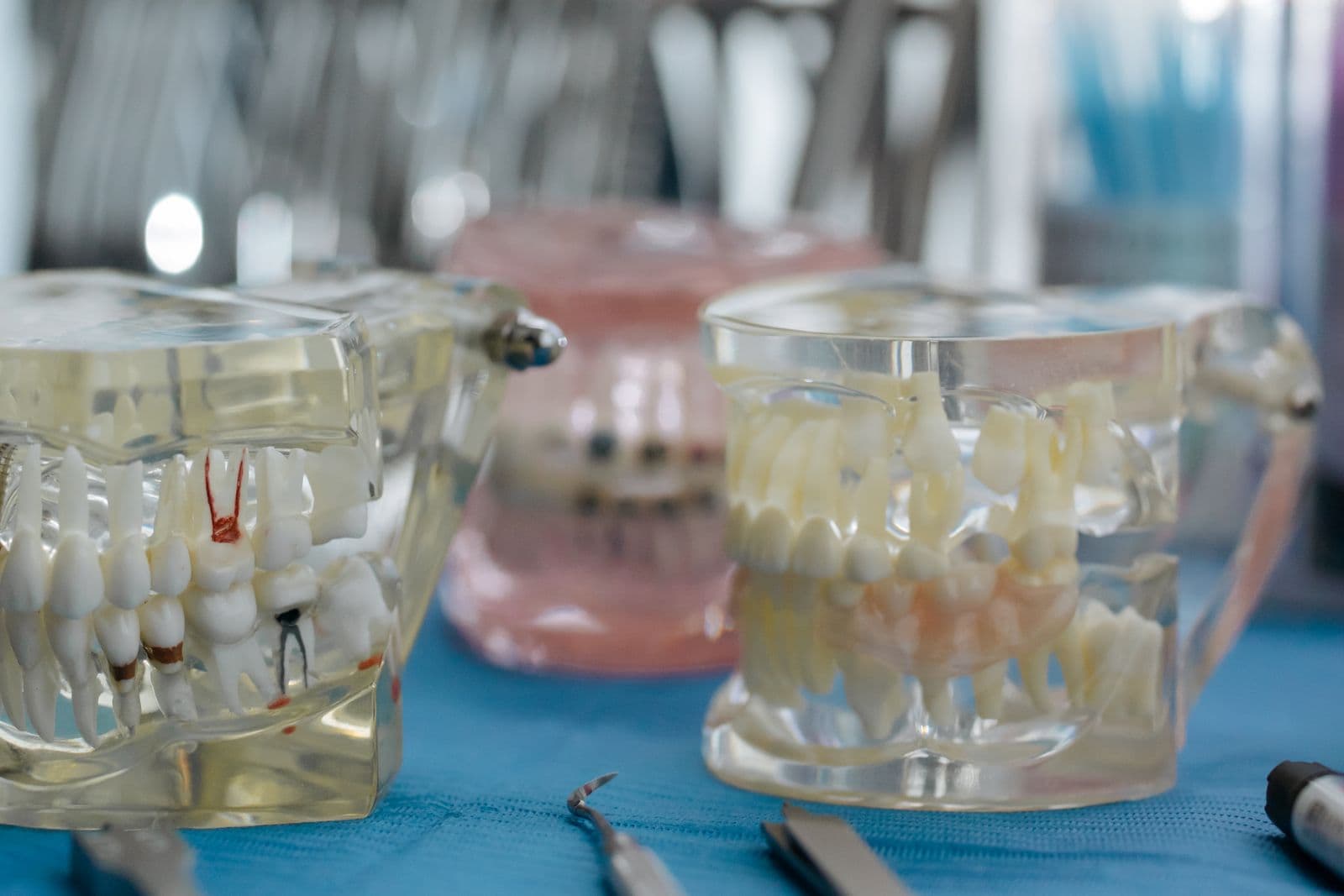
Orthodontic Treatment in Children: At What Age Are Braces Fitted?
Have you noticed crowding in your child's teeth? The right time for the first orthodontic check-up, the causes of crowding, the benefits of early treatment, appliance types and braces care — all in this comprehensive family guide.
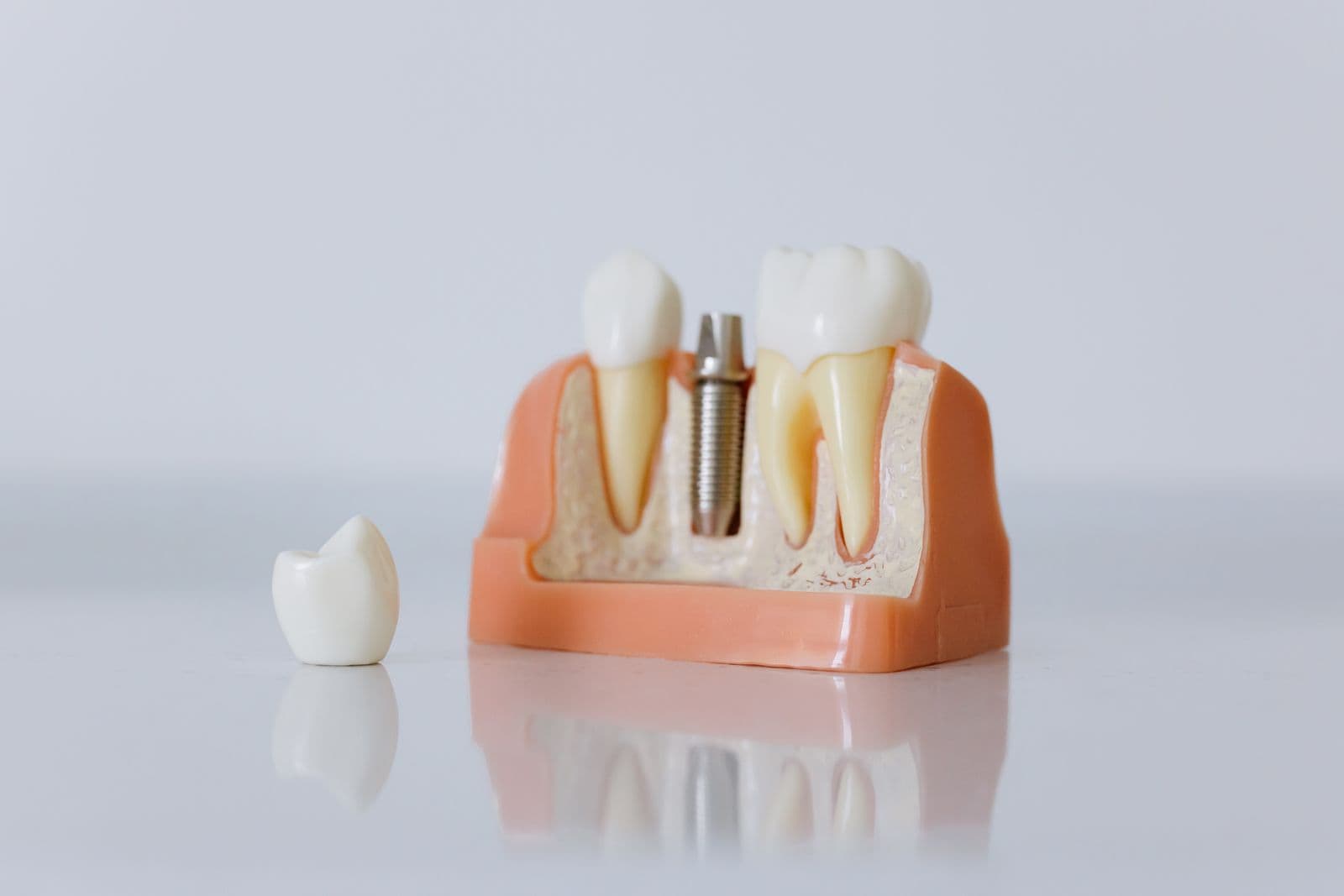
What Is a Dental Bridge? Types, Procedure Steps and Comparison with Implants
Considering a bridge or an implant for your missing teeth? In this comprehensive guide you will find the types of dental bridges, the step-by-step procedure, the finer points of cleaning under a bridge and a comparison with implants.
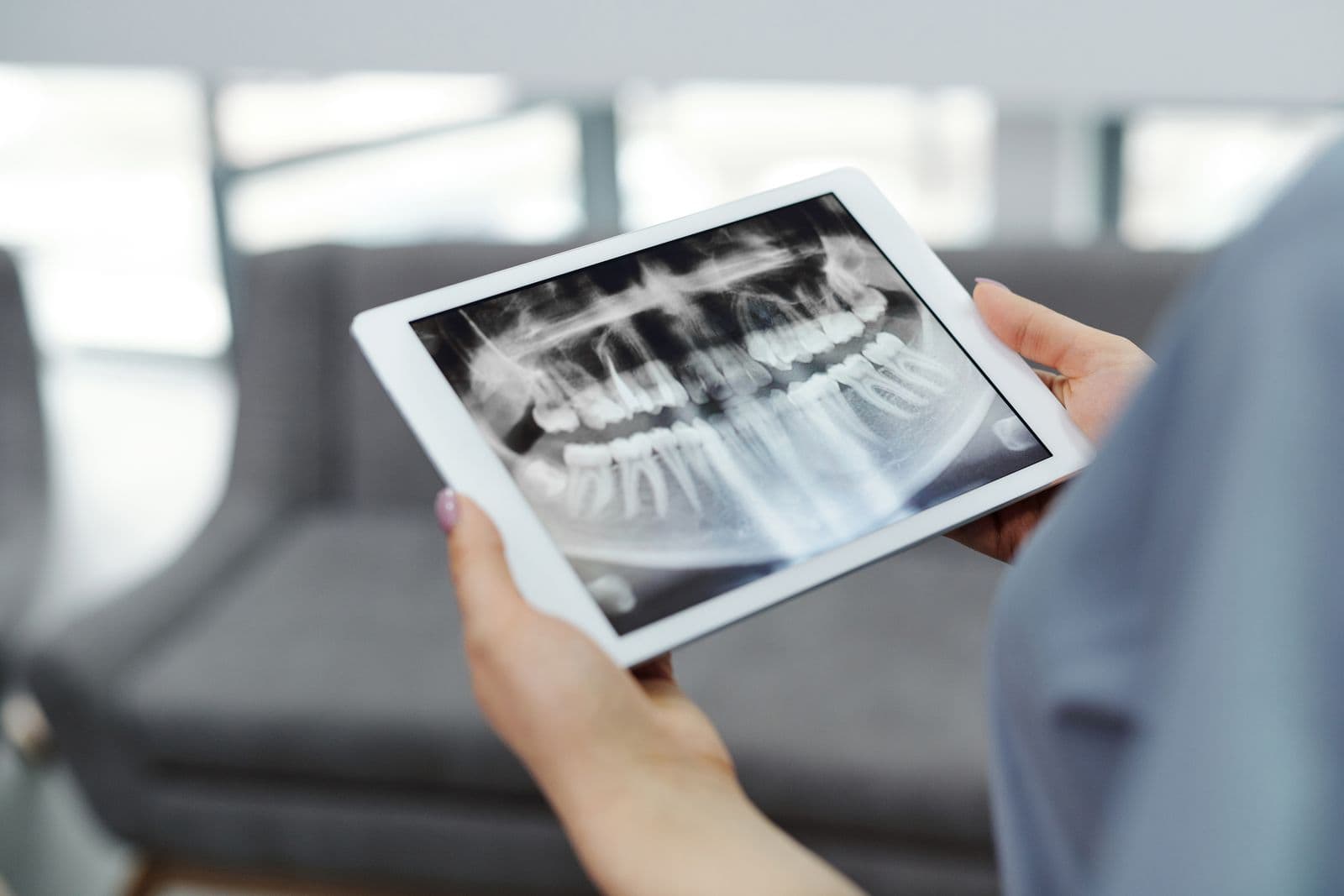
Are Dental X-Rays Harmful? A Guide to Radiation Doses and Safety
Worried about getting a dental X-ray? This guide covers the actual radiation doses of panoramic X-rays and CBCT scans, safety principles during pregnancy and childhood, and the protective measures taken in modern clinics.