
Table of Contents
What Is a Dental Implant?
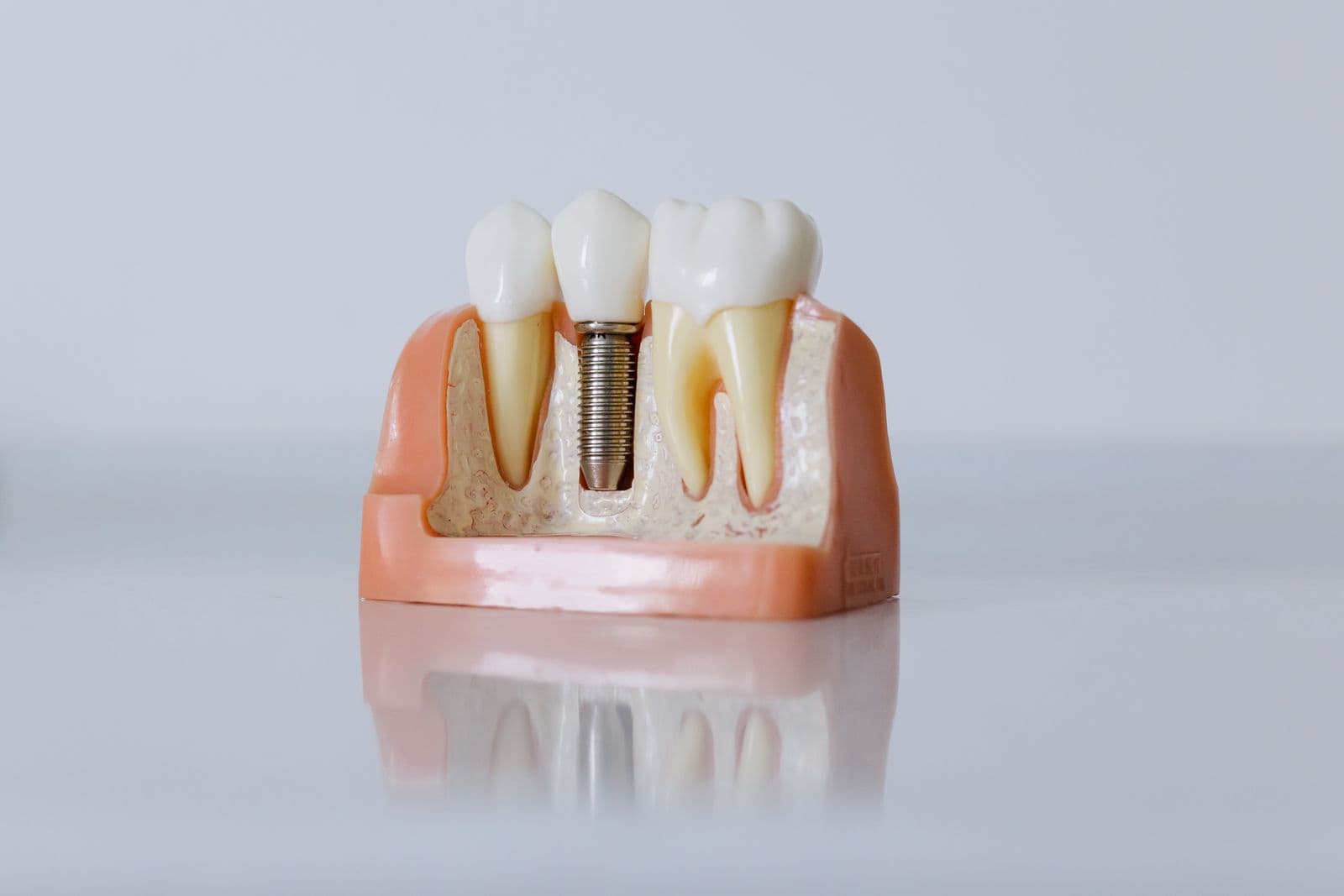
A dental implant is an artificial tooth root, usually made of titanium, that is placed into the jawbone to replace a missing tooth. Titanium is a biocompatible material, which means the surrounding bone can grow onto its surface and hold the implant firmly in place.
Once the implant has fused with the bone, a crown, bridge or implant-supported denture is attached to it. This restores chewing function and speech, with a result that looks and feels close to a natural tooth.
Unlike a conventional bridge, an implant does not require the neighbouring healthy teeth to be ground down. It can also help slow the bone loss that typically follows the loss of a tooth, which is one reason implants are widely used in modern dentistry.
Who Is Suitable for Implant Treatment?
Implants can be considered for adults whose jaw development is complete and whose general health allows a minor surgical procedure. Suitability is assessed through a clinical examination, panoramic X-rays and, where needed, three-dimensional dental tomography.
- People missing a single tooth who prefer not to involve the adjacent teeth
- People missing several teeth who are looking for a fixed restoration
- People who have lost all their teeth and struggle with removable dentures
- People who want better retention and stability for an existing denture
Are There Conditions That Can Affect Implant Planning?
Factors such as uncontrolled diabetes, certain bone disorders, previous radiotherapy to the jaw area, some medications and heavy smoking can influence how an implant is planned.
These factors do not always rule out treatment; in many cases the process can go ahead with additional precautions. Your definitive suitability and individual treatment plan are determined through a clinical examination by your dentist.
How Does the Treatment Proceed, Step by Step?
Implant treatment is not a single-visit procedure. It moves through consecutive stages: planning, surgery, healing and the prosthetic phase. The overall duration varies from person to person depending on bone structure, any additional procedures and individual healing.
- 1. Examination and planning: The dentist evaluates your mouth, reviews your medical history and uses X-rays or tomography to measure bone volume and locate anatomical structures such as nerves and sinuses. An individual plan is then prepared.
- 2. Surgical phase: The implant is placed into the jawbone under local anaesthesia; placing a single implant is usually a short procedure. If bone volume is insufficient, additional steps such as bone grafting or a sinus lift may be required.
- 3. Osseointegration: The implant is left to fuse with the bone. This healing period generally takes between two and four months, and may be longer in the upper jaw or after additional procedures.
- 4. Prosthetic phase: Once integration is complete, impressions are taken and the crown, bridge or denture is fitted onto the implant. Bite and aesthetic checks complete the treatment.
Is Implant Treatment Painful?
Because the procedure is carried out under local anaesthesia, you are not expected to feel pain while the implant is being placed. Mild tenderness after the anaesthetic wears off can usually be managed with the pain relief your dentist recommends.
In selected cases a temporary tooth can be attached on the same day as the implant (immediate loading), and for anxious patients comfort options such as sedation can be discussed. Whether these options are appropriate for you depends on the findings of your examination.
What Should You Pay Attention to During Healing?
Mild swelling and sensitivity are common in the first few days and usually settle quickly. Applying cold compresses intermittently during the first 24 hours and taking prescribed medication as directed can ease discomfort. If you notice severe pain, prolonged bleeding or fever, contact your dentist without delay.
- Choose soft, lukewarm foods for the first few days
- Avoid smoking and alcohol at least during the healing period; smoking can interfere with bone integration
- Clean around the surgical site as instructed and keep up your overall oral hygiene
- Attend all scheduled follow-up appointments
How Long Do Implants Last, and How Can You Reach Us?
With good oral hygiene and regular professional care, implants can remain functional for many years. Implants cannot decay, but the gum and bone around them can become inflamed (peri-implantitis), just like the tissues around natural teeth.
Brushing twice a day, cleaning between teeth with floss or interdental brushes and attending check-ups roughly every six months are therefore important. If you grind or clench your teeth, your dentist may recommend a night guard.
If you would like to learn more about dental implant treatment or have your own situation assessed, you can contact ADEN Dental in Çukurambar, Ankara by phone or WhatsApp to arrange an examination appointment.

This content was prepared by the dental team of our clinic in Cukurambar, Ankara. Feel free to contact us with any questions about your oral and dental health.
This content is for informational purposes only; a dental examination is required for diagnosis and treatment.
Have questions? We are happy to help.
Related Articles
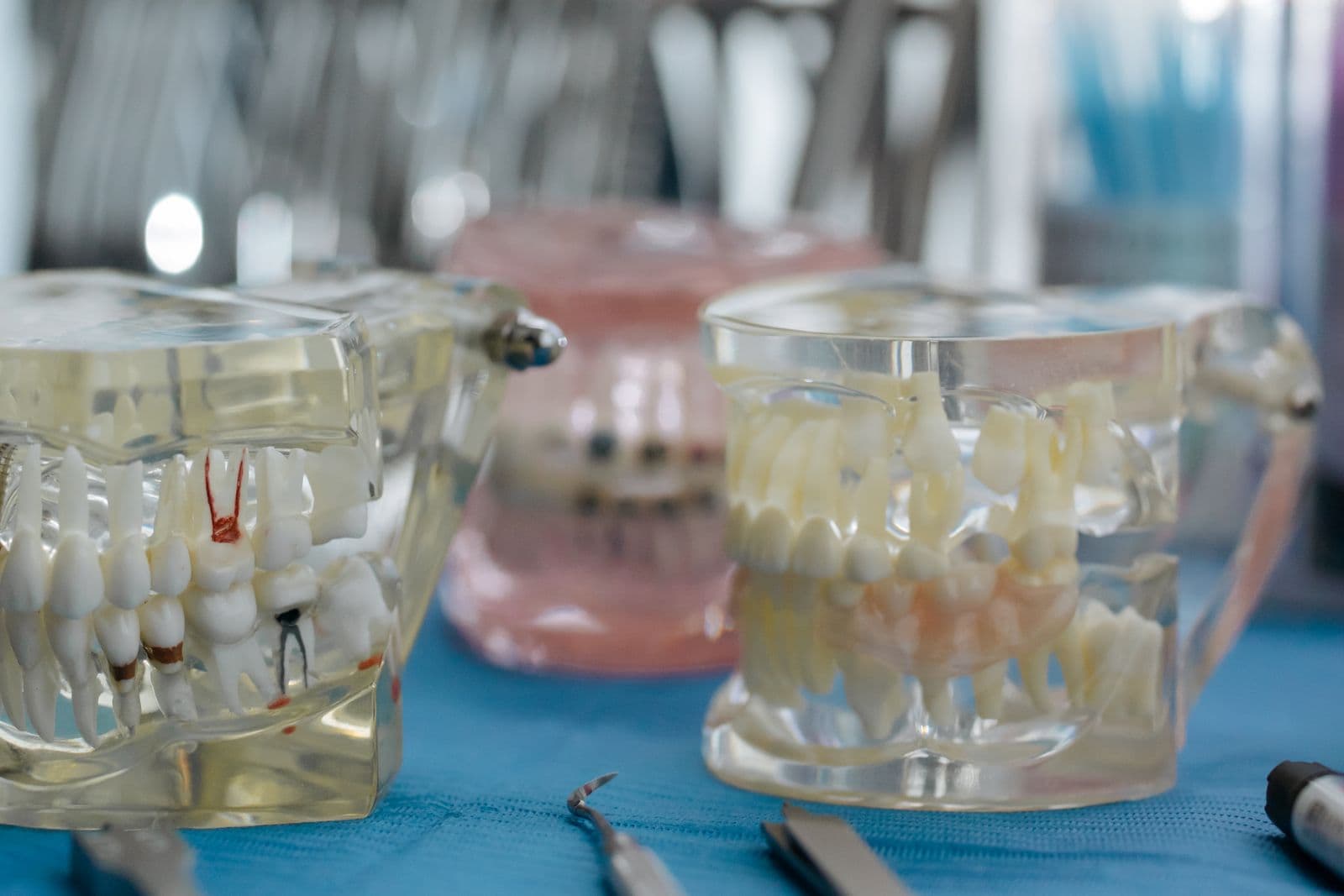
Orthodontic Treatment in Children: At What Age Are Braces Fitted?
Have you noticed crowding in your child's teeth? The right time for the first orthodontic check-up, the causes of crowding, the benefits of early treatment, appliance types and braces care — all in this comprehensive family guide.
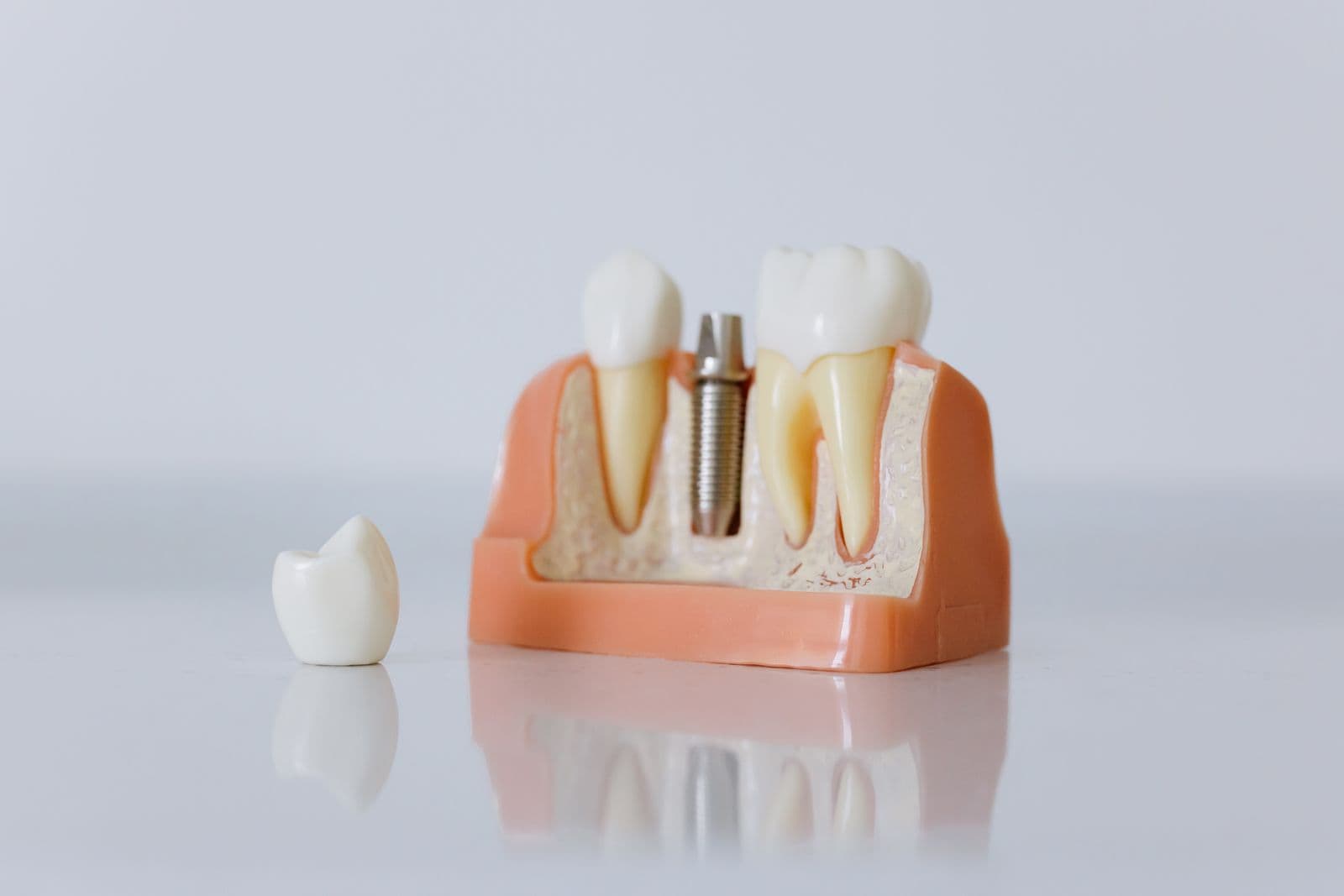
What Is a Dental Bridge? Types, Procedure Steps and Comparison with Implants
Considering a bridge or an implant for your missing teeth? In this comprehensive guide you will find the types of dental bridges, the step-by-step procedure, the finer points of cleaning under a bridge and a comparison with implants.
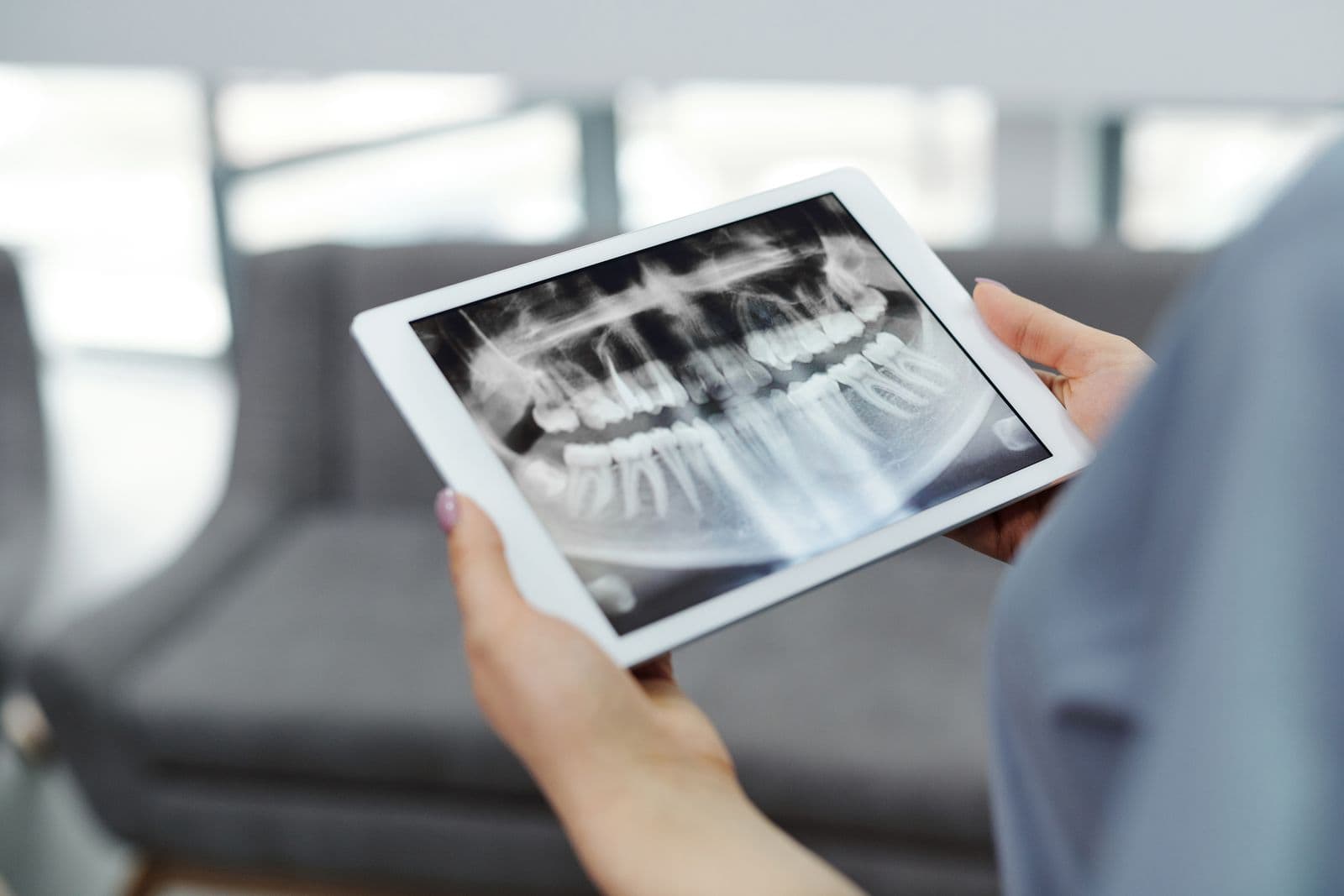
Are Dental X-Rays Harmful? A Guide to Radiation Doses and Safety
Worried about getting a dental X-ray? This guide covers the actual radiation doses of panoramic X-rays and CBCT scans, safety principles during pregnancy and childhood, and the protective measures taken in modern clinics.