
Table of Contents
- What Do All-on-4 and All-on-6 Mean?
- Who Was This Treatment Developed For?
- How It Differs from Conventional Implants and Dentures
- Candidacy Criteria and Bone Assessment
- The Treatment Process, Step by Step
- What to Expect During Healing
- Maintenance and Check-ups for Long-Term Success
- Frequently Asked: Myth or Fact?
If you have lost all your teeth, or your remaining teeth can no longer be saved, a removable denture is not your only option. Full-arch implant concepts known as All-on-4 and All-on-6 aim to rebuild an entire arch of teeth on a fixed prosthesis anchored to just four or six implants. This approach removes the need to place a separate implant for every missing tooth.
In this guide we walk through what these concepts actually mean, who they were developed for, how they differ from conventional implants and removable dentures, the candidacy criteria, each stage of treatment, the healing period, and the maintenance habits that support long-term success — so you can arrive at your consultation well informed.
What Do All-on-4 and All-on-6 Mean?
All-on-4 is based on placing four implants in an edentulous (toothless) jaw at strategic angles and screwing a fixed prosthesis carrying the full row of teeth onto them. The front implants are placed vertically, while the rear implants are tilted, allowing the available bone volume to be used as efficiently as possible. In many cases, this can reduce or avoid the need for extensive bone grafting.
All-on-6 applies the same principle with six implants. More implants distribute chewing forces across more points. Which concept is chosen depends on bone volume and density, jaw anatomy and the condition of the opposing teeth — decisions your dentist makes after a thorough assessment. All-on-6 is not simply 'better' than All-on-4; it is a different answer to different clinical conditions.
Both concepts share the same goal: full-arch rehabilitation with a fixed prosthesis that does not move, does not cover the palate, and can function close to natural teeth.
Who Was This Treatment Developed For?
Full-arch implant concepts were developed for people who have lost most or all of their teeth, or whose remaining teeth cannot be preserved due to advanced gum disease, widespread decay or trauma. Long-term denture wearers who struggle with loose prostheses, worry about slipping while speaking, or experience reduced taste because the palate is covered are also among the most common candidates.
Your dentist may consider a full-arch implant solution in situations such as:
- Complete tooth loss in one or both jaws
- Remaining teeth judged unlikely to survive long term
- Persistent retention and comfort problems with removable dentures
- Bone loss that makes placing many conventional implants difficult
- A wish for a fixed prosthesis without palatal coverage
How It Differs from Conventional Implants and Dentures
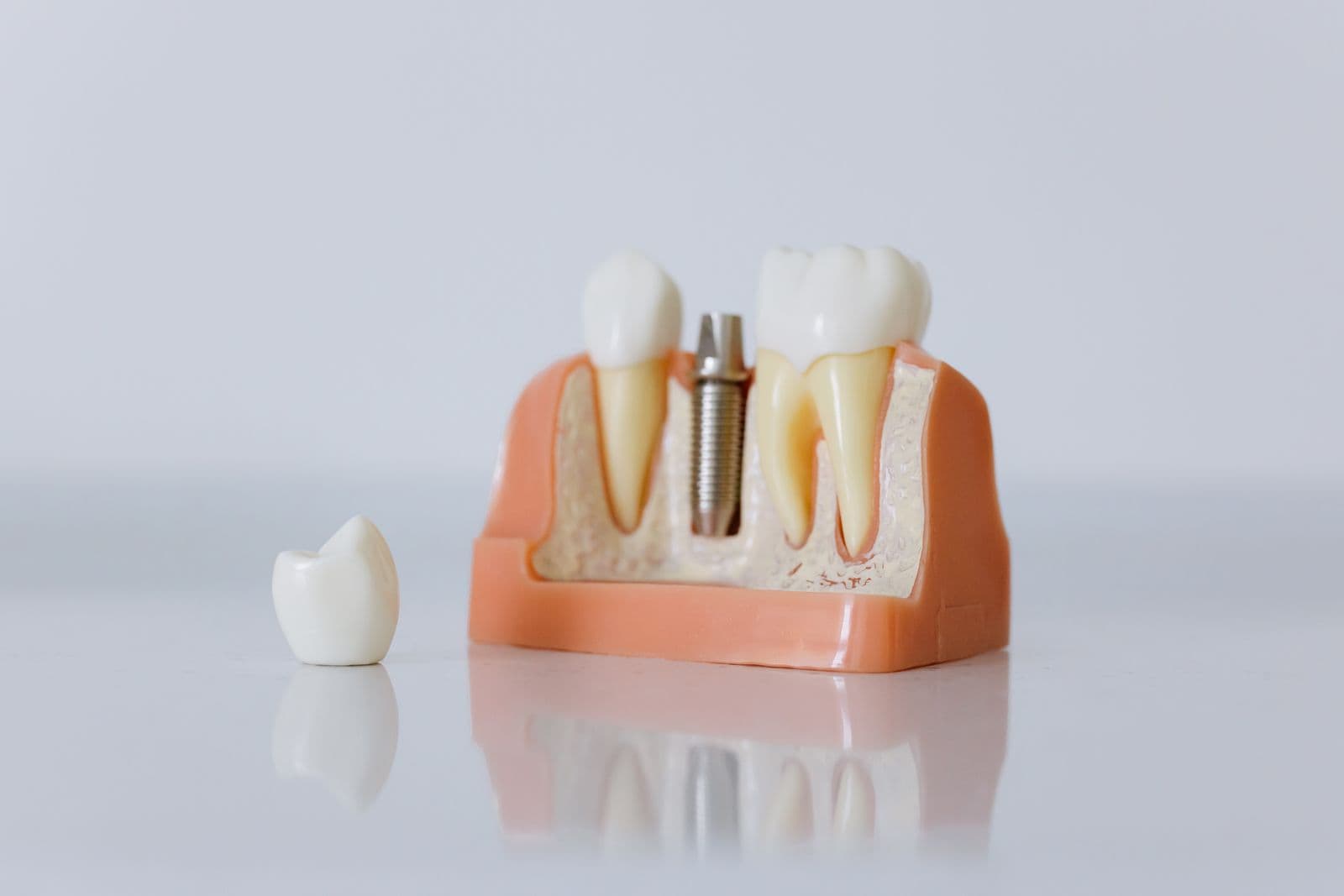
In the conventional approach, separate implants are planned for each missing area; in a fully edentulous jaw this can mean eight or more implants and, frequently, additional bone grafting procedures. All-on-4 and All-on-6, by contrast, use angled, strategically positioned implants to support the whole arch with fewer fixtures. This can simplify the surgical scope and the overall number of treatment stages — although which route is appropriate always depends on individual assessment.
Compared with a removable denture, the most obvious difference is stability: because the prosthesis is screwed onto the implants, it does not shift while eating or speaking. In the upper jaw there is no acrylic plate covering the palate, so taste and temperature perception are less affected. Since implants transmit functional load to the jawbone, they may also help slow the bone resorption that typically follows tooth loss.
Let us also address a common misconception: 'Aren't four implants too few?' Scientific literature reports high long-term success rates for fixed full-arch prostheses on four implants when planning is appropriate and patients are correctly selected. What matters most is not the number of implants alone, but sound planning, precise surgery, a well-made prosthesis and the patient's commitment to maintenance.
Candidacy Criteria and Bone Assessment
Suitability for full-arch implant treatment is determined through a detailed clinical examination and three-dimensional imaging (cone-beam computed tomography). The scan reveals the height, width and density of the bone, as well as the position of the sinus cavities and nerve canals. Based on this data, the number, size and angle of the implants can be planned digitally before surgery.
General health also plays a decisive role. Uncontrolled diabetes, certain bone medications, heavy smoking and untreated gum disease can compromise healing, so your dentist will review your medical history — where necessary together with your physician and laboratory findings. Candidacy is never decided on a single criterion.
The assessment typically covers:
- Jawbone volume and density (via CBCT imaging)
- The condition of the gums and any remaining teeth
- Systemic conditions and regular medications
- Smoking habits and oral hygiene routines
- Jaw relationship, bite and aesthetic expectations
The Treatment Process, Step by Step
During planning, the examination findings, CBCT scan, intraoral impressions and photographs are combined; the final prosthesis is designed digitally, and the surgery is planned to serve that end result. If teeth still need to be extracted, extraction can often be performed in the same session as implant placement.
In the surgical stage, the implants are placed under local anaesthesia (with sedation support if needed) in the planned positions. If the implants achieve sufficient initial stability in the bone, a screw-retained fixed provisional prosthesis can usually be fitted within 24 to 72 hours — known as 'immediate loading'. If initial stability is insufficient, your dentist may prefer to wait for healing before fitting the prosthesis; this is not a failure but a decision that respects biology.
Over roughly three to six months with the provisional prosthesis, the implants fuse with the bone (osseointegration). Once this is complete, new impressions are taken and the definitive prosthesis — in a material chosen together with your dentist, such as monolithic zirconia, titanium-reinforced ceramic or high-strength acrylic — is manufactured and screwed into place.
What to Expect During Healing
Mild swelling, bruising and discomfort are normal in the first days after surgery; with the medication your dentist recommends and cold compresses, these symptoms usually subside within a few days. Eating soft, lukewarm foods in the first weeks, avoiding smoking and using prescribed mouth rinses regularly all support healing.
The provisional phase is a 'protection period': avoiding very hard and sticky foods matters, so the bone-integration process is not disturbed. At follow-up appointments your dentist monitors healing, your bite and the fit of the prosthesis, making small adjustments where needed. Every patient heals at a different pace, so the timeline can vary from person to person.
Maintenance and Check-ups for Long-Term Success
Implants cannot decay, but the gum and bone around them can become inflamed (peri-implantitis). The longevity of a full-arch implant prosthesis therefore depends largely on daily hygiene and regular professional check-ups. Cleaning underneath the prosthesis requires different tools from cleaning natural teeth, and your dentist will recommend a personalised care routine.
Key daily-care practices include:
- Using a water flosser to clean underneath the prosthesis
- Interdental brushes and implant-friendly super floss
- Careful brushing twice a day with a soft toothbrush
- Professional check-ups and cleaning every six months, unless advised otherwise
- A night guard if you clench or grind your teeth
Frequently Asked: Myth or Fact?
'Full-arch implants cannot be done at an older age' is a myth; what matters is not chronological age but general health and bone conditions. 'Once the fixed prosthesis is in, no maintenance is needed' is equally wrong — regular care is the single most important factor determining how long the treatment lasts. And 'teeth in a day' usually refers to the provisional prosthesis; the definitive one is made after osseointegration is complete.
Please remember: the information in this article is for general education and does not replace an examination. Only your dentist can determine whether All-on-4 or All-on-6 is suitable for you, after a clinical and radiological evaluation. A comprehensive consultation with an experienced clinician can help create a plan tailored to your individual situation.

This content was prepared by the dental team of our clinic in Cukurambar, Ankara. Feel free to contact us with any questions about your oral and dental health.
This content is for informational purposes only; a dental examination is required for diagnosis and treatment.
Have questions? We are happy to help.
Related Articles
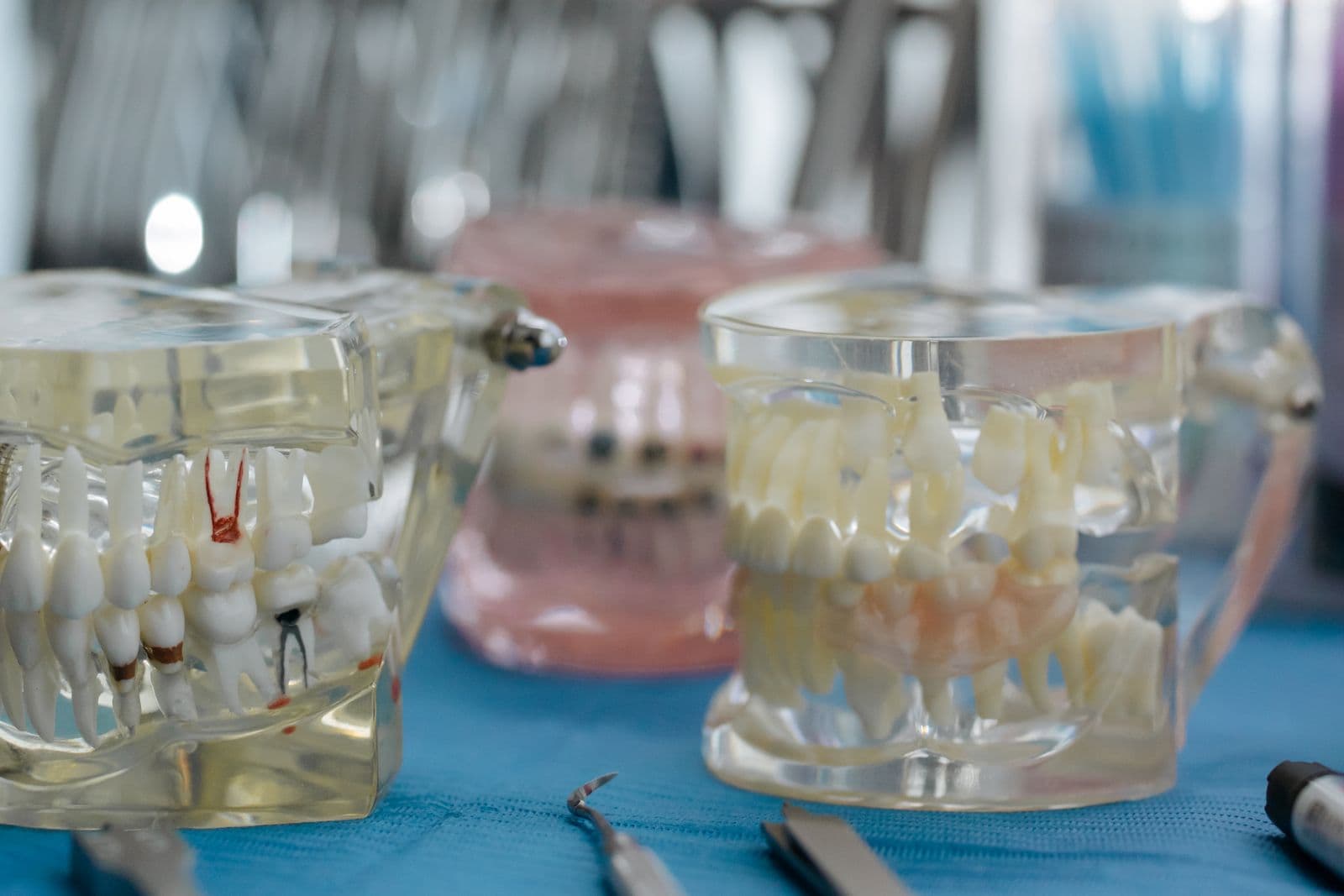
Orthodontic Treatment in Children: At What Age Are Braces Fitted?
Have you noticed crowding in your child's teeth? The right time for the first orthodontic check-up, the causes of crowding, the benefits of early treatment, appliance types and braces care — all in this comprehensive family guide.
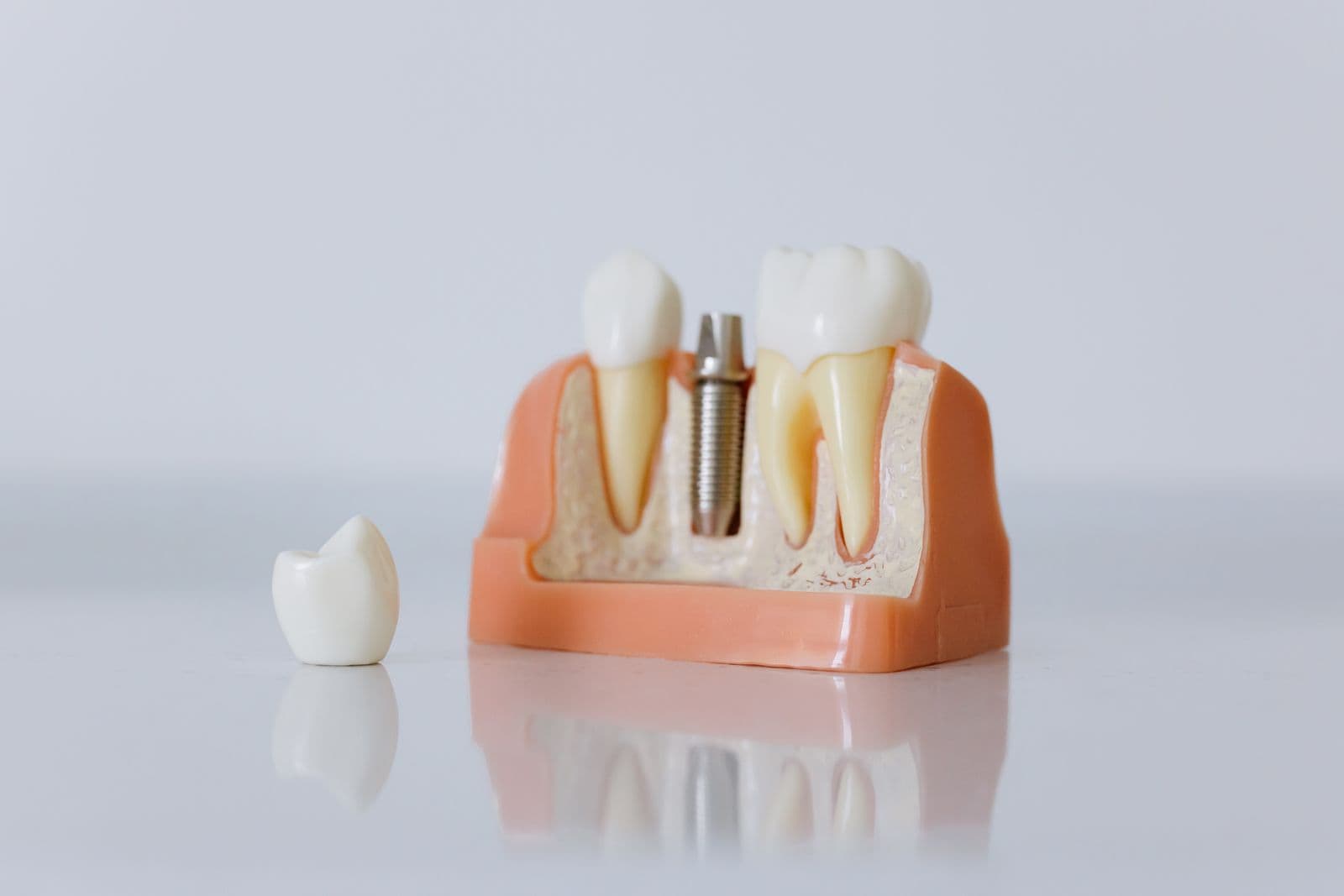
What Is a Dental Bridge? Types, Procedure Steps and Comparison with Implants
Considering a bridge or an implant for your missing teeth? In this comprehensive guide you will find the types of dental bridges, the step-by-step procedure, the finer points of cleaning under a bridge and a comparison with implants.
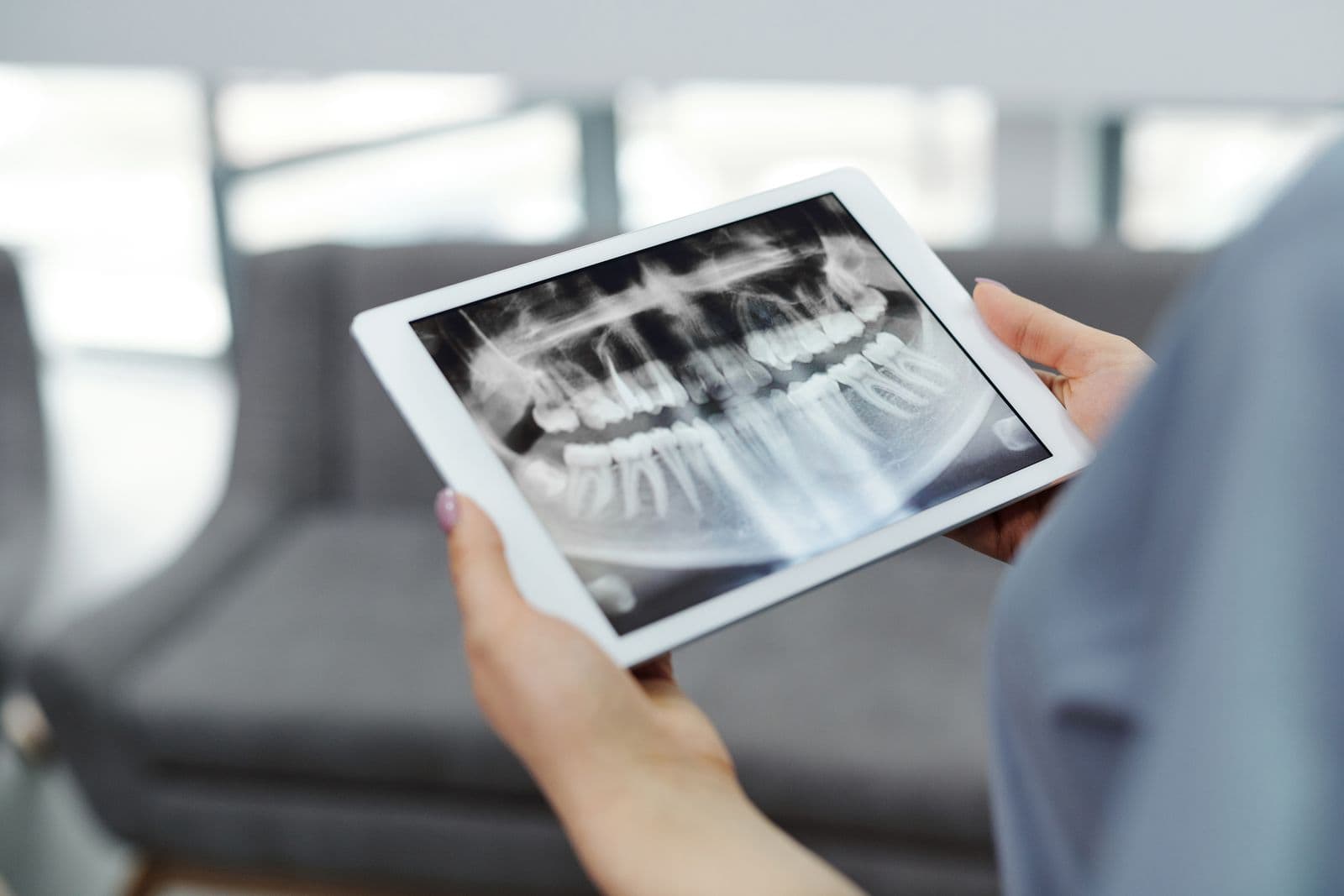
Are Dental X-Rays Harmful? A Guide to Radiation Doses and Safety
Worried about getting a dental X-ray? This guide covers the actual radiation doses of panoramic X-rays and CBCT scans, safety principles during pregnancy and childhood, and the protective measures taken in modern clinics.